News

ASA releases Annual Report 2025
ASA’s Annual Report for 2025 ensures advertising regulation in New Zealand remains effective and consistent across media platforms.

ASA’s Annual Report for 2025 ensures advertising regulation in New Zealand remains effective and consistent across media platforms.

Digital advertising now accounts for nearly three-quarters of ad spend here in Aotearoa, according to the latest figures from the ASA.

The ASA’s 2024 turnover report shows a decline in TV revenue and continued growth in digital TV spending. But the report only tells half the story, says ThinkTV.

The ASA’s latest advertising turnover report shows total digital spend was $2,422 million in the year ending 31 December 2024.

ASA says it supports a review of the Gambling Act after Google removed 22Bet ads from YouTube due to a complaint to the DIA.
As part of its regular code review process, the ASA is welcoming comment on its new draft Financial Advertising Code.

After submitting our thoughts on the new ASA influencer guidelines applicable from this week, we have had numerous conversations around the breakout table and with clients…

The Advertising Standard Authority (ASA) has released ‘Influencers AdHelp Information’ which is set to help support the identification of influencer content. There has been a lot…
The Advertising Standards Authority (ASA) is launching an advertising campaign across media platforms this week.

In the wake of the Advertising Standards Authority (ASA) launching a new Advertising Standards Code and its AdHelp service, we sit down with chief executive Hilary Souter to talk about understanding the codes, the importance of choosing the right medium and her advice for advertisers and agencies.
The Advertising Standards Authority (ASA) has launched its new AdHelp Information Service.
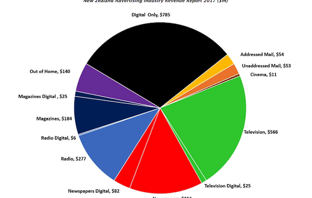
The Advertising Standards Authority have released its 2017 report on New Zealand’s advertising revenue, with digital leading the way and outdoor with a massive leap in return.
The Make New Zealand Great Again Party failed to make its advertising great again after a complaint against a sponsored Facebook post, suggesting the Labour Party was going to solve child poverty with abortion, was upheld.

Uber has been under scrutiny for its practices surrounding driver pay and licensing. Now, that anger has spilt over into its advertising, with the Advertising Standards Authority (ASA) upholding a complaint that was made against one of its billboards.
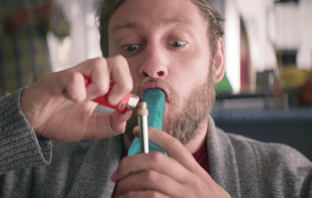
The ASA has released the country’s most complained about ads of 2016 and unsurprisingly it was racism, encouragement of illegal behaviour and inappropriate sexual content that got New Zealanders’ blood boiling.

This week, Instagram announced a new sub-header on posts specifying when a commercial relationship exists between an influencer and business. We chat to the ASA and IAB about whether this is a step in the right direction.
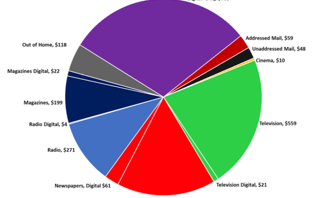
After choosing not to release advertising revenue figures last year, the Advertising Standards Authority has changed its methodology and released reports for 2015 and 2016 to show digital, in all forms, is where the growth is.
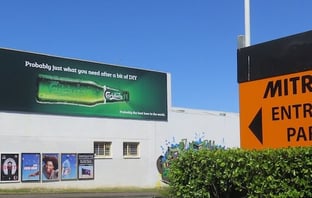
Being the best is a marketing paradox. Why bother with claiming your product is the greatest when you can create a much more unique position? Carlsberg and TBWA have done just that with a new campaign that tempts beer drinkers with the possibility of the best.

What is it with SUVs and superlatives? After StopPress covered SsangYong’s schooling on the use of ‘best’ by the ASA, we have another case of the absolutes.
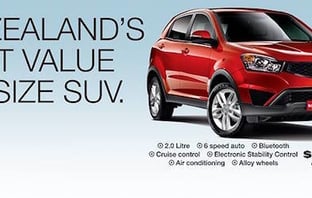
The ASA recently upheld a complaint against Ssangyong, which advertised an SUV as the “best value”. This was found to be misleading to consumers and showed little sense of social responsibility. In light of this finding, we take a look at where Ssangyong went wrong to see when advertisers can legally describe a product as ‘the best’.

Bodies, sheep, chainsaws and cars got audiences’ blood boiling last year according to the Advertising Standards Authority.

Scott Keddie shares his surprise over the ASA’s decision to not release the 2015 advertising turn over and says the results are as valuable as ever.
The ASA will not be releasing its annual ad spend figures this year, breaking the annual tradition of providing a snapshot of how the various channels performed over the course of the year. We chat to representatives from the ASA, NZME, Bauer, ANZA, the IAB, OMANZ and Think TV about what this means.

It’s been a fortnight of ups and downs for Volkswagen as its advertising has faced criticisms from the audience and compliments with a win at the AXIS Awards.
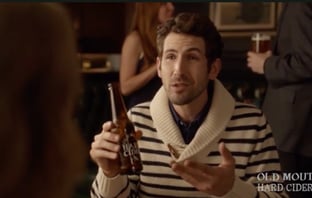
DB and Toyota recently pulled ads in social media commenters expressing concerns that the creative was inappropriate. And while this is a nod to the effectiveness of self-regulation, it’s worrying that ASA board played no part in the decision to pull these spots.

Kiwi menswear brand I Love Ugly launched its new men’s jewellery range yesterday with a lookbook that many social media users accused of objectifying women. And it’s the latest brand to feel the ire of the angry mob—and, potentially, the perverse benefits of being slammed in an era where attention has become a currency.
Brands are always pissing people off whether intentionally or unintentionally. One only need look at Hell’s Pizza’s or Tui’s advertising to know that. But as that old saying goes “There’s no such thing as bad publicity”, and in light of Burgerfuel’s billboard being taken down recently, we thought we’d look into whether that’s really true. Here are a few case studies and some insights from a PR company’s perspective.
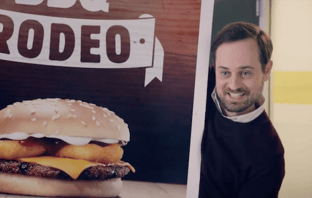
People love to complain, particularly when it comes to ads. “Why does it always become louder during the ads?”, “I hate this ad”, “I swear they screen ads longer than they used to” – are all common complaints heard around the endangered television set. The Advertising Standards Authority has released a report on the top 10 most complained about ads from last year, here’s the rundown.
The overall ad spend pie grew by 4.2 percent to $2.39 billion in 2014, according to the Advertising Standards Authority’s figures for the 12 months ended December 31. And once again it was interactive leading the charge, overtaking newspapers and getting close to TV.