Ogilvy & Mather’s executive director reckons not-for-profit organisations don’t necessarily need massive budgets to reach broad audiences. They just need to be smart when it comes to using digital channels.
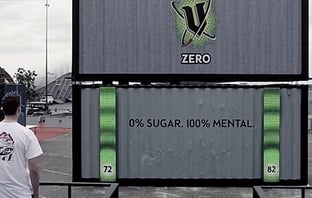

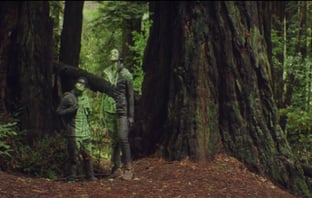
Colenso BBDO recently deployed a bit of telekinesis in a teaser campaign for V Energy. And from the outset, there were hints that V Energy (the brand that brought us the V Motion Project) was going to deliver another experiential marvel. The references to telekinesis and the chords sticking out the can seemed to allude to technology that enables users to move items with their minds. And the energy drink company lived up to promise of the teaser campaign by hosting an experiential campaign that gave Kiwis an opportunity to levitate a ship container.
Some believe the reason Australians and New Zealanders are so different is because everything in the Lucky Country is always trying to kill you. And there’s a chance you’ll get munched by something if you venture outside in a number of other countries too. Now the benefits of New Zealand’s relatively placid wildlife are being talked up to get punters along to Wellington Zoo’s new walk-through precinct ‘Meet the Locals, He Tuku Aroha’.
The Syrian conflict had raged on for so long that the Kiwi public had become numb to it. So World Vision partnered with the New
Zealand Herald to remind the public of the human side of war.
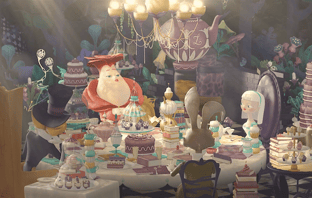
String Theory has launched yet another impressively creative short film to promote not-for-profit organisation Good Books, using production company Plenty. The result is an ethereal rendition of Alice’s Adventures in Wonderland, which is a hearty and satisfying feast for the eyeballs.
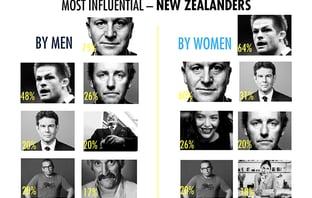
Last week, Bauer assembled media and agency types at the Auckland Museum Auditorium to deliver findings of research it has conducted on what influence means to Kiwis in the modern context. With the emergence of social media stars that have accumulated millions of followers online, the word influence has come to be synonymous with the likes of Jamie Curry, Jay Alvarrez and their ilk, and brands are rushing out to tap into the opportunities they offer. And while there is certain value in engaging with the massive audiences of these new-age characters, Bauer’s research shows that the Kiwi understanding of influence is by no means limited to kids producing grainy videos from their parents’ bedrooms.
Energy Online and Contagion got a bit of attention a few weeks back for a stunt that involved a particularly frightening doorknob. And to show that customers can sign up in under five minutes, it’s gone full bogan and helped one brave customer sign up.
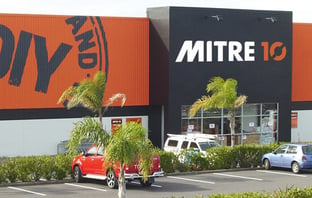
A year ago, Mitre 10’s aisles were in disarray, with a plethora of its proprietary brands scattered throughout. So, the company did what any DIY enthusiast would do and went back to the drawing board.
Whittaker’s is one of the most loved Kiwi brands on Facebook, with almost 500,000 fans—and a knack for launching new products directly to them. It’s hoping to replicate that success on Instagram. And to launch its account, it appears to have invited the chocolate whisperer back into its midst.
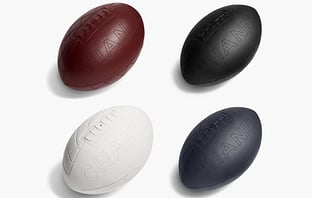
Sick of tossing around that crusty old Gilbert? Feel like you deserve the best in life? Want to celebrate an All Blacks victory with that special something? Then you need some Chanel rugby balls.
Industry happenings at NZ Herald, IAB NZ, Cuisine magazine, TRA, Group M, Hunch and Hypermedia.
Hands together for Hell Pizza, Eastern Bay of Plenty Road Safety, Good Books and Kathmandu.
In conjunction with News Works, the Up Country series talks with some of New Zealand’s top regional newspaper editors about the performance of their titles in print and online, the role local news plays in regional communities, where they see the industry going and why advertisers should stick with them. Next up, Victoria Guild, editor of the Nelson Mail.
What might at first seem like a familiar creative challenge often requires a different solution to the one used before, writes Brian Slade. And that is certainly the case for city identities.
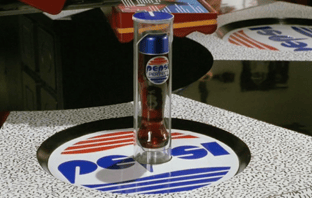
In two days it will be the 30th anniversary of Marty and Doc’s journey from the 1980’s to 2015. And to celebrate Pepsi is releasing a limited run of Pepsi Perfect, the futuristic looking Pepsi bottle in the second instalment of the Back to the Future films, while Toyota has released a car based on the fuel cell technology of the DeLorean.
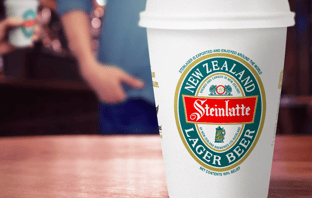
Steinlager has gone to an extra effort to ensure rugby fans get up early to watch the game (and perhaps crack open a few Steinys later), by introducing the ‘Steinlatte’.
Motion Sickness Studio launched a unique start-up initiative last week called ‘MSS Startups’, geared towards younger prospective clients, which will see the studio trading its services for equity, a move founder Sam Stuchbury says was a pretty natural step to take. Here’s a look at the new service and how it all works.
Paul Catmur on the difficulty advertisers face in the fickle digital age to compete with all the cats, celebrities and Blackburn self-pleasurers out there.
Sam Forrest has quickly moved up the ranks at Frucor, establishing himself as one of the most promising performers in the industry. And if the last 20 months are anything to go by, there will be more to come from this young tyro.
When we asked Spark back in September if its creative account was up for pitch, a spokesperson said no, but said a group of agencies was working on a brand project and they were asked to come back with ideas on a specific problem. But it’s thought that pitch process was much bigger than a project, and Shine appears to be the first to benefit from it.
In the third instalment of a series created in conjunction with the MPA that shows how some of the winners from this year’s Magazine Media Awards are adapting to the modern era and helping advertisers grow their businesses, Holly Bagge talks to the brains behind the winners of the Best Brand Community category, New Zealand Geographic and Dish.
Our weekly wrap of good things, strange things, funny things and other things from inside the intertubes.
When Vodafone launched the Piggy Sue campaign earlier this year, the response from the public was generally good, with Kiwi viewers enjoying the story of the lost pig and her adventure with the big-hearted courier driver. And it seems this story also pulled at the heartstrings of a few people in the international market, because Vodafone Ireland has just released its own scene-by-scene remake of the Piggy-Sue campaign.
In an effort to hold politicians accountable to their promises, a cheeky Canadian tattoo parlour called MTL has launched a campaign offering a free tattoo to politicians willing to ink their campaign promises to their flesh.
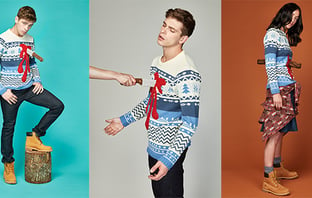
For the launch of the second season of hit TV series Fargo, Neon has launched a hilarious campaign that brings together Mid-Western sweater fashion with the largely unexpected horrors that take place in the show. Called Fargo Woollens, the campaign features a collection of actual sweaters, which have been made specifically for promotional push. The products stay true to the ugly sweater style that is often celebrated by American families during Christmas time, but the design also feature gory elements in the shape of gashes, knife wounds and cleaver assaults.
After around five years as editor of Metro, Simon Wilson recently sent his final issue off to the printers and stepped into a new role where he aims to do more writing and less wrangling. And he signed off with an editorial that editors—and advertisers—could all learn something from.
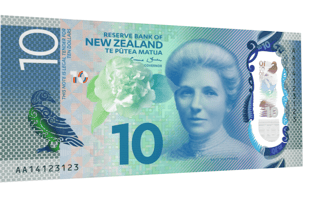
The Reserve Bank of New Zealand launched a swanky, interactive website built by FCB to show off New Zealand’s new bank notes. But, it’s more than just a website, it’s also the centre of a wider campaign around the roll out of our new paper (or rather, plastic) which spans over several other mediums.
Whether it’s ‘natural’, ‘supports’, ‘may’, ‘favourite’, ‘leading’ or ‘from’, the wording in ads is often suitably vague, makes claims that can’t really be disproven and regularly embraces the art of omission. Guaranteed is generally not a word placed in that category, so we couldn’t help but notice a fairly bold claim in a Vodafone ad in the business section of today’s Herald that talked up the benefits of getting a new phone.
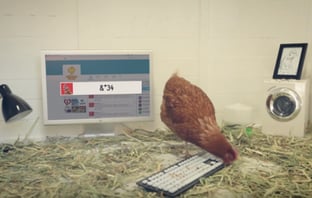
Australian fast food chain Chicken Treat has handed its social media account to an actual chicken named Betty. But this isn’t the usual automated tweet approach. Instead, Chicken Treat has put a keyboard in a chicken’s coop and allows the chicken to peck away at whatever keys it chooses. And from the absolute gibberish that has been tweeted thus far, it’s evident that this chicken is not gifted in the literary arts.
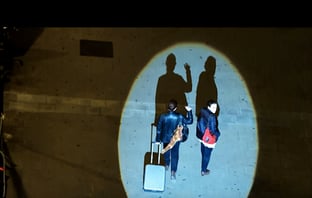
To draw attention to the tech underpinning the headlights of its new A4 model, Audi has launched an innovative piece of outdoor advertising that picks up on pedestrians and illuminates them while they are crossing the road. In addition to illustrating the mobility of the lights in the system, the activation also serves make those crossing the road more visible when the streets are dark.