News


TVCs of the week: 25 August
Sky TV, DB Export, Lumino the Dentists and Lotto NZ snatch the honours this week.

Sky TV, DB Export, Lumino the Dentists and Lotto NZ snatch the honours this week.
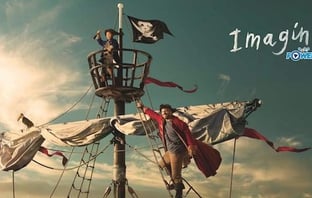
Lotto Powerball’s poignant tale about a boy’s relationship with his father has pulled at the heartstrings of enough Kiwis to earn the spot Colmar Brunton’s Ad Impact award for last month.
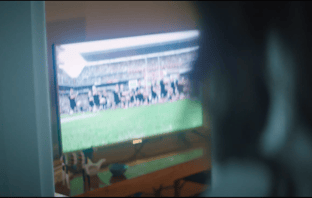
Many of us have experienced late night/early morning sports games, either first hand or by association: the blue light flooding in from under the bedroom door, the sound of a crowd cheering, an enthusiastic commentator, and finally, the more familiar yell of a relative or friend who pretends the television screen is some kind portal by where the little men or women running on the field can hear them. Though these sounds should be obnoxious to anyone trying to sleep, much like heavy rain on a tin roof they are weirdly soothing. Sky TV has channelled this nocturnal nature of dedicated sports fans with its latest ads, made with DDB and Robber’s Dog, which promote its round the clock sports coverage of the upcoming Rugby World Cup 2015, and the lengths fans go to, to make sure they’re supporting their team.
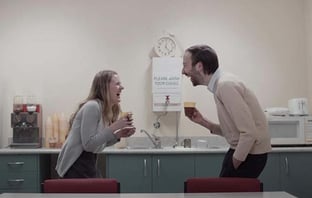
There was intellectual dissection, there were furrowed brows, there were plates of calamari (hopefully the kind from the sea), there were big jugs of beer, there were raised voices, there were occasional bouts of physical violence and, eventually, there was quorum as a panel of esteemed judges chose New World and Colenso BBDO’s rather fruity Fruit and Vege Pro as the victor in the StopPress/MediaWorks TVC of the Year, with Vodafone’s Piggy Sue and Sky’s Murmuration second and third. PLUS: other category winners for craft, degree of difficulty and clever use of TV.
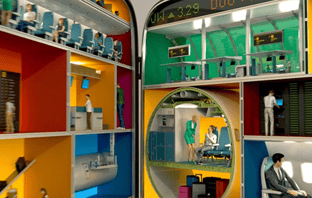
As Paul Catmur wrote last year, the marketing bit often seems to be forgotten in the world of digital marketing. But here are a few that combined the two and were deemed worthy of a place in the interactive marketing category at the Best Awards.
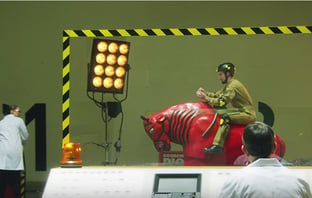
For the relaunch of the McRib, Mcdonald’s went down a slightly crazy path by featuring a passionate individual dancing as a bucket of thick sauce was emptied out on his head. While the clip was unappetiwing at best and downright disturbing at worst, it was memorable and a definite improvement on the usual fast-food launch approach of showcasing carefully constructed burgers in the ideal light from the best possible angle. McDonald’s clearly sees value in the quirkiness, because the brand has now followed on from the McRib launch with an equally outrageous (and messy) spot that features a human guinea pig comparing the newly launched butter chicken Georgie Pie to its pastry-free alternative.
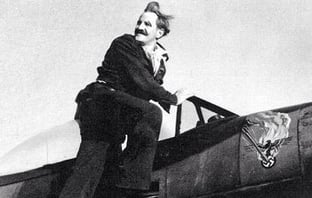
After a short chat with his war veteran grandfather, DDB chief creative officer Damon Stapleton was reminded of how powerful simple language can be.
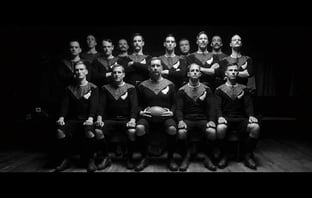
Steinlager’s ‘We believe’ campaign in 2011 is rightfully held up as a brilliant example of sponsorship activation (and, given the All Black sponsor cleverly found a way to reference a tournament it wasn’t officially allowed to mention, impressive loophole management). Because it captured the nation’s imagination, became a “talisman of belief” and helped reverse Steinlager’s declining share of the premium beer market, it was always going to be a hard act to follow, but as the All Blacks get set to defend the RWC trophy in England soon, the long-time sponsor has brought the white can back again and made a connection between this European tour and another one that took place 110 years ago.
Agencies have many ways of wooing clients. They wine and dine them. They try to win awards. They send out press releases to trade media. They try to destabilise the incumbents. They invest in fancy offices to create the perception of success should they visit. And they also show off their work, their strategy and their talent to online visitors. The agency website is basically a digital shopfront and it’s often seen as an indication of the type of work it might be able to do for clients. Many agencies are guilty of creating boring and/or unfunctional sites and regularly slipping into cliche. But there are some good ones out there. So here are a few of our local favourites.
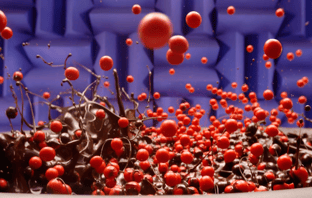
We’re sure by now many must be aware of Cadbury’s new fusion with its other product offering, Jaffas, as the new chocolate currently appears to be advertised in every supermarket aisle. And now a new TVC has been released by DDB promoting the chocolate which shows the mixing of the two products, but not in the way you might expect.
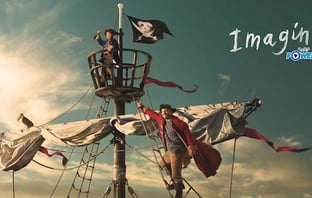
After enlisting the help of a bearded serial high-fiver in its last campaign, Lotto Powerball and DDB have taken a rather serious and sombre approach this time, telling a story of hope, love and freedom through the relationship between a young boy, his grandfather and his hardworking father.
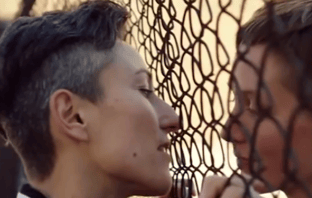
Advertising can be a bit like a mirror, or perhaps more like the Mirror of Erised (cue cheesy reference) from Harry Potter where an idealised version of ourselves is reflected back at us. When targeted well it can be so pervasive that we come to think of advertising scenarios as being normal “Of course I should be wearing those shoes”, “Clearly I need that marble bench top in my kitchen”. Advertisers try to reflect our relationships too, marketing to couples and families. But wouldn’t it be strange to see advertising bypass us, for us to see ads embodying relationships or representations of people that don’t reflect our reality. For the reported 10 to 15 percent of New Zealanders that make up our LGBT community, it has been like this for a long time. But things are changing, the world is slowly but surely progressing, and so is the advertising world along with it. Here are a few examples of advertising that includes this community, and why it would be of interest for advertisers to continue doing so, particularly in light of gay marriage increasingly becoming legalised in more countries.

Following the recent announcement that Sky TV had signed a long-term deal with The Walt Disney Company to add the Sky Movies Disney channel to its programming portfolio, the broadcaster released a short online video showing that the fairies, genies and flying nannies that typify the Disney experience had arrived in New Zealand.

Results for the Promo and Activation, Direct, Press, and Mobile Lions categories came out overnight, and there a few Kiwi winners in the mix. The New Zealand contingent picked up gongs in each of the categories listed, but the only Kiwi gold came in the Press category for Colenso BBDO’s ‘Breast Cream’ campaign developed for Skinfoods and the NZ Breast Cancer Foundation.

McDonald’s seems to be a little obsessed with sauce at the moment. Following on from the spot featuring a man dancing underneath a downpour of McRib sauce, McDonald’s is now trumpeting the potential of Big Mac sauce to make everything better.

Following on from the report of two departures at DDB earlier this week—and what DDB says was the unrelated resignation of Chris Riley—we followed up on comments suggesting there were more departures than DDB chief executive Justin Mowday was letting on. He referred us to Rapp managing director Robert Limb, who confirmed the staff count on the third floor of the building would also be going down. PLUS: what changes to the Spark roster might mean for Dynamo.

Two years after joining the agency from OMD, DDB’s chief operating officer Chris Riley is set to depart.
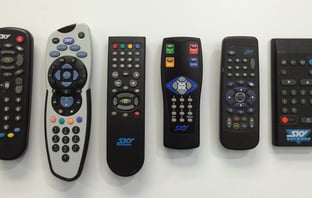
While Sky was incorporated in 1987, its social channels were drawing attention to its 25th birthday yesterday. The remotes have changed a lot in that time, as has the broader media market, and while it still counts over half of the country’s 1.6 million households as subscribers and raked in record profits last year, there’s no doubt the competition has ramped up significantly in recent years. So, in honour of this milestone, here’s a story we wrote last year about Sky’s fruitful relationship with its long-serving agency DDB.
As Mad Men comes to a close, DDB chief creative officer Damon Stapleton considers whether the end of the show also signifies the end of advertising as we know it.

If you are a child between the ages of five and nine, being a toy tester for a job is truly living the dream. The Warehouse and DDB are helping realise this dream for two Kiwi kids through a competition where young entrants upload YouTube videos of themselves reviewing their own toys. Two will be selected as official toy testers.
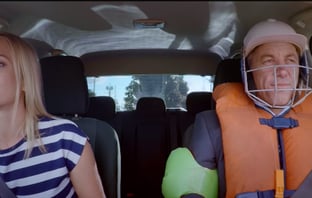
A protracted applause for Tower Insurance, Air New Zealand and Westpac this week.

DDB and BMW’s April Fools Day switcheroo made one woman very happy. And it’s also impressed the judges of the April Newspaper Ad of the Month award.
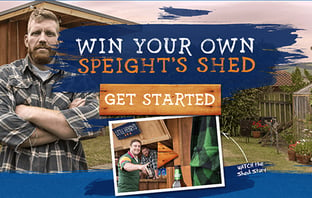
Earlier this year, Speight’s introduced Kiwis to Little Henry, the not-so-little Kiwi bloke who gathered his friends together to build a glorious shed featuring masculine decor, a dartboard and pull-out barbecue. This ad no doubt created envy in the hearts of many loyal Speight’s drinkers and the brand has now responded by launching an online competition that will give ten* lucky Kiwis a similarly legendary shed.

The marketing world is keen on vending machine stunts, with stunts allowing them to accept everything from hugs to Canadian passports to piano playing to motionlessness (this trend was skewered nicely by Taxi). Now, in an effort to tackle pollution, Volkswagen has created one that accepts batteries instead of currency in Russia.

Sky’s History channel and DDB have teamed up for a unique Anzac activation in which fake trenches were set up in Auckland and Wellington with actors dressed as soldiers re-enacting what it would have been like during WWI.
The Effies Worldwide Index was released last week and, after tallying up the points earned through finalists and winners in the local Effie awards shows, FCB New Zealand and Colenso BBDO were ranked fifth and eighth respectively in the individual agency rankings, with Barnes Catmur fifth in the independent agency rankings. PLUS: all the Kiwi wins from the Asia Pacific Effies.
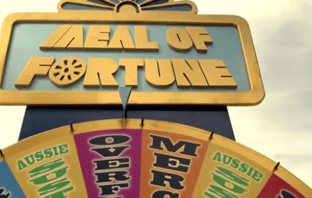
Greenpeace Australia has teamed up with DDB’s Andy Fackrell for a campaign called ‘The Meal of Fortune’, which aims to draw attention to the lack of fish labelling laws in Australia by reminding viewers how little they know about where their fish is sourced from.
After its last successful campaign, DDB has again teamed up with Paw Justice launching a campaign yesterday that aims to push sites such as Trade Me into incorporating regulations to stop puppy milling. As part of the campaign dubbed ‘Don’t Trade Me’, the agency and the not-for-profit listed auctions on Trade Me selling advertisements to support the campaign, and all of the ads sold out within the first five hours.