As the jandals are replaced by actual shoes and businesses around the country kick back into full gear, Steph Lowe looks at what the year ahead might hold in store for PR practitioners.

Vehicle servicing company Midas New Zealand has used a little-known production company to create its latest set of TV advertisements. The clips were made by 26-year-old Ben Journee from Side Project based in Auckland’s North Shore, a company which he says is made up of “… pretty much just me”.
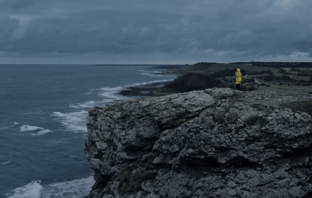
While Volvo is owned by a Chinese automaker, its marketing slogan is Made of Sweden. And its latest ad campaign celebrates the photogenic misery of the northern winter.
Look at the cover of any fitness magazine—or the imagery used by gyms like Les Mills—and you’re likely to see beautiful, fit people with flat stomachs, toned limbs, great tans and big smiles. But This Girl Can, a national campaign by Sport England and other organisations that aims to get “women to do their thing, no matter how well they do it, how they look or even how red their face gets”, has taken a more realistic approach by showing everyday women being active. PLUS: The Sun calls time on page 3 girls after 44 years.
Netflix recently launched a pair of new spots that show how much a Netflix subscription is capable of changing a viewer’s life. And while binge-watching shows until your eyes go red might not seem all that beneficial, the pair of new spots credit Netflix with the potential to increase compatibility between couples, make people more adventurous and remedy the frowns on sullen teenage faces. One thing it cannot, however, do is make you the leader of an alien race.
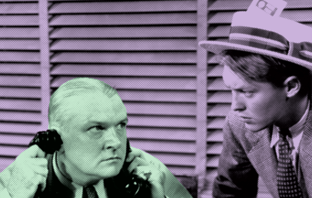
According to a new promotional video clip released by iSite Media via The Business, people in the New Zealand media industry, particularly those in the decision-making positions, are currently afflicted by an epidemic of agoraphobia, an irrational fear of open spaces that often precludes sufferers from going outside. The almost four-minute-long clip kicks off by depicting four high-ranking industry players—Dentsu Aegis chief executive Robert Harvey, OMD general manager Zac Stephenson, Mediacom general manager Nikki Stevens and PHD media director Lee-Ann Morris—each undergoing the struggles that come with the condition.
As evidenced by the likes of Women Laughing Alone with Salad and Completely Unusable Stock Photos, stock imagery is a fairly easy target. Enter The Stock Photobomber, who inserts himself into shots for comedic effect.
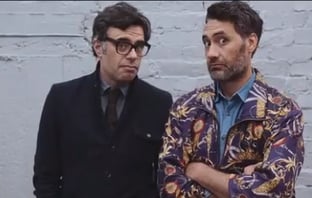
Taika Waititi and Jemaine Clement have taken to crowd-funding website Kickstarter in a bid to raise $400,000 to take the mockumentary ‘What we do in the Shadows’ to cinemas in 70 cities across the United States. But this move hasn’t been met with a positive response from all ranks, with some Kiwi Reddit commenters pointing out that Waititi’s last campaign on the platform left many backers rather dissatisfied.
James Hurman’s annual Gunn Report run-down of the campaigns that have won both a Cannes Gold Lion and a gold Effie shows that the most effective campaigns drive ‘viral’, ‘word of mouth’ or ‘fame’ effects far beyond the norm. And two of them are from this part of the world.
Content marketing is by no means a new marketing innovation to slide off the ceaseless production line dedicated to marketing jargon. Since Procter & Gamble’s early dabbling in sponsored content on a radio-based soap opera, content marketing has chugged along, evolving along the way and has now become a formidable beast that is present in countless marketing plans. But as the beast has grown, so too has the trepidation that brands often feel when finding the best way to approach it. So, in an effort to demystify content marketing slightly and make it seem a little more approachable, Getty Images has released a new infographic that gives marketers a quick breakdown on strategies that could help to effectively integrate content marketing into campaigns.
Many believe the answers are out there, somewhere. They are not, says Damon Stapleton. The great answers are still inside us. And they often begin with great mistakes.
Our weekly wrap of good things, strange things, funny things and other things from inside the intertubes.
In a decade which has seen a rapid increase of reality television, it comes as no surprise that New Zealanders will have a new one to watch this year in the form of The Bachelor. And Michael Hill Jeweller has jumped on the romantic bandwagon and will act as broadcast sponsor in the first series of the New Zealand version.
Well-known director and cinematographer John Day has passed away while travelling with family and friends in India.
Skewering the earnestness and, at times, outright ridiculousness, of the fashion industry is fairly common. But it’s less common coming from the naming rights sponsor of a major fashion event. And that’s what Mercedes Benz has done with its entertaining, cliche-slapping film Fistful of Wolves.
To say 2014 was an unfortunate year for Malaysia Airlines would be a massive understatement. Like a twisted game of snakes and ladders, the airline made steps to recover from the loss of 239 passengers on flight MH370, only to be knocked by a second tragedy in July in the Ukraine, resulting in a further loss of 298 passengers. And, after a misguided bucket list campaign last year, it’s employed the services of Malaysian-born, Australian-raised Poh Ling Yeow to take viewers on a video tour of Kuala Lumpur.
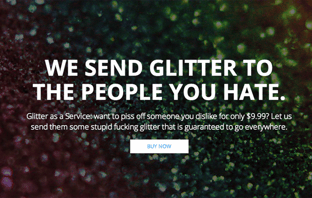
Aussie e-commerce site ShipYourEnemiesGlitter.com, as the name implies, started offering glitter bombs as a service to those hoping to annoy the hell out of people they hate. It’s trolling in the real world. And it’s been too popular for its own good.
Changes at NZME, Bauer, TVNZ, Omnicom Media Group, bFM and The Breeze.
In an era where the online realm has allowed marketers and media owners to measure, track and chart everything in real-time, it seems slightly anachronistic to record radio listenership by getting people to fill in a paper diary. And the radio industry seems to agree, because it’s currently reviewing its research methodology and, as a result, it won’t be conducting its regular T1 survey.
In the 1900s, a 41,000m2 airport located in the Bluff Creek, Los Angeles, housed some of the aircraft fleet of business tycoon, aviator and compulsive hand-washer…
In an increasingly digital, ephemeral world, tangibility still has power. And MEA Mobile’s photo printing app Printicular is profiting from that. PLUS: Other companies bringing online and offline closer together.
You can do some amazing things with light these days, with the likes of Philips’ Hue and GE’s Link giving humans the ability to control their lights via apps, create a disco in their living room or respond to other data (like calendars, or through ‘if this then that’). And Infiniti Middle East and TBWA/RAAD in Dubai has also done something pretty cool with lights for its Inspired Light project.
From sophisticated computers and apps in our pockets or purses to beautiful display canvasses in the street, shopping malls, airports, universities and even convenience stores and bus stops, all connected via the cloud, Aerva’s Sanjay Manandhar says the digital planets are set to align this year.
Where do creative types find their inspiration? New research by Adobe shows it’s increasingly in the online realm. PLUS: the creative skills deemed to be most in-demand in 2015.
Every year around this time, banks attempt to grease up the young’uns heading off to expand/erode their minds at University. But banks are rarely at the top of the priorities list at this stage of life and erecting a makeshift tent and handing out branded pens at a festival or over Orientation Week just doesn’t cut it anymore. So ASB is running a Snapchat campaign called Snap Scholarships—replete with the obligatory prizes—to try and lure them in.
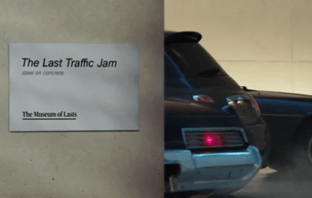
The potential for digital sensors and big data to make our cities easier to navigate and more efficient, whether it’s for parking, lighting or, in the case of Sensing City, pretty much the whole of Christchurch, is immense. Cisco has been banging on about the possibilities of the internet of things for a few years now, and, as its latest campaign, Building Tomorrow Today, shows, it thinks technology will soon render traffic jams extinct.
3-D printing, wearable tech and robots doing cool things are just some of the more endearing developments that have come to life in 2014. And there are many others. Here’s our top ten tech trends.
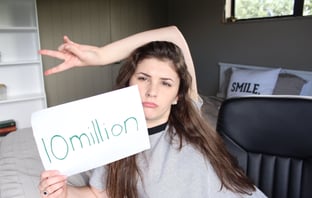
Because we all know the best way to lose weight starts with a hearty dose of self loathing.
To succeed in the digital world, you need to focus on what the audience wants as well as what your business needs. And editors straddle that line well, says Mark Glenn.
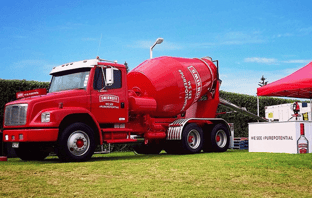
Smirnoff’s #PurePotential campaign via Special Group was pretty slick, with some good lookin’ billboards and a clever Instagram Bar that saw ‘mixologist’ Dickie Cullimore creating bespoke beverages based on pictures of punters’ fridges. The Lion-distributed vodka brand claims to see the potential in everything around us, “from sidewalks as dance floors, paint cans as drum kits and now a concrete truck as a drinks mixer”, which it wheeled out to a few festivals over summer.