News

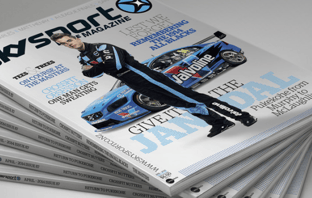
Sky TV subs off Sky Sport – The Magazine—UPDATED
As Sky TV continues to embrace digital marketing, it has brought the curtain down on Sky Sport – The Magazine.

As Sky TV continues to embrace digital marketing, it has brought the curtain down on Sky Sport – The Magazine.

Our ability to consume media is dependent on our ability to see and hear. If we can’t see, then Steve Braunias’ words in the Herald evade us; if we can’t hear, then the ramblings of Paul Henry float by silently; and if we can’t do one or the other, then the messages relayed via the television lose most of their impact. For over two thousand years, humans have developed various means to bridge the gap that separates the visually or hearing impaired from media. One of the more recent innovations in this space was the addition of captioning to television shows in the 1970s. The first application of this process was used in 1972 during an episode of the French Chef, with the words appearing uniformly across all TV sets tuned into the show. And by 1976, the Federal Communications Commission of the United States introduced closed captioning, which gave viewers a choice of whether or not to watch a show.
Damon Stapleton looks at what the willingness of spectators to pay $300,000 for a seat at a boxing match means for the industry.

Those who enjoy the seamless and simplified branding of Huffer might just enjoy a current solo exhibition of the work of Ken Griffen, the former artistic director of the brand who is exhibiting at Auckland’s Allpress gallery with his first solo show Face Value until 6 June.
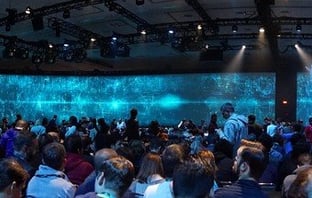
Standing for input/output and “Innovation in the Open”, the annual Google I/O developer conference explores the latest in technology, web, and mobile. Held at San Francisco, this year’s event sees some major upgrades to Google’s Android platform, new projects from the ATAP team, and some nifty VR.
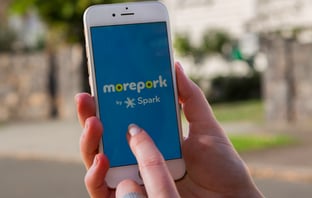
Following on from last launch of its digital app hub for small- to medium-sized businesses, Spark has now confirmed that it will begin offering smarthome security services later this year—adding yet another digital trinket to its growing portfolio of tools for both consumers and business people. The telco—a descriptor that’s becoming increasingly inaccurate—will beta launch the product called Morepork before the end of the week, enabling users to control and monitor their homes remotely via their smartphones.

Technology has a history of subversion. Apple’s classic 1984 ad showed its beliefs very literally. Streaming and internet-enabled piracy are changing the media and entertainment business. Google changed the way we advertise. And now businesses like Airbnb, Uber and many others are fighting against powerful incumbents and antiquated regulation to give consumers better services. While the confiscation of a few cowbells from a rugby game at Westpac Stadium in Wellington certainly isn’t in the same category, MEA Mobile and app partner (and Chiefs sponsor) Deosan have showed their subversive side by developing a digital substitute for Chiefs fans.
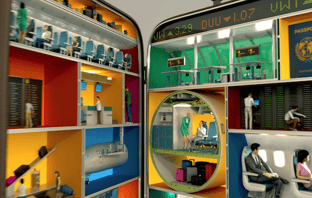
The entertainment and media industries have seen a huge shift in recent years. Content viewing has gradually shifted to the online world and therefore advertising follows closely in tow while traditional media’s growth rate is slumping. PwC provides some insights and predictions of the movements of these industries closer to home and further afield between 2015 and 2019.
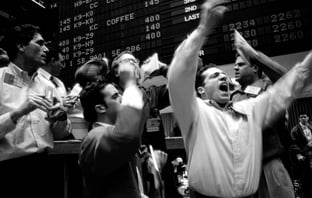
Conferences, online videos and webinars are popping up everywhere promising to demystify programmatic advertising and give marketers insights on how to use it effectively. Damien Venuto looks into the hype behind the industry’s latest buzzword.
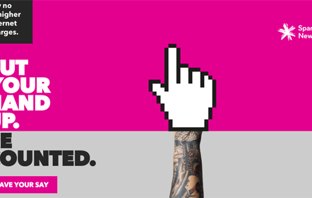
It wasn’t too long ago that Spark was a company to be railed against; a monopolistic monolith using confusion as a marketing tactic to suck money out of consumers. One Spark staffer tells of a focus group attendee from South Auckland before the rebrand saying that if an 027 number came up on their phone they knew it was either telemarketers or debt collectors so they’d just ignore it, which is a good indication of the level of disdain for the brand in that part of the country. But since then, there’s been a lot more openness from those inside the company and a lot more love shown by consumers, and this change in approach manifested itself in the Be Counted campaign, which was created by Touchcast and managed to get over 50,000 New Zealanders interested in regulatory process.

The human psyche is seemingly embedded with an unrelenting draw toward buttons—something illustrated in the exasperation of a parent begging a toddler to leave random switches alone. And this base impulse is something that brands are looking to capitalise on by putting ‘buy now’ buttons just about everywhere (those with koumpounophobia are advised to look away now).
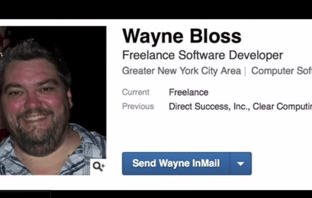
The world of LinkedIn is a networker’s paradise (as the satirical slogan summarises ‘connect with people for no reason at all’). And it turns out it also a musical punster’s paradise, with YouTube user Jim Mortleman and a few others replicating the words of Queen’s Bohemian Rhapsody with screenshots from the social network. Anne Ayoade the Wayne Bloss indeed.
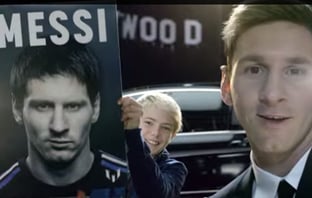
There’s no shortage of local brand ads featuring the chiselled faces of the nation’s sports stars. And tagging a famous visage onto a brand might not be the most original approach to promoting a product or a service, YouTube’s recent rundown of the top ads of the decade again illustrated the pulling power of athletes.
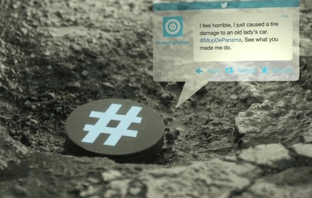
One of the last things you would expect to be tweeting away is a pothole. Yes, you heard correctly, a pothole.
The Tweeting pothole was designed by Ogilvy & Mather and consists of a device that has been placed in potholes which is activated when driven over, sending out hilarious activist Tweets to the Department of Public works.
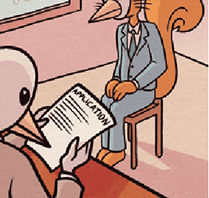
In the digital world, there are many who talk a good game or have a different digital world-view, says Andrew Hawley. And it’s not until they’re under extreme pressure that you discover the true extent of their capabilities, or lack thereof.

Continue Reading Sports fans nationwide have reason to cheer the latest additions to the Herald as it continues towards becoming the premiere Kiwi destination for rugby…
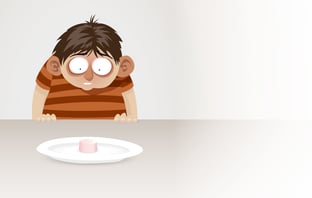
It’s the 1960s. Four-year-old Craig is sitting alone in a small room staring at a marshmallow. The woman who placed it there has promised she’ll be…
Recently, the One Weather sponsorship served as a pre-roll battleground for major car brands, as Ford touted the superiority of the Ranger over the Hilux through a faux weather reporter moulded on the lovable pie-eater from Toyota’s advertising. The car brands have since put away their monobrows, and Vodafone has now stepped into the One Weather slot—and the telco is also hoping to give its sponsorship a distinctly Kiwi feel (hopefully, without the monobrows).
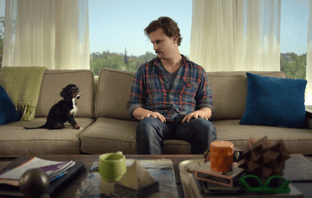
A rather lonely-seeming chap picks up a wee pup to be his ultimate companion in this Purina Puppy Chow ad created with BuzzFeed which has already had millions of views after being released less than a week ago.
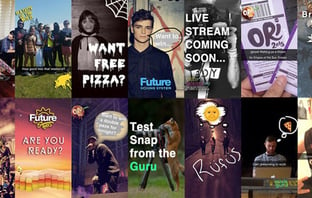
After one accelerator programme, a spell in a start-up incubator and a tonne of two minute noodles, digital venture Mish Guru, which has developed software designed to help businesses get bang for their marketing buck on Snapchat, has a springboard of nearly half a million dollars to break into the US market.
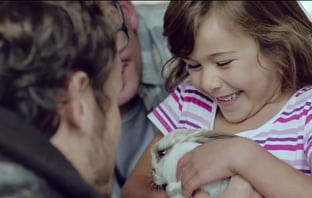
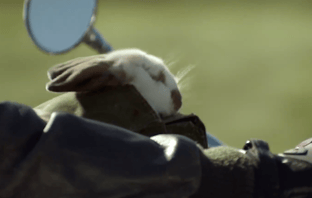
If two recent additions to the Kiwi advertising canon are anything to go by, then it would appear that New Zealanders have difficulty keeping track of the whereabouts of their four-legged co-habitants. Following on from Vodafone’s recent spot chronicling the struggles of a courier driver trying to locate the owner of a piglet named Piggy-Sue, BP is now also pulling at the heartstrings with a 90-second spot (by Ogilvy and Waitemata Films) that shows a motorcyclist going to extreme measures to reunite a bunny with its owner.
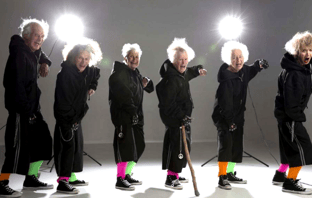
While the oldies have plenty of money, many marketers are guilty of pandering to the young. But as life expectancy—and quality of life—rises, Grainne Moss, country manager for Bupa, says marketers are missing a golden opportunity to engage the older demographic, rather than turning a blind eye to the dear old things.
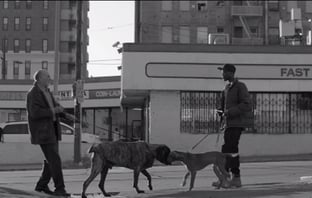
In May, Pedigree launched its new global positioning, ‘Feed the good’, in Brazil and Australia via a pair of ads premised on the idea that dogs help humans be the best versions of themselves. And now, following on from this, the dog food company has launched a US spot, which was developed by Colenso BBDO in collaboration with BBDO New York. And While the gritty imagery in the Australian spot was bold as far as advertising for pet sustenance goes, the US spot is by far the most contentious in its portrayal of the tension that pervades race relations in the United States.
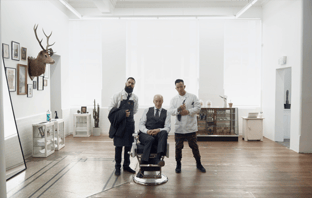
NZ Post has had a rough ride over the past few years as its main revenue source—mail—continued to have its lunch cut by digital communication. That’s resulted in a series of restructures, asset sales and cost-cutting exercises, but necessity is the mother of invention, so those difficulties have also forced it to evolve its business and come up with some new ideas like YouShop and YouPost. The rise of e-commerce is also working in its favour, and it’s the role NZ Post can play as a supplier to business that it’s focusing on for its new brand campaign, You Can.
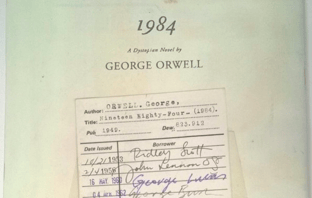
The New Zealand Book Council has released an ad via Colenso BBDO which shows just how much classic novels can shape the world and inspire those who read them in the lead up to the release of its monthly podcast called Talking Books.
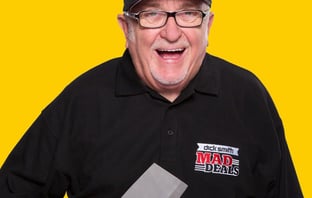
We already know you just can’t beat the Mad Butcher’s meat. Now he’s teamed up with Dick Smith to show you just can’t beat their “mad” consumer electronics deals.
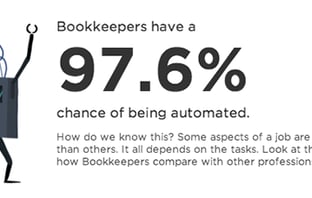
Some estimates suggest that as much as 43 percent of all jobs currently existing will be automated by 2033, leading to millions of people in the workforce having to find new jobs. This obviously puts many of us in an awkward position in that our responsibilities might one day decline into polishing the robot that can do our job much faster and more accurately than what we ever could. So to give workers an indication of how much risk automation poses to them, the National Public Radio (NPR) website has released an interactive web tool that gives visitors an indication of how likely it is that a robot will one day do their jobs.
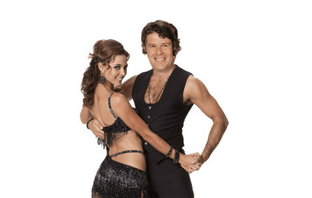
An ode to John’s last tango. *Camera turn*.