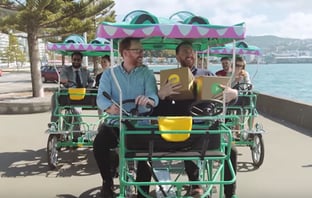
Wellington-based online video storage company Wipster has announced the end of limits to storage capacity at a price of $15 per month, so StopPress asked a few Wellington-based videographers what they thought of the move.
While the numbers competing in the Auckland Marathon were down significantly this year due to the clash with the Rugby World Cup final, ASB had a foot in both camps as a sponsor of the All Blacks and the event. So it couldn’t really lose. And its clever ‘Run down Your Rate’ campaign was the latest in a series of impressive sponsorship activations from the bank and its agency Saatchi & Saatchi.
Rebel Sport has kicked off its summer promotional push, with a brand campaign by Ogilvy & Mather that calls on Kiwis to take advantage of the warmer weather by getting outside and breaking a sweat. PLUS: Red Bull tries to get its brand messaging into consumers ears through Pandora.
New Zealand menswear retailer I Love Ugly has juxtaposed kids with the older generation in a striking new campaign showing that the appeal of its range extends across age groups.
MediaWorks’ decision this week to review 3D was, much like in the case of Campbell Live, met with a unanimous groan across the industry, as another sign that journalism isn’t commercially viable. But this isn’t entirely true. Current affairs reporting has a future, but the way it’s presented might need to change.
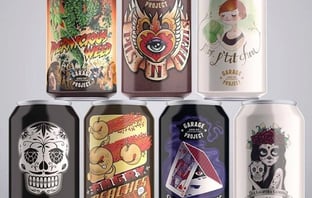
Garage Project, a Wellington-based craft brewery, has taken the number one ranking on this year’s Deloitte Fast 50 with a three year growth rate of 664%.
Canadian agency John St has developed a reputation for skewering the latest marketing trends with its parody videos. So far it’s taken aim at click farming, real-time marketing, fear-inducing experiential and the internet’s undying love of cats. And now it’s released another gem showing how it can co-opt the idea of female empowerment that brands like Dove and Always have tapped into and prey on female insecurities to help sell more stuff.
Our weekly wrap of good things, strange things, funny things and other things from inside the intertubes.
Trampers can now traverse New Zealand from the comfort of their living rooms, beds or wherever they plug in their computers after the country’s Great Walks were added to Google’s Street View.
As we approach the end of the year, the young up-and-comers who have been honing their creative skills at various ad schools set out on their quest to find gainful employment by showing off their handiwork. And the first of them was held last night when ten people graduated from the 12-week AWARD School course. Feast your eyes on some of the best scamps.
This week, Bauer launched the latest addition to its revamped digital arsenal in the shape of the new Women’s Weekly website. So we chatted to the media company’s head of digital Michael Fuyala about how the rollout of the new digital properties is going, what he expects for the latest title and which advertisers have already been attracted to the various online properties.
While we generally prefer to write about good advertising campaigns here at StopPress, we’re happy to give the bad ones a prod from time to time, whether it’s for blatant rugby bandwagon jumping or cringey beach cricket. So here are a few that have got our goats recently.
The modern radio audience has become divided, with streaming services and websites flooding onto the market. The Edge knew it needed to keep up, so it made its audience an offer it couldn’t refuse.
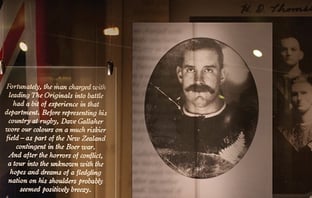
Spanning two wars and a bit of rugby in between, Dave Gallagher’s story, which is presented on a Steinlager ad alongside vintage photos and props, makes for compelling reading—and it comes as little surprise that the judging panel for the Newspaper Ad of the Month singled it out as the standout creative in September.
When people look back on the great heatpump wars of the noughties and 2010s/teenies/tenties/tenners, they will presumably think of rugby players on walls, cricket players cracking dad jokes on couches or slightly sinister bald men. Daikin farewelled Dan Carter as an ambassador earlier this year but attempted to maintain the humour in its follow up effort. But now it has switched its approach and, in a new Australasian brand campaign via Sugar & Partners and Robber’s Dog, is focusing on emotions rather than technology.
At the recent CAANZ session ‘Who’s buying? The future of content commercialisation in NZ’, several industry commentators weighed in on whether content marketing is nothing more than an annoyance. Here’s a rundown of what Metro’s Simon Wilson, The Spinoff’s Duncan Greive, MediaWorks’ Alana O’Neill, Fairfax’s Ellen Read and former Herald editor-in-chief Tim Murphy had to say.
A new app from UK luxury car brand Bentley lets drivers design their own vehicle according to their emotions. Well, kinda.
For the latest season of MKR NZ, TVNZ played the regional card pretty hard in an effort to drum up some parochial support for the contenders. And it seems to be a successful strategy, because Sugar & Partners, Carat and NZ Rugby are claiming victory after its outdoor and social media campaign got the punters talking about the ITM Cup.
A study by PageFair and Adobe released in August estimates ad blocking will cost the global industry around US$41.4 billion dollars in 2016, up from the US$21.8 billion lost this year. And the onus of this revenue leak is increasingly being shifted onto publishers. So what are they doing to fight back against the ad-block threat?
Newspapers love big events, as brands hoping to show their tactical advertising flair tend to gravitate towards them. That was certainly the case after the 2011 Rugby World Cup win, as it was on Monday when the team backed that performance up by beating the Aussies. But we found a few more full-pagers in a special World Cup lift-out in the Herald this week, as well as some other rugby-related efforts.
Facebook announced a stonking third quarter result today, beating analysts’ expectations with US$4.5 billion in revenue and a 14 percent increase in the number of monthly active users. But, much more importantly for the world’s largest social network, Richie McCaw has finally signed up and got the blue tick after a bit of pressure from the socially savvy Dan ‘Mince on Toast’ Carter. And, just a couple of days in, he’s already close to the 300,000 fan mark. If he keeps that up, he’ll soon be getting thousands to post ‘authentic’ pictures of him in his Versatile house, wearing his Beats headphones and using his favourite teeth whitening brand.
The latest wave of transformative digital services has the potential to change lives to an extent far beyond the disruption caused by the previous two waves, desktop web in the 1990s and mobile in the 2000s, says Accenture Interactive’s Michael Buckley.
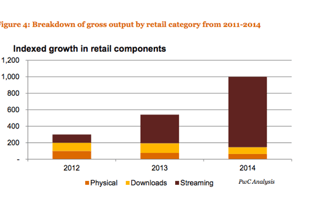
The mode of delivery for audio has changed markedly in the past few decades, to the point where young folk tend to see a cassette tape as the modern-day equivalent of a gramophone. And a PwC report into the contribution of the music industry to the New Zealand economy shows that while the total retail sales are down significantly on 2012 as a result of shifting listening habits and illegal downloading, the significant growth in online streaming is making up some of the lost ground.
Radio New Zealand has followed in the footsteps of the BBC, ABC and NPR by adopting the acronym RNZ. And while this is a relatively small change, the state broadcaster’s chief executive Paul Thompson says it’s reflective of the organisation’s reach beyond traditional channels into new digital mediums.
In response to continued problem of victim blaming in cases of rape cases, the Crown Prosecution Service in the United Kingdom has released an online clip that uses a simile that will resonate with every Briton – a cup of tea.
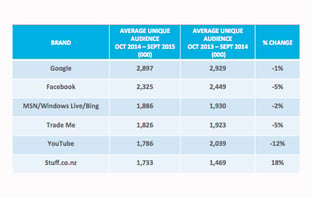
Internet giants Google and Facebook continue to dominate online ratings for New Zealanders but increasing numbers of New Zealanders are visiting Stuff.co.nz and the NZ Herald, according to the latest Nielsen figures.
Through a content partnership between Marketo and StopPress, we look at how technology is being used to automate marketing processes and what this means for industry. In the latest edition of the Fully Automate series, we chat to Marketo’s vice president of product management Cheryl Chavez about how automation is making it easier for marketers to roll out and track campaigns.
A few months back Vodafone launched a campaign aimed at teaching parents how to keep their kids safe online. But sometimes you need more than a parent’s guidance. You need technology. And Torch, a special router for parents that claims to stop kids from accessing dodgy content and imposes limits on the amount of time they spend online, created an ad that shows how innocent search terms are not always so innocent.
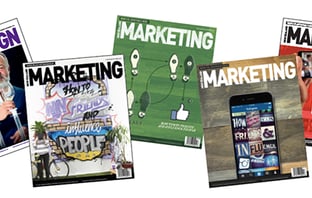
Something that stood out during our research for the influencer feature in the latest edition of NZ Marketing was the willingness of brands to relinquish creative control to the content creators they work with. So we followed suit by handing the cover creation duties over to a few brands we interviewed for the issue.
With banner blindness and ad-blocking software on the rise, native advertising is growing rapidly. And while there are plenty of thorny issues, Young & Shand co-founder Ben Young thinks that’s a good thing for marketers.