Dodge released its first Anchorman 2-related ads in early October. They were awesome. And Ron Burgundy’s back with some more brilliant ads, including a very hard sell, entertaining mispronunciation and some awkward dead air.
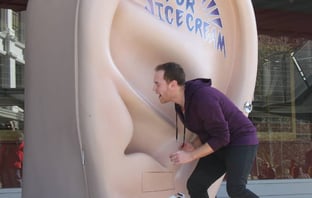
Memphis Meltdown has never been known for its sanity, but now the brand is encouraging Kiwis to join the madness by screaming into a giant ear for ice cream.
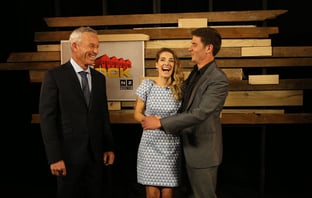
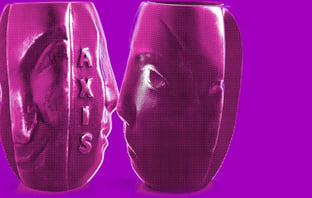
When Axis set out to stage a more collegial and celebratory awards show this year, it might not have imagined agencies cosied in warm embrace over each other’s work, nor its trophy moving in for a fleeting kiss with a doppelganger. But as this year’s awards open for business, Clemenger BBDO has paired off the big guns and asked them to love each other as only agencies can.
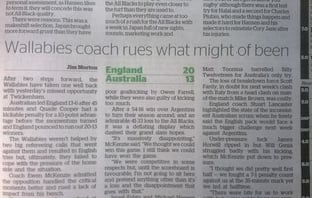
There are a lot of words in a newspaper, most of them spelled right and grammatically correct. But a few grammar nerds were up in arms on Twitter yesterday after the Herald committed a cardinal sin and used the words ‘might of’ in a headline.
The creatives at Saatchi & Saatchi NZ are stretching the beer-plumbing theme with a competition that gives entrants the chance to win a beer-plumbing addition to their homes. PLUS: more Tui pranks to follow.
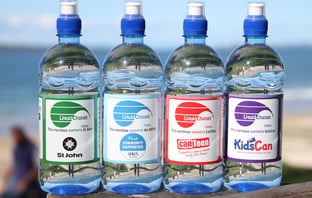
A group of entrepreneurial young Westlake Boys students are doing their bit to prove that businesses with a soul can help make the world a better place. And Liquid Change, a bottled water business with a charitable twist that started off as part of the Young Enterprise Scheme, has gone further than most of its student ilk: into the fridges at one of the country’s biggest oil networks, Z.
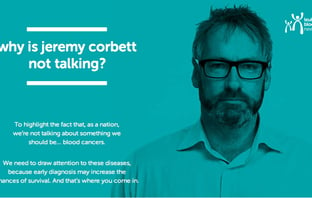
Following the success of last year’s ‘what word do you hate the most?’ campaign, Leukaemia & Blood Cancer New Zealand (LBC) has now gone in the opposite direction by encouraging Kiwis to keep their Facebook lips pursed during Cancer Awareness Week. PLUS: Kiwis can also join the cause via a Facebook app.
Hallenstein Brothers has collaborated with Coca-Cola and Will.i.am to produce a range of eco-friendly suits targeted at millennials that are manufactured from up to 25 recycled PET plastic bottles.
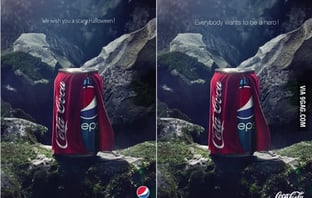
Pepsi tried to give Coca-Cola (or, due to copyright reasons, ‘Cola-Coca’) a burn with its Halloween ad. It got some pretty good social media traction as a result, although some were confused about the message and thought it was showing its rival as a super hero. And while it’s not clear if this witty response is a legitimate one from Coca-Cola, maybe it should be.
According to the ever-reliable Wikipedia, New Zealand has the 45th highest rate of per capita tea consumption, with an average of 0.65 kg downed by each person every year (well behind the English on what is almost certainly a made up number of 68.69 kg per year, although the UK Tea Council gives the top spot to the Irish). Bell Tea is hoping more of that will come from its two factories and to help do that it’s launched a new 60 second TVC via Whybin\TBWA that celebrates the long history of the brand and the performance-enhancing properties of tea.
Our weekly wrap of good things, strange things, funny things and other things from inside the intertubes.
Standard inflight safety videos are in danger of extinction, with Delta and Virgin America the latest airlines to follow in Air New Zealand’s quirky footsteps.
.99 mans the fort with some senior staffers, Murray Deaker switches off, and changes at The Radio Network, Hunter and Pead PR.
Taste magazine is following in the footsteps of its Bauer stablemates Cleo and Metro with a new web presence. The new site is set to tap into the growing global hunger for information about food and cooking.
The worst kept secret in the New Zealand magazine business was confirmed this morning when Bauer announced it had added APN-owned magazines The NZ Listener, NZ Woman’s Weekly, Simply You, Simply You Living and Creme to its roster, subject to Commerce Commission approval.
Pagani, one of the oldest New Zealand-owned fashion chains, has been given an overhaul with the help of Running with Scissors. And the changes stretch from the instore experience to the advertising.
NZ Rugby World has made significant advancements in the digital space this year, launching its iPad edition, increasing the frequency of its eDm to weekly and growing its Facebook fan base to over 20,000 friends. And its latest promotional piece features one of the sport’s most promising players, Steven Luatua, who encourages viewers to buy a copy—or else.
Some see him as a journalistic pioneer. Others see him as a narcissistic megalomaniac. And Andrew Fowler’s chronicling of Julian Assange’s rise and fall will help you decide which side of the fence you sit on—and should be of interest to anyone with a passing interest in the media—writes Kelly Bennett.
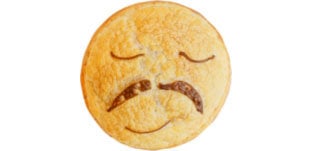
Moving away from their standard, clean-shaven pastry visages, Pie Face has added a cartoonish moustache to their pies in an effort to help raise funds for men with health issues.
Alice and Caleb Pearson were crowned the winners of the second edition of The Block NZ, and the husband-and-wife team took home $261,000 for their efforts over the last 10 weeks. And they weren’t the only winners, with TV3 recording its highest primetime share in 25-54 since records began in 2005.
Radio New Zealand is pretty popular with the oldies and, according to Nielsen, it was the top rating station in the country last year. But its role is to appeal to all New Zealanders, so it’s aiming to do just that with the launch of its new youth-focused multimedia brand, The Wireless.
With mobile devices practically fused to modern hands these days, dual screening is becoming increasingly popular—and broadcasters and advertisers are acknowledging that shift, with The Warehouse and DDB joining the fray in the local market by offering viewers of the TVC a chance to win some of the items featured in it.
In just four years, Stihl has added a suite of new products, started targeting the residential market, changed its approach to comms and vastly improved its retail network. And now it’s reaping the benefits.
Our American counterparts have turned Halloween into a huge commercial resource that can be tapped into annually. This year, the ad agencies across the Pacific have once again illustrated how far the simple premises of horror, costumes and bucket loads of treats can be stretched.
Lorde’s insistence to produce something that’s of true quality and distinctiveness, yet also absolutely mainstream, is the hallmark of truly great commercial innovators. That’s exactly what New Zealand is striving to be, says Y&R New Zealand’s James Hurman, and he believes her rise has plenty of relevance for those working in this industry.
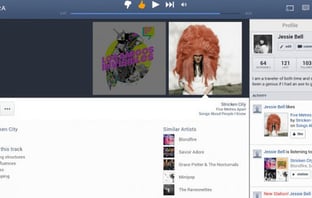
Radio streaming service Pandora has brought the functionality it introduced in its 5.0 app for iOS devices earlier this year to a new version for Android tablets. The interface of Pandora 5.0 for Android tablets has also been optimised for the larger screen size of these devices.
Recruitment company Hourigan International wants to get creativity a seat at Kiwi boardroom tables and embed it into senior leadership roles. It’s targeting the ‘creative leadership tribe’ of agile, commercially-literate people who can help firms become more consumer-centric.
According to Yahoo Finance, Americans spend about US$8 billion on Halloween every year, with the biggest chunk spent on costumes. And while Kiwis are yet to fully embrace the trick or treating culture, there’s definitely a buck to be made. PLUS: MOTAT’s Halloween event lures the ghoul lovers.
Kiwis are can’t switch off when they’re away getting R&R, with a TripAdvisor survey showing we use our mobiles to shamelessly brag about our holidays on social media, look for places to stay and things to do. But a significant number of our hospitality companies aren’t meeting traveller demand.
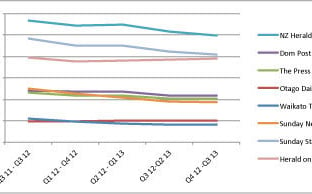
Nielsen’s readership and the ABC’s circulation results do not bode well for the print versions of New Zealand newspapers. Most of the major publications recorded significant drops on both reports, leading to suggestions from some that it might be time to adapt the way statistics are collected so that readership can be measured across all platforms.