
News

Inside: Goodfolk
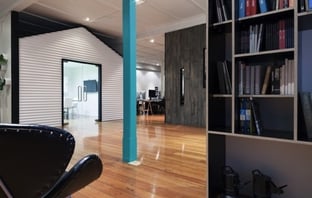
It has been a big year for Goodfolk, with some notable hires, new accounts and an office refit to boot.

It has been a big year for Goodfolk, with some notable hires, new accounts and an office refit to boot.
A 21-gun salute for Haier, Rebel Sport, Fiji Air, New World and NZ Post/Maori TV this week.
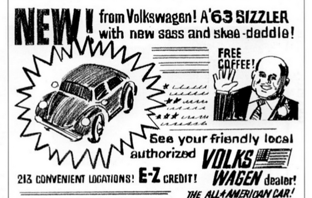
DDB’s ads for Volkswagen back in the 1960s are regarded as some of the best ever made, as evidenced by Think Small’s first place on Ad Age’s top 100 campaigns of the last century. And, as this parody called ‘nine ways to improve an ad’ from 1963 shows, it pays to remember that simplicity is still the best approach.
One of the biggest nights of the direct marketing calendar was held last week in New York, and, as has been the case for the past few years, there was plenty of New Zealand representation, with Clemenger BBDO, Colenso BBDO, Ogilvy & Mather and Republik among the winners.
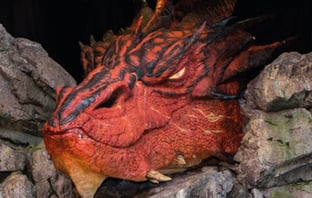
Earlier this month, the team at Wellington Airport added a third giant, Tolkien-inspired character to its collection of statues that currently greet tourists. Joining Gollum and the Great Eagles is Smaug the Magnificent, considered to be the last of the great dragons in Middle Earth.
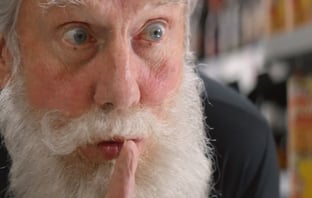
After two delightfully insane adverts that illustrated that retail advertising doesn’t always involve the same tropes, the New World marketing team has reeled it in bit for its Christmas campaign, which features a mild-mannered employee named Noel, who may or may not be Santa in an admittedly average disguise.

Māori Television has introduced a bit of sassiness to water safety in a new campaign that features Nani Pupu, the opinionated, bolshie and often inappropriate character that Mai FM’s Brent Mio played in the YouTube clips for the ‘Te Kupu o te Wiki’ language programme initiated in conjunction with NZ Post for Māori Language Week this year.

Chief executives as the front-person in ad campaigns have been a long-held staple in the advertising space, but the majority are often boring and overused, with voiceovers set to a kitschy hipster montage or “walk-n-talk’s” directly addressing the consumer (shout to to Chanui). But here are a few that over-the-top/down right dangerous stunts that don’t fall into that trap.

Earlier this year, TVNZ centralised control of its programming across TV One, TV2 and Ondemand and appointed John Kelly to the newly created role of general manager of programming. Kelly, who first joined the broadcaster as an editor in 1995, shifted across to the programming 2006 and was shortly thereafter promoted to the position of head of programming for TV2. While Kelly is certainly a TVNZ veteran by most definitions, the launch of the new season came with first for him in the sense that he found himself holding the reins of not only TV2, but also of TVOne and TVNZ’s rapidly growing on-demand offering. StopPress popped around to TVNZ’s soon-to-be-previous offices on Auckland’s Hardinge Street to chat to him about his favourite picks of the new season, his thoughts on TVNZ Ondemand, his programming strategy, cancelling shows and what the future holds for the government-backed broadcaster.

At a time when consumers have more movie-viewing options than ever before, some may find the growth of various box offices from around the world slightly surprising. But heading to the cinema remains very appealling and where there’s an audience, there will be advertisers, especially if it’s of the captive variety. So with Val Morgan recently holding its new season launch and showing off some of the big movies heading our way next year, we asked cinema network sales director Suzie Lamborn a few questions about how the medium is faring from an advertising point of view. PLUS: Val Morgan’s move into digital out of home with Tower TV.
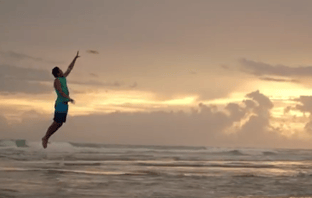
Brad Thorn put his husky voice to good use for Rebel Sport’s ‘Ode to Winter’ campaign by reading a poem written by Ogilvy & Mather’s departing executive creative director Angus Hennah. And Ladi6 has put her sultry voice to good use in her first ever TV brand spot by reading a poem about summer.
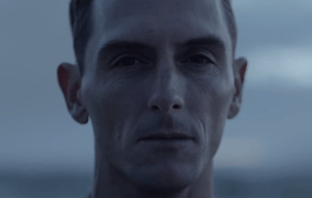
William Trubridge is probably not sipping on a Steinlager Pure at the moment, given he’s preparing to break his own freediving world record on Wednesday morning New Zealand time and descend 102m into the Caribbean. But there will undoubtedly be a few waiting for him on the boat if he returns to the surface victorious. And, in addition to a number of billboards, plenty of in-bar activation and a special elevator, Lion and DDB are aiming to get more Kiwis watching the record attempt live on TV One’s Breakfast with the help of another moody TVC.

When marketing a wine region to prospective travellers, you could show a few shots of beautiful vines, happy couples clinking glasses and the odd landscape. Or you could just show off a bunch of dirt. Yes, dirt.

Our weekly wrap of good things, strange things, funny things and other things from inside the intertubes.

Lorde hasn’t had too much trouble selling records, but, given what’s been happening to the music industry in recent years, the labels could always use a bit more revenue. And Universal Music and BBDO Argentina devised a great way of drawing attention to/selling more copies of her album Pure Heroine by asking fans to imitate her unique dance style and giving them a discount based on how closely they matched.
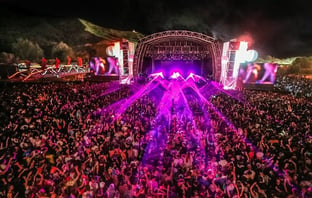
For the first time in New Zealand, Spark and Spotify have teamed up to bring together #MyFestivalStory, which will provide those going to Rhythm & Vines or Rhythm & Alps with a personalised digital snapshot of their experience through RFID technology.
Good old fashioned interruptive display advertising is the golden goose that keeps laying for the local TV networks. But integration is so hot right now. And, whether it’s sponsorships, programme partnerships, production partnerships or one-off branded content projects, it’s a big part of TVNZ’s focus for the future. Following its new season launch this week, head of sales Jeremy O’Brien and general manager of media solutions and insights Lyndsey Francis talk turkey about its plans for next year and what the TV landscape might look like soon.
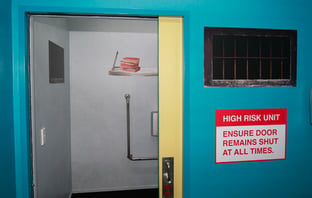
If horror films are anything to go by, then the restrooms of petrol stations aren’t necessarily the best place to visit—not so much because of the boogeymen lurking in the shadows, but more so because thought of bringing bare buttocks into contact with the toilet seat is genuinely terrifying. So, in an effort to make the pitstop experience slightly more enjoyable, independently owned fuel chain Gull has refurbished 14 of its petrol stations, giving them themes that would be more congruent with a quirky hotel than a petrol station.
While most in this industry take their roles very seriously and firmly believe in the commercial value of creativity, there is also a self-awareness that allows them to poke fun at themselves from time to time, as evidenced by last year’s brilliant Axis campaign. And to celebrate Strategy magazine’s Agency of the Year Awards in Canada, it asked some of the finalists to show off their creativity—and, in doing so, many of them decided to take aim at the ridiculousness of their own realm.
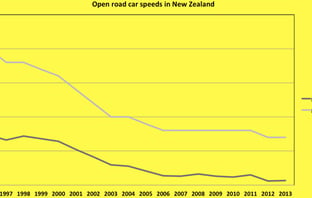
Over the course of the last two decades, the average speed travelled by New Zealand motorists has decreased year on year. And while the mean speed has dropped more gradually from 123 km/h in 1996 to 95.7 km/h, the speeds among the 85 percentile—the 15 percent of vehicles recorded travelling faster than the mean speed—dropped markedly from 115 km/h to 102 km/h.

What do you get when you combine two guys with a passion for ski racing—one an urban planner with a PhD and the other an art photographer and fashion designer? The unlikely answer is a start-up company with a mission to develop sexy (and dry) underwear for the incontinence market—and a penchant for doing lots of research.
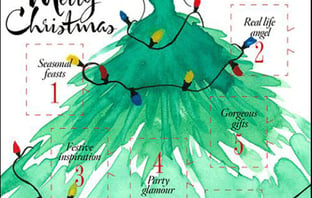
One particular magazine cover has been generating plenty of discussion and plenty of entertaining responses (Homer Kimpson takes the win) in recent days. Not surprisingly, Kim Kardashian’s effort for Paper caught the eye of Coverjunkie, a website that celebrates “creative covers and their ace designers”. And a few local efforts from Next, Metro, North & South and Threaded, have also been featured recently.
Earlier this year, Pedigree and Colenso BBDO tried to monetise slacktivism with Share for Dogs, a campaign that, as the name implies, asked people to watch videos of cute dogs and send them on so that a portion of the profit generated from the pre-roll advertising on each video could be shared with the charity. Now, extending a test campaign it ran last year, .99 and the Leukaemia & Blood Cancer New Zealand have also created a way for Kiwis to help by doing, rather than paying.
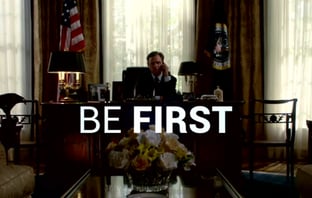
When StopPress recently asked players in the ondemand and subscription video on-demand (SVOD) market to share streaming stats on their top ten most popular shows, TVNZ was the only one that shared official numbers. And the reason for this is largely down to how successful the platform has been over the course of the last year. With an average of over five million streams per month, TVNZ has a great base to build on, and the broadcaster’s head of sales and marketing Jeremy O’Brien believes the service will offer more to both advertisers and viewers in 2015.

With the trials and tribulations of Quickflix and Ezyflix, the arrival of Premier League Pass and Lightbox, the impending arrival of Sky’s Neon and murmurings that Netflix will launch in Australia next year, there’s plenty of action in the subscription video on-demand market at the moment. And that’s good news for content consumers. But one of the major impediments to uptake is the hassle—or perception of hassle—in getting that content on the main TV. So, following in the footsteps of Quickflix and the free-to-air broadcasters, Lightbox has launched an app that offers its service through Samsung Smart TVs.
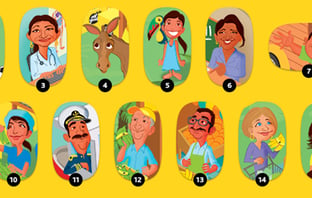
Compulsive hoarders are often reviled for allowing themselves to be buried under the assortment of junk that they’ve collected over the course of their lives. And while extreme examples of this problem make for fascinating trash TV, in reality the tendency of humans to collect isn’t unique to those who can’t see the floors of their homes. As evidenced by the continued popularity of collectibles—with Z Energy’s Blokhedz a recent example—even ordinary Kiwi families can at times indulge in the pleasure that comes with collecting things they simply don’t need. All Good Bananas is another brand that has recently launched its own version of collectibles campaign, which comes in the shape of stickers that are attached to bananas.
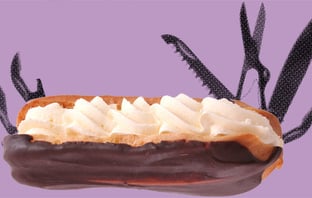
In the kitchens of L’éclair de Génie in Paris, creative brilliance is necessary, but is not by itself enough. Making the world’s best eclairs also requires careful planning, skilled judgement and a deep understanding of the medium. And the same is true of great ads, says Google’s Tony Keusgen.

At an elaborate event hosted at the Civic last night, TVNZ unveiled its programming lineup for the year to come. At the outset of the event, TVNZ’s head of sales and marketing Jeremy O’Brien referred to the broadcaster’s success over the course of the previous year, and promised the advertisers and media owners in attendance that this trend would continue in 2015. And to do this, TVNZ has combined a range of favourites from this year with a lineup of fresh shows that it hopes will maintain TVNZ’s dominant performance, which has seen the broadcaster hold the majority of the positions in the top 20 most-watched shows over the course of the last few years.
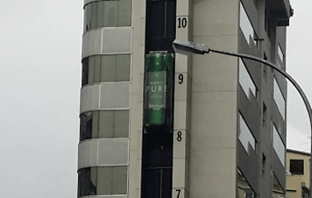
Steinlager’s latest ambassador is freediver William Trubridge, whose upcoming world record attempt in the Bahamas is being screened on Breakfast on December 3. At the launch of the new campaign, senior brand manager Michael Taylor said there were plenty of creative suggestions about how to promote the event and he even mentioned the possibility of a 102m high billboard. We haven’t noticed any of those around as yet, and they probably don’t come cheap, but we did notice a clever media idea that has put a lift in the Auckland CBD to good use.
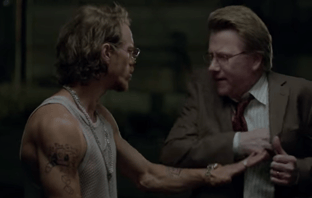
Adobe has been beating the accountability drum recently, with some great spots for its ‘do you know what your marketing is doing?’ campaign that show the perils of not basing your decisions on good data. And its latest effort has perfectly sent up the insatiable demand for clicks by equating a marketer with a junkie on the hunt for their next fix.