
News


TVCs of the Week: 2 October
Sealord, pretty much all the banks and Cirkus pass go, get $200 this week.

Sealord, pretty much all the banks and Cirkus pass go, get $200 this week.

Ah The Glossies. How we’ve missed you. But you’ll be overjoyed to know we’ve saved the best for last with a bumper double edition to round out this year’s competition. So peruse the entries, marvel at their quality and cast your vote.
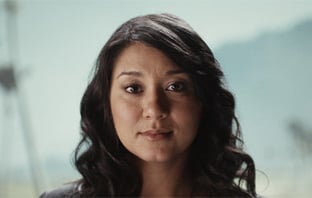
The Flight of the Conchords used the power of laughter in its charity music video to help raise funds for CureKids. But The New Zealand Breast Cancer Foundation’s 2012 Breast Cancer Action Month campaign, which features a new recording of Chris Knox’s iconic Kiwi ballad ‘Not Given Lightly’ and a music video starring famous and not-so-famous New Zealanders who want to remind the women they love to be vigilant and reduce their risk of breast cancer, is using the power of tears to get its message across.
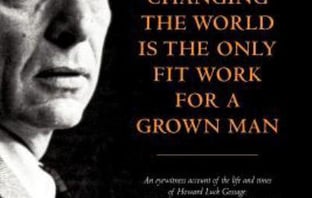
Paul Catmur’s take on ‘Changing the world is the only fit work for a grown man’, an eyewitness account of the life and times of advertising visionary Howard Luck Gossage.

Apple does a stellar job of cementing brand loyalty through hardship and scarcity. Maybe other brands should take heed.
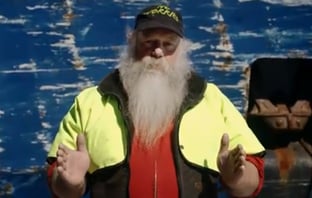
Last year Sealord and Greenpeace got into a bit of a stoush after the environmental group’s ‘Nice logo. Bad tuna’ campaign aimed to draw attention to what it believed was a seafood company “buying its tuna from fishing companies that are needlessly destroying marine life”. Sealord called it misleading in the extreme and got its lawyers involved. And it might have to give them another call, because following up from the company’s first ever brand campaign by Saatchi & Saatchi, Greenpeace has released a spoof ad that again takes aim at Sealord’s sustainable credentials.

The first season of The Block NZ was a huge success for MediaWorks. For the sponsors, however, it surpassed even their high expectations of what television can do.

TSB managed to get itself on TV remarkably quickly after the announcement of the National Bank/ANZ fusion with a message aimed directly at the customers who see the rebrand as an opportunity to switch. And, as expected, the rest of the banks were close behind with their own various overtures.

DraftFCB’s Steph Pearson was one of two winners of Yahoo!’s inaugural Digital Stars competition. And this glimpse into the future of media earned her that title.

BNZ’s teaser campaign reached its denouement last night, launching its new brand platform ‘Be Good with money’ and adding some spice to an already pretty spicy financial marketing scene after last week’s formal announcement about the cessation of the National Bank brand. BNZ’s chief marketing officer Craig Herbison talks about starting conversations, breaking taboos and focusing on the bigger issue.
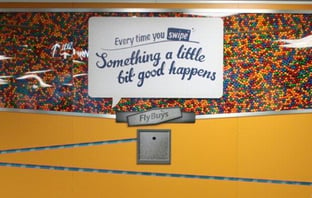
Fly Buys’ new motto ‘Every time you swipe, something good happens’ became quite literal recently, with some interactive Adshels in Auckland and Wellington injecting some fun into the city streets.
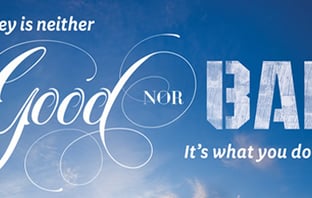
After three weeks of TV ads, hundreds of mystery billboards, a few spray painted footpaths, a hijacked Twitter account that sent around 100 people to a fake money drop, and a fair bit of speculation about who was behind the ‘Money is Bad/Money is Good’ teaser campaign, our suspicions were confirmed last night when the BNZ logo came into view alongside its new tagline ‘Be good with money’.
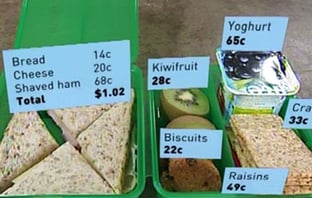
When mainstream media outlets put their minds to it, they can be a powerful force for good. Campbell Live, which was in the headlines today after the announcement about is main rival Close Up, has given it a good nudge this year with a series of fundraising initiatives and it’s been shining a light on child poverty in New Zealand and its social and economic impacts this week. To raise funds, it’s instituted Lunchbox day with KidsCan and there are a number of businesses and community organisations doing their bit around the country. So as you slip back to work from your Friday power lunch, either text lunch to 8595 to make a $3 donation or harass the boss to come up with some cash. Or both.

The axe is hovering over Close Up after a release was sent out yesterday saying it was looking at a ‘proposal’ to switch it off in favour of what TVNZ’s news and current affairs head Ross Dagan calls a “new daily current affairs show with a distinctively different format”. Most believe it’s already a done deal, and if it goes ahead, the show will finish up by the end of the year, bringing an end to a format that’s been running for 23 years.

A few big switcheroos in Wellington, with Assignment Group, Saatchi & Saatchi and Clemenger BBDO ringing the changes, Naked lures one of its own back home, Rachel Broadmore swaps banks for booze, Ben Rose swaps bureaucracy for banks, the Orange Group ups its events arsenal, and Random House announces a new publicist.
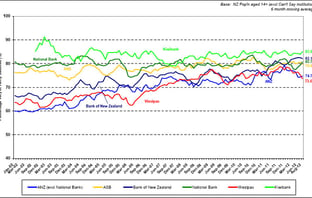
ANZ’s customer satisfaction levels have improved substantially since it took over The National Bank in 2003, says Roy Morgan’s Michele Levine. So she thinks the timing for a change is as good as it could be.

There were a few raised eyebrows when Telecom chose a turtle to play the role of brand mascot in the new Tommy and Boris campaign. And Vodafone has taken the opportunity to subtly poke fun at its major competitor with a cheeky wee number starring its spokesboy James Rolleston and a greyhound called metaphor.
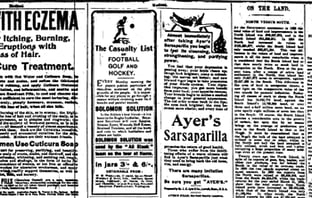
APN went to plenty of trouble to promote the recent changes to the New Zealand Herald and nzherald.co.nz, with a fancy TVC, a host of print and digital advertising and a microsite dedicated to keeping readers and advertisers informed. All up, the campaign had a ratecard value of $4 million (although it used its own media channels extensively). And, in what could either be seen as an example of how far newspaper marketing has progressed, or an example of how the newspaper industry didn’t need to do jack to maintain its readers and advertisers back in the day, it was slightly more advanced than the campaign the Herald ran to preview its last major format change in 1960.

The fusing of two financial entities that between them have nearly half of the population on their books is a massive—and massively complicated—task, both logistically in terms of back-end systems and emotionally in terms of assuaging customers’ fears through communications. It’s been in the planning for a while, of course, and in response to yesterday’s official announcement that ANZ would be phasing out the National Bank over the next two years, Whybin\TBWA is about to launch a big integrated campaign that “heralds the start of a new era for ANZ and reassures customers they will be getting the best of both worlds”.

In response to an article in yesterday’s Herald based around the fact that New Zealanders have little idea about how their personal information is collected and sold by ‘data brokers’, the Marketing Association’s chief executive Sue McCarty outlines the ways the local marketing community is balancing the protection of consumers’ rights with the right of marketers to add to their business’s success.
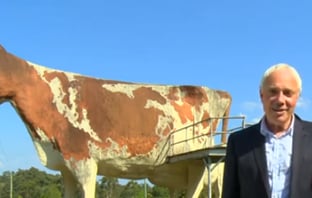
After a tender process that ended up attracting over 50 submissions, Sydney agency Iris was chosen to lead Christchurch and Canterbury Tourism’s push to bring Aussies back to the region after a 43 percent decline in visitor numbers since the earthquake. And it has launched a campaign based around a series of long-form mockumentary episodes, with Mayor Bob Parker playing on Australia’s love of oversized novelty structures and real-time images used to show how far the city has moved on.

Smaller, independent agencies are often going on about their nimbleness and agility in comparison to the big, internationally-owned full-service shops. And smaller, independent financial institutions are always going on about the level of service and local ownership compared to the big, foreign-owned banks. And the two things have collided with TSB and Special Group’s new campaign, which aims to make hay after the black horse has bolted and offers its support to soon-to-be ex-National Bank customers.

The vultures have been circling for a while now, and the official announcement that the National Bank brand is finally heading for the knacker’s yard and will be folded into its Australian-owned parent bank ANZ over the next two years, with remaining branches rebranded at an estimated cost of $100 million, marks what will be one of the biggest changes to the financial marketing landscape in over a decade. NZ Marketing ran a cover story on the looming disappearance of the black horse and what kind of treasures were up for grabs back in May. Here’s an edited version of that story.
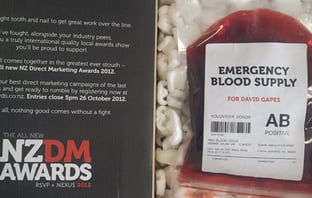
A lot of effort has gone into rehashing the RSVP & Nexus Awards. New categories have been added, judging has been tweaked, the entry process has been simplified and the whole shebang has been renamed as the New Zealand Direct Marketing Awards. And, appropriately, those responsible for the changes have attempted to draw attention to them—and show that ‘blood has been spilt’ to reach a consensus—with a nice direct campaign that included packs of fake blood. But when we opened our package this morning we couldn’t help but chortle at the irony of a direct marketing campaign promoting the new Direct Marketing Awards that was addressed to someone else.

PHDiQ’s Brendan Hewitt was one of two winners in Yahoo! New Zealand’s inaugural Digital Stars programme. And this opinion piece on the future of the digital realm earned him a trip to Ad:Tech in Sydney next year.

He’s a world-class academic, a gifted leader and a massive attribute to the marketing community. And now The University of Auckland’s Rod Brodie takes his rightful place in the TVNZ Marketing Hall of Fame.

From the 100% Pure New Zealand campaign to the launch of the Honda City, George Hickton has proven time and time again that marketing is a philosophy that underpins a business, rather than just a function within it.

By mobilising apathetic New Zealanders to see if they could get a better deal on their power, the What’s My Number campaign changed the electricity retail landscape.

Based on the nugget that Kiwis wanted homemade desserts without having to make them at home, Dollop has found a sweet niche. And, on the smell of an oily rag and with a good sprinkling of intuition, it has quickly become a nationally recognised brand and doubled its sales in the past year.

54 percent of Kiwi online shoppers now own a smartphone, according to PwC. And thanks to the search engines in their pockets they are likely to know things about your market before you do. This should put the mobile customer experience near the top of the to-do list for many companies and the MA’s September Brainy Breakfast, which, for the first time in several years will also be held in Wellington, focuses on five key mobile experience trends that will help get you up with the play.