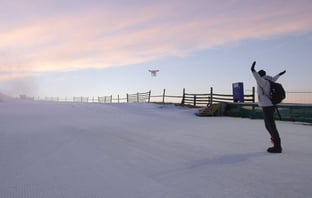
Adding to the avalanche of selfies, ‘dronies’ might soon be saturating the social media feeds of snow-goers, with a camera-equipped drone hitting the South Island ski slopes in Tourism New Zealand’s latest stunt.
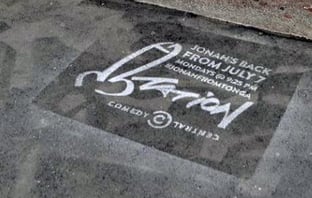
While tagging is often seen as an activity worthy of punishment, brands often seem to get away with it. BNZ and Unitec have done it in recent years. And Comedy Central got in on the stencil action recently to promote the new series of Chris Lilley’s Jonah from Tonga, which plays on Mondays at 9.25pm. But as a Sideswipe reader asked, why the hypocrisy and is it appropriate to have a big brand-sanctioned schlong on the streets?
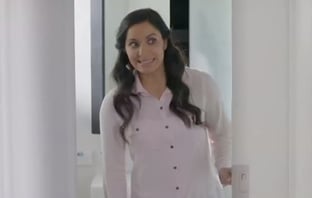
Back in 2010, tampon brand Kotex confronted the Netherlands and used the word vagina in an ad. Last year, Carefree followed suit and online tampon service Hello Flo went even further with a couple of hilarious spots. The same trend towards openness seems to be developing in the bum wiping sector, long a haven of rolly dogs, tacky euphemisms and smiling actors, and Kleenex Cottonelle has convinced comedian Madeleine Sami, someone who seems to revel in public displays of awkwardness, to get on board and spruik its moistened wipes to New Zealanders. PLUS: Why wastewater experts are waging war on ‘flushable’ wipes.
Green Cross Health, which owns the Unichem and Life Pharmacy brands and has a range of other medical interests, has announced the launch of Living Well, an owned media channel that is being produced and published in partnership with Tangible Media. The first issue of the quarterly publication will be released in September 2014 and distributed by name to 100,000 households in the defined target market, which will be drawn from Green Cross Health’s loyalty programme. An additional 50,000 units will then also be distributed via the pharmacy conglomerate’s network (phase two of the project will also see digital and social elements introduced). PLUS: What are the legal rules that govern content marketing of products that make therapeutic claims? Updated with answers from Brook Milbank, the head of marketing at Green Cross Health.
Over the course of the last week, the nation’s major supermarket chains have been embroiled in a discount battle that the Herald has dubbed ‘bread wars’. The first shots of this this retail skirmish were fired on 17 July, when Countdown dropped the price of its budget white bread from $1.48 to only $1, a discount that was immediately promoted via radio and television advertisements under the ‘Price Lockdown’ banner that has been giving Kiwis reduced prices since October last year. On the very day that Countdown dropped its bread prices, New World released a similar campaign and shortly thereafter Pak ‘n Save did the same. And this effectively served as the next phase of a back-and-forth discount battle that has seen both Foodstuffs and Countdown taking aim at each other in numerous campaigns.
A doffing of this week’s cap to Skinny, TVNZ, James Hardie and Red Bull.
Paul Catmur, the creative managing partner of Barnes, Catmur & Friends, shares his views on life, advertising and other annoyances, such as the unbundling of media.
Red Bull is a brand renowned for its pioneering approach to content marketing, but companies cannot live on content marketing alone and even Red Bull needs to pay to put its ads on telly occasionally. And it’s done just that with its latest global ad, which is running in New Zealand and features three Kiwi athletes—motocross champ Levi Sherwood, kayaker Ben Brown and mountain biker Brook Macdonald. PLUS: Red Bull’s new music programme Sound Select and the launch of redbulletin.com.
Channel idents have come a long way in recent years, with a lot more time, effort and investment being put into them in an effort to create signposts for the channel’s personality. And Brandspank, which has earned a reputation for its stellar work on channel brands, has just done its thing for Comedy Central New Zealand, with six very Kiwi, openly immature stop-motion idents that feature sliced kiwi, mangled sausages, turds in bags, flaming cow bums, brick-shitting possums and over-excited tomato sauce bottles.
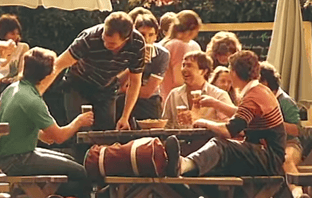
Carlton Draught has just started rerunning a 30 second TVC that originally aired in the the 1980s. With an action packed montage, perfectly poured beers and an impossible amount of enthusiasm, there is a lot to love here.
Industry happenings at Saatchi & Saatchi, Ultrafast Fibre, Travel Memo, MEA, Snakk and InMobi.
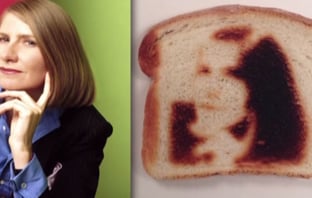
Karl Lagerfield called selfies ‘electronic masturbation’ and a number of studies have shown the compulsion to take selfies is actually a serious mental health condition. The online narcissicism appears to be continuing unabated, however, with selfie sticks seemingly flying off the shelves. But why simply post a classic duck face to your social networks when you could take it up a notch and burn your beautiful face onto a piece of toast.
Lydia Ko took out her fourth professional win yesterday, making the 17-year-old golfing phenom the youngest ever player to make it to US$1 million in prize money. ANZ sponsors Ko (and the ANZ Golf Show) and it’s celebrating her win with a simple social game via Whybin\TBWA that offers Facebookers a chance to win $2000 if they can guess where she’s hit her tee shot.
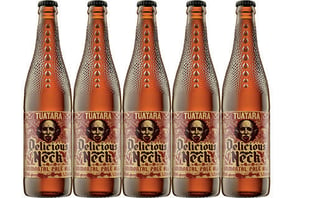
Following on from the 2013 redesign of its bottle, Tuatara has once again played around with the aesthetics of its beer-carrying devices—and this time the company has received a helping hand from the vampires behind Kiwi mockumentary Delicious Necks.
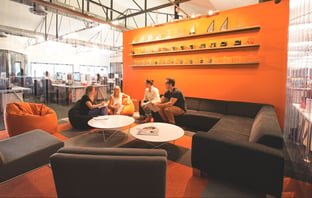
Much like Clemenger Shop today, .99 originally shared office space with Colenso BBDO. However, while Clemenger’s new shopper marketer offering is still in its infancy, .99 has since moved out of its first home on College Hill and now employs over 120 people at a formidable space on Richmond Road. And given that the impressive office was refurbished back in 2008, StopPress decided it was time to have a look behind the scenes.
One of the country’s larger PR companies, SenateSHJ, has merged with PR Partners in Auckland, bolstering its expertise in consumer and ICT sector and making it one of the largest privately owned communications consultancies in Australasia.
Flossie chief executive Jenene Crossan was recently asked to present a talk at the Moxie Sessions about what the next 25 years of the internet will hold for our favourite perky nation at the edge of the world. Can we stand up against the mega-trends, or will we drown in a sea of animated cat gifs? And what difference will the internet actually make to our lives? Here’s her response.
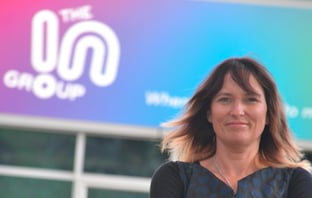
At its essence, on-site marketing is about getting a message in front of consumers at a time when they are most susceptible to purchase. And while this might seem simple enough, Chris Coffey, the founder of the In Group, explains there’s a little more to it.
The New Zealander who helped give human faces to creatures in movies like Avatar and King Kong has teamed up with an Auckland company making airport software to develop an avatar for self-service check-ins. And there’s plenty of scope for more robot-human interactions in retail, marketing and pretty much everywhere else.
Uber may not be flavour of the month with the powerful taxi industry, but it’s gaining plenty of fans around the world, including Google, which invested US$258 million in it last year. And, as part of a global promotion, it’s hoping to draw attention to the on-demand driver service by offering Aucklanders a chance to have some of Auckland’s finest ice cream delivered to their door.
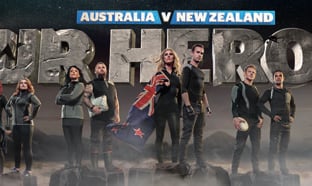
Over the course of the last few weeks, TVNZ has been riling up support of the Kiwi masses via a serious of humorous TVCs in anticipation of the cross-Tasman battle that will soon see team from New Zealand take on Australia in the latest rendering of The Amazing Race. The campaign has now been shifted into its next stage, which features a cross-Tasman tug of war and a mini Amazing Race featuring local celebs. PLUS: see which records were broken by the premiere of Resurrection.
Our weekly wrap of good things, strange things, funny things and other things from inside the intertubes.
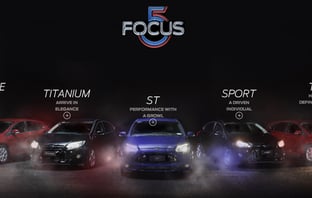
Air New Zealand cooked up a wee gem with its cheesy synchronised skiing clip a few weeks back. And Ford and JWT have also embraced synchronicity with a new campaign aimed at drawing attention to the five cars in its Focus range.
A new kind of documentary may be coming to a screen new you. the difference with this one is that it is all about Emojis, those entertaining, little images such as the smiling poop.
Dr Jane Cherrington, ex-head of the Mental Health Foundation, founding partner at now 16-strong agency String Theory, research director at The Briefing and self-confirmed ‘catalyst’, wants Kiwi businesses and marketing departments to thrive, adapt and do good. Here’s how.
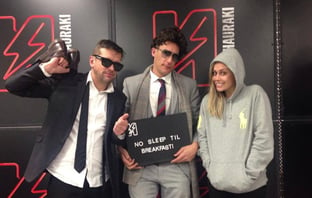
Radio Hauraki’s newish breakfast team has been getting plenty of love recently, largely as a result of the brilliant Like Mike segment, in which Jeremy Wells channels his inner Mike Hosking in an effort to improve its position as the 13th most-listened to breakfast show in the country. And the station is continuing that quest and aiming to improve its standing in the eyes of those who respect sleep deprivation and alcohol-based fun with a 24 hour stunt called #nosleeptilbreakfast, which saw the hosts take a trip to Waiheke, visit salubrious tourist haunts like Showgirls and SkyCity, hug Leigh Hart’s dog, stay awake and booze all night and then bravely/foolishly do their morning radio show.
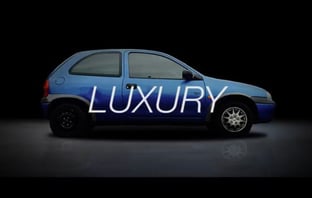
Automotive marketers, the bar has been raised, because David Johns of Australian agency Chimney has put together a stunner of an ad to sell his 1999 Holden Barina. PLUS: other glorious homemade car ads.
Around one year after launching, One Plus One Communications has signed up as an affiliate of Publicis Groupe-owned MSL Group, which has more than 100 offices in 46 countries. And founder and managing director Kelly Bennett says the deal means it will be able to offer international muscle to local clients if the need arises, add international clients requiring assistance in this market to its roster and potentially work with other Publicis Groupe agencies in New Zealand.
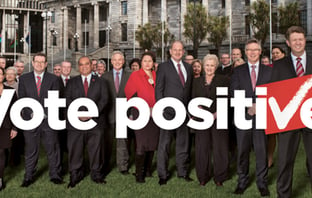
As in 2011, government once again handed out $3.28 million dollars to the various political parties. But while the spoils remained same, the number of recipients increased from 11 to 17 political parties for this year’s allocation. The question now, however, is what the parties plan to spend the money on, and what they hope to acheive through their pre-election campaigns. So, in an effort to find out a little bit more about Labour’s promotional moves, we sent a few questions to the party’s campaign manager David Talbot. Here’s what he had to say.
If you believe the NZ on Air media consumption study, music is moving online faster than other content. But you can still reach 83 percent of the country over a week with radio and approximately one in ten New Zealanders each day across just four stations, RNZ National, The Edge, ZM and Newstalk ZB. As a result, the ad spend figures for radio are holding firm. And two brands have used the medium in interesting ways recently, with World Wide Fund for Nature putting an ad inside a song for its Last 55 campaign and Land Rover going long to celebrate its heritage.