
News

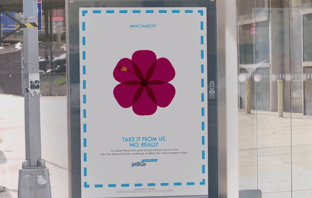
When theft results in reward instead of punishment
Airline JetBlue has encouraged a bit of petty theft in a recent campaign where its ad posters urged passers-by to take their ads ‘literally, literally’.

Airline JetBlue has encouraged a bit of petty theft in a recent campaign where its ad posters urged passers-by to take their ads ‘literally, literally’.

Following on from its last campaign ‘It’s a trap’ where Truth pointed out that social smoking is still smoking, it is again effectively pointing out the obvious that if people continue to buy cigarettes, tobacco companies continue to roll in the money.

Peer-to-peer lending site Harmoney launched last year in the Kiwi market with an ambigram as its logo and a quirky cartoon TVC by Barnes, Catmur & Friends that compared conventional loan agencies to sharks. However, this launch identity—and the creative approach that accompanied it—is history now, as Harmoney has changed both its creative direction and its logo in a new ad campaign, which makes the company look more like a conventional loan company than an industry-disrupting startup.
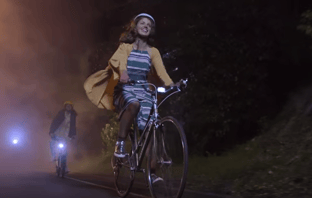
Bouquets for Hyundai, Tip Top, Paspaley, Bay Audiology and Valspar this week.
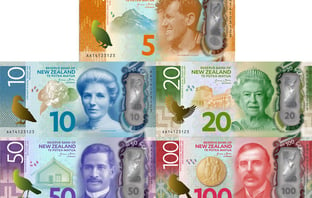
While the news has been filled with reactions to the flag, our newly designed bank notes seem to have taken a back seat. They aren’t cheap either, at a ‘mere’ $80 million, and if we are looking at shedding the shackles of the monarchy in the form of the Union Jack, should the Queen be departing our bank notes too? And what about core design principles. Do our notes stack up to the aesthetics of those from other nations? We talk to designer Brian Slade, creative director for Insight Creative for a commentary on another facet of New Zealand’s branding, our currency.
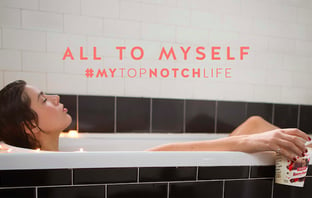
Every year, in the lead up to summer, the major ice cream brands operating across the nation, release new flavours in a bid to attract consumers that search for respite from the heat in the shape of frozen dairy products. And for this year’s edition of the frozen aisle battle, Fonterra-owned Tip Top has added a new contender into the mix by launching the Top Notch range of premium ice creams.
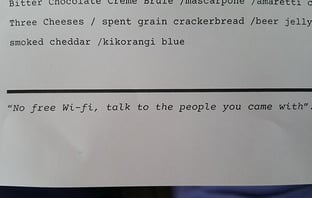
That shiny rectangle in your pocket is an amazing piece of technology. But there’s a growing sense that we’re becoming far too attached to our phones, to the point where we seem to be happy to sacrifice real human interaction for a poke, a scroll and a quick game of information pokies. And Hallertau Brewery in Riverhead has taken a stand against the use of these magical cubes of distraction at its establishment and is aiming to promote actual conversation.

As part of a content partnership with MediaWorks, we’ve asked a few of the company’s programme directors about the performance of their brands, the state of radio and the importance of digital channels. And the rising tide of hip hop and RnB in popular culture is lifting the Mai FM boat along with it and attracting a big, young audience around the nation, says Philip Bell.
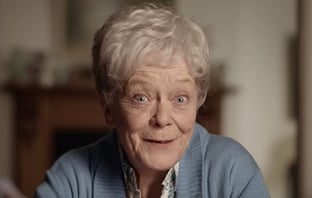
The decision to place an aged loved one into assisted care is never easy. On the one side you have the pride of the the grandmother or grandfather, who has been independent for longer than their children have been alive. And then on the other side, you have the children who don’t want their parents to feel as though they’re being imprisoned in a home. And in its new TV ad by Rainger & Rolfe and Film Construction, Oceania Healthcare addresses this awkward situation by showing that sometimes both the parents and their children are on the same page without realising it.
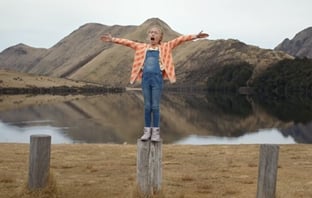
Hyundai has launched a new campaign for its latest Tuscon model with a TVC featuring a young girl who urges Kiwis to ‘Get lost’ in New Zealand. Hyundai is blowing the same horn it has for a while, pushing its family-sized vehicles by promoting family-fun time.

Manual. Inefficient. Iterative. The operational issues that plague the digital media industry are well known. These inefficiencies cost both time and money. Automated Guaranteed is changing that, bringing buyers and sellers together to trade premium digital media at scale.
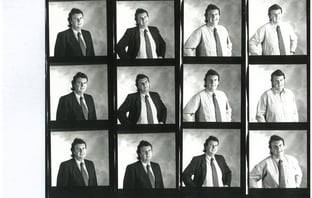
Following the news that one of the ad industry’s most loveable rogues David Walden went to, as his good friend and rival Mike Hutcheson said, “the big restaurant in the sky” over the weekend after a short battle with cancer, we’re republishing a story that originally ran in the March/April 2012 edition of NZ Marketing. When Walden opened Whybin\TBWA in 1997, Vincent Heeringa wrote an article predicting its swift demise. At the time, the big man joked he’d sue unless he was taken out for lunch. So Heeringa finally did the honourable thing around 14 years later and chowed down on some (typically expensive) humble pie.
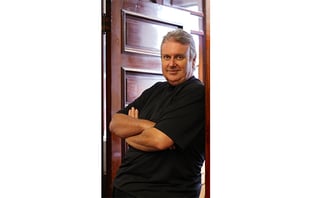
Though advertising legend Dave Walden passed away this weekend, he will live on forever in the stories of those who shared moments with him during his 66 years. In this series of tributes, we invite friends (and foes) to share their stories, anecdotes and thoughts on the life of ‘The Great Waldo’.
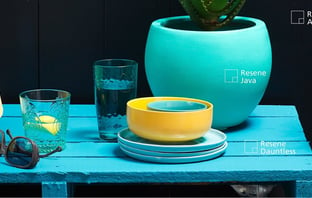
In the second instalment of a series that showcases how some of the winners from this year’s Magazine Media Awards are adapting to the modern era and helping advertisers grow their businesses, Damien Venuto talks to the team behind the owned media title of the year, Habitat.
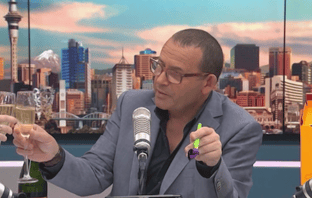
The annual radio ratings are out, and naturally competitors NZME and MediaWorks are flagrantly (and funnily) gloating about their achievements, using their most popular radio and media personalities to spread the news.
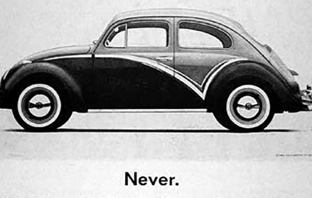
When it comes to corporations, history shows that consumers tend to forgive accidents—and even stupidity. But willful deception is another kettle of fish. And Volkswagen inventing technology to cheat on its emissions tests is about as willful and deceptive as it gets (if it wasn’t so evil, you could almost applaud their inventiveness). So far, it has had a major impact on Volkswagen’s share price (and other car brands’ share prices), it is getting ready for a recall of 11 million cars, billions of dollars in fines are on the cards and the first of what could be many lawsuits have already been filed. Some believe it could bring Volkswagen to its knees. So can the company recover from this reputational car crash? And what can marketers learn from the saga?
The radio survey results period has over the year come to be typified by a markedly partisan response from NZME and MediaWorks, heavy drinking by the ratings winners and, quite often, even heavier drinking by those who weren’t as lucky in the results. And given that the NZME-funded T1 survey didn’t have the backing of MediaWorks, tonight’s results party is poised to be a big one. But this tradition of two massive annual blowouts (only one this year) is set to change, as results reports will be released more regularly from next year. We look at some of the biggest losses and gains in the latest survey.
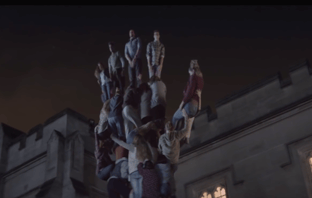
Ads for universities have always been a bit cringey, but the Universtiy of Melbourne has helped break the cycle with a creative spot about ‘What happens when minds collide’.
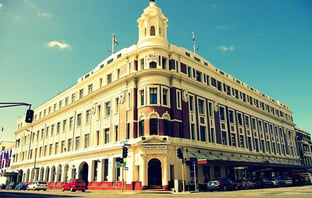
In conjunction with News Works, the Up Country series talks with some of New Zealand’s top regional newspaper editors about the performance of their titles in print and online, the role local news plays in regional communities, where they see the industry going and why advertisers should stick with them. First up, Barry Stewart, the newly appointed editor of the Otago Daily Times.
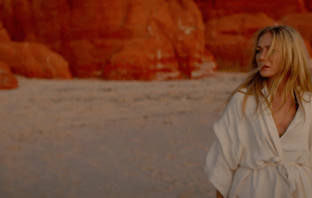
Paspaley Pearls and Special group have teamed up for yet another artistic collaboration following their original short story and multimedia campaign last year. This year they’ve created ‘Behind the Lens’, a 10-minute fictitious short film, directed by a Cannes Festival-winning director and starring British actress Clara Paget.

When newspapers published images of two-year-old Aylan Kurdi, drowned, lying facedown, the world was stirred and finally realised—or perhaps remembered—the horror of the Syrian conflict. But this isn’t the first time images have significantly changed public discourse. As the following five images collated by Getty Images’ Stuart Hannagan show, images have time and time again laid bare the uglier side of life. (Warning: this article contains material that may offend some).
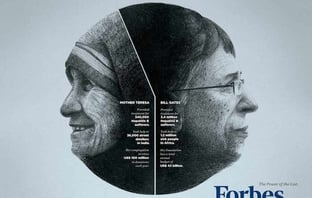
Our weekly wrap of good things, strange things, funny things and other things from inside the intertubes.

Over the years, the Valspar brand of paint products has expanded into countries throughout the world, and New Zealand was recently added to this list. And to announce its arrival in the local market, the paint company has commissioned FCB to produce a campaign capable of cutting through to consumers who already have many other choices in this category.
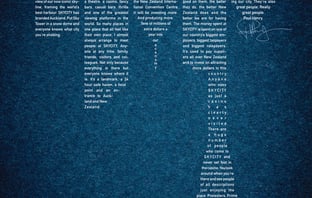
Whether it’s paying stars to show off diamonds in public, paying stars to mention a brand in their latest song, paying stars to talk up your new product to their fans, or paying for the host of a podcast to read out your ad, brands have been using the power of endorsement to influence perceptions since ages ago. In the world of hospitality, having the right people at your establishments is important if you hope to lure the crowds. And it’s no secret that Skycity ‘incentivises’ a range of famous Kiwis to do just that. But now it’s taken that one step further by getting them to write—or at least put their name to—long copy ads that wax lyrical about the company’s assets and its impact on Auckland.
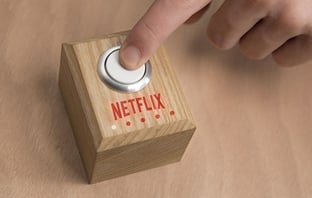
We have cars that can drive themselves, fridges that know when we’re out of milk and sensors that can tell if your elderly relatives have taken their pills. Now, for those who also want their binge watching smartened, Netflix has given the world a button that can turn on your TV, dim your lights, silence your phone and even order food.

Spanish clothing and accessories retailer Paul & Bear has launched an innovative that has been created through the musical efforts of six bands across the world. To kick off the initiative, Paul & Bear approached Australian band Sheppard to create an exclusive song to feature in the campaign. Thereafter, the retailer commissioned six different bands, all in different locations, to produce covers of the song—and this content was then spread through social media.
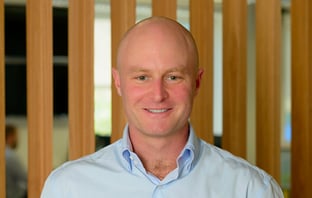
Until now, retargeting campaigns have proved challenging on Apple Safari browsers because cookies are disabled by default. So, in a bid to overcome this issue, AdRoll announced a new product earlier this week that the company’s managing director for the ANZ region Ben Sharp says will give advertisers the ability to retarget via Apple devices.
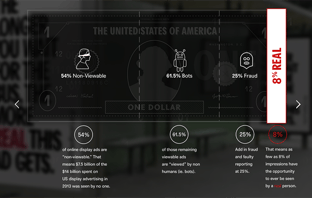
There’s a whole heap of money flowing into digital media at the moment—and that pot just seems to keep getting bigger. But there are a fair few concerns being raised about whether that money is being spent wisely, whether it’s due to bot fraud, dodgy metrics or viewability issues. Recently, one of the world’s most powerful ad men, Sir Martin Sorrell, said he thought the pendulum had swung too far towards digital and it was time for marketers to reconsider the effectiveness of traditional media (which seemed to warm the hearts of many harried publishers and broadcasters). And in New York during Ad Week celebrations, the US outdoor industry body has launched a clever campaign making the same argument by pointing out that digital has a reality problem.
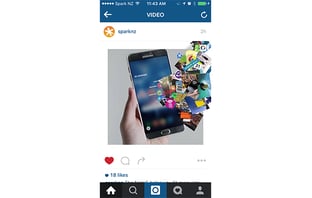
Earlier this month, Instagram kicked off its local ad offering with launch partners Burgerfuel, Air New Zealand and Sky TV, which have each been running campaigns through the platform. And now, following on from a relatively short testing phase, Instagram has extended its advertising options to all Kiwi brands. And Spark has joined the fun by launching a campaign that uses 3D technology.
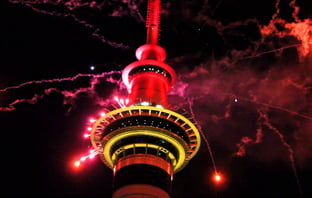
In a multicultural city like Auckland, Chinese New Year is an important and anticipated event for many. And Skycity saw this as an
opportunity to attract visitors by working collaboratively with its range of businesses.