News

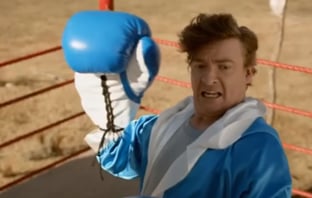
2degrees shifts to Special
TBWA\ has been in the trenches with 2degrees since it started in 2009. But that fruitful relationship has come to an end, with Special Group coming out on top after a competitive pitch.


TBWA\ has been in the trenches with 2degrees since it started in 2009. But that fruitful relationship has come to an end, with Special Group coming out on top after a competitive pitch.

An Achilles’ Heel of the outdoor industry is its perceived lack of measureability and targeting. But iSite Media has taken a big step to remedying that, with the launch of a suite of products that claim to deliver highly targeted outdoor media solutions and offer media agencies better campaign planning tools. Plus: Andrew Renholds gets his spy on.
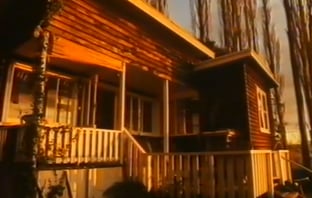
These days the idea of New Zealandness is a dime a dozen in advertising. But it certainly wasn’t always that way, with British accents and values typically being favoured in the nation’s early television advertising. Colenso’s ‘Who are we’ campaign for BNZ in 1990 is widely regarded as one of the first to “consciously reflect a distinctive New Zealand identity”. And for the first time that full series is available to view online.

Toyota is renowned for creating brave, entertaining and memorable advertising that resonates with New Zealanders. And it continued that trend last year when it introduced the nation to a car-loving cat called Alloroc, the furry star of the ad that took out the 2013 StopPress/MediaWorks TVC of the Year Award.

Cadbury’s dreams, Regina’s first world problems and TVNZ’s draining of the talent pool make the playoffs.
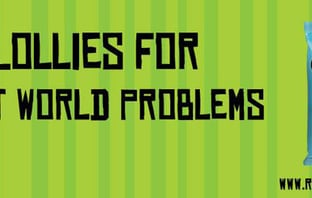
Regina, one of New Zealand’s original confectionery brands, has been laying dormant since 2001. But it has now been reborn, with a new look, some quirky new Kiwi-fied products and a new ad campaign that focuses on the first world problem-solving ability of its creations.

After a competitive pitch, it’s thought Shine has won the Goodman Fielder dairy business, which means it has said goodbye to Fonterra.

The latest readership and circulation numbers are out and they have continued to go in the wrong direction for newspapers, with every major paper down on both counts when compared to last year and to the last survey result three months ago.
Since it was switched on around 23 years ago, Sky has grown into the country’s biggest media company, with almost half the country signed up to its services. For the past few years, its default brand statement has been ‘Your Happy Place’ and DDB’s comms around that idea have been top notch. But it’s started to roll out its new brand identity, which features the tagline ‘Come With Us’ and aims to bring the work of the broadcaster to the fore.
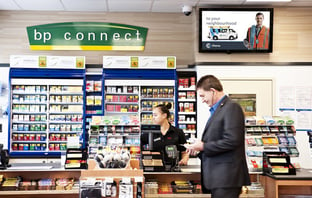
There’s been plenty happening in the digital signage space recently. Prices for screens are coming down, big global players are making big orders and digital-out-of-home is responsible for a lot of the growth in outdoor sector around the world. APN Outdoor just launched the country’s first digital billboards in Auckland. And Ngage is also riding that wave, with a recent roll-out of digital signage across the BP network and some big projects on the go.
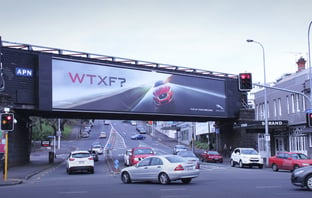
Jaguar drivers seem like they’d probably be more familiar with ‘tally ho old chap’ than ‘OMG! LOL!’. But that hasn’t stopped the premium car brand and its agency Big from using the line ‘WTXF?’ in a new campaign for its XF model that’s appearing on super-sized billboards in the main centres and on extra large online banners.
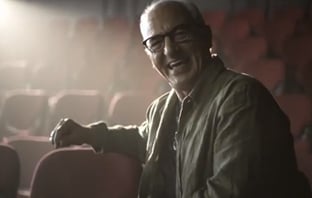
Kiwibank, Otago Uni and Telecom get a street parade in Hamilton this week.

He led the project to bring the National Bank and the ANZ together. And he led it bloody well. But now head of marketing Mike Cunnington is off for a new adventure within government.
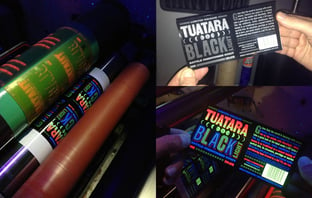
Paper has had a pretty rough time of it recently, with big printing company closures, publishers haemorrhaging cash and direct mail struggling to get the same amount of attention that other ‘sexier’ channels like online or TV get, despite NZ Post’s recent study into its effectiveness. But advances in printing technology mean there are a number of creative possibilities now available, and a few recent Kiwi examples have caught our eye.
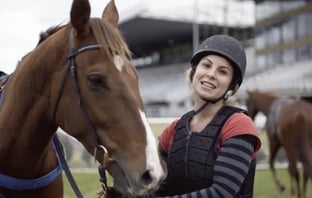
It’s not often you see an ad that mentions the brand’s competitors more than the brand that paid for it. But that’s exactly what Kiwibank and its new agency Assignment Group have done with its ‘Every revolution needs a leader’ campaign, which puts the spotlight on some of the 800,000 New Zealanders who have switched to the bank since it kicked off 11 years ago.
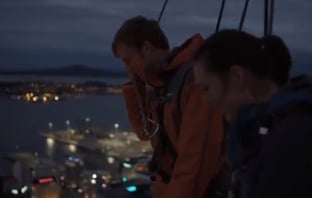
While Telecom is currently focusing on the advertising of its major competitor, with proceedings lodged today in the High Court over aspects of what it believes are misleading claims in Vodafone’s recent SuperNet campaign, it will be focusing on its own advertising come Sunday night, because it’s launching a new campaign for its Business Hubs, the local (and often locally-owned) business-only locations offering services and products to SME customers.

Our weekly wrap of good things, strange things, funny things and other things from inside the intertubes.
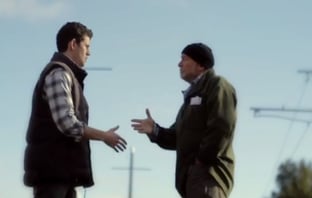
Academic advertising isn’t typically renowned for its creativity and often tends to focus on the facilities or the wonderous achievements of its students. The University of Otago certainly does a bit of that, but it’s also continuing to push the uniqueness of the southern student experience and, after a big research project to see if it was still on the right track with its ‘Take your place in the World’ campaign, Zephyr has given it a refresh.

After a competitive pitch, Flight Centre has chosen DraftFCB Media as its new agency.
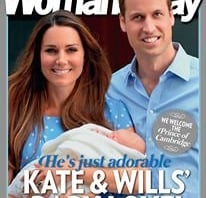
Some saw the feverish excitement—and feverish media attention—over the arrival of the royal baby as a sad indictment on humanity. Others saw it as evidence of the rising appeal of the British monarchy in New Zealand and around the world. And more than a few local media outlets and their advertisers saw it as a chance to capitalise on all the extra eyeballs, with Bauer Media pulling out all the stops to get its ‘Souvenir Issue’ onto the shelves five days earlier than usual.
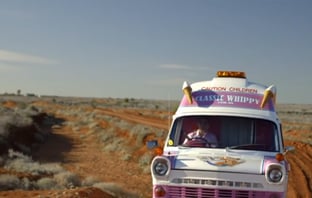
Audi, Warehouse Stationery, Sony and a Vietnamese hospital get a gold star this week.
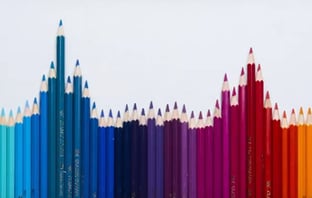
Warehouse Stationery has embarked on its biggest brand transformation in 22 years, and it’s all about the new, with a new logo, new colours, new instore environments and a new brand campaign from its new agency .99.

Advertising largely exists to draw attention to products and services. But communications can also help foster social change, and DraftFCB, an agency with an undoubted strength in this area, is aiming to do just that by offering 1000 hours of comms expertise to an organisation that’s focused on reducing child abuse in New Zealand.

The global ad industry has moved closer to a duopoly with the proposed merger of Publicis Group and Omnicom set to create the world’s biggest ad network, beating out WPP. But, according to DDB Group’s executive chairman for Australia/NZ Marty O’Halloran, the creation of a company valued at US$35 billion with revenues of US$23 billion is unlikely to have much of an impact on the local agency landscape.
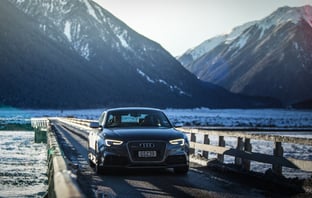
Last year, after six years in second place, BMW knocked Audi off its perch and reclaimed the top selling premium car mantle in the New Zealand market. But Audi isn’t far behind, it’s still growing and it’s decided to tap into the nation’s patriotic fervour with one of the German brand’s first locally shot campaigns.

Over the past year or so, the Ministry of Business, Innovation and Employment has been on a mission to assemble a panel of trusted advertising soldiers to join its army, just as it has done with a range of other suppliers. After a bit of a delay, it released the longlist in February. And now the final list has been released, with 37 agencies in the mix. But not everyone’s happy with the end result, or the process used to create it.

Audio visual content is still arguably the best way to convey emotion, tell stories and flog things. And, as evidenced by its position atop the ASA ad spend charts—and despite all the rhetoric and predictions of death—the telly is still a bloody popular advertising medium in this country. The advertising that appears on it is not always good, of course, but in an effort to celebrate what we feel are some of the best efforts of the past year and a bit, we’re asking our audience to choose their favourites as part of the StopPress/MediaWorks TVC of the Year competition.
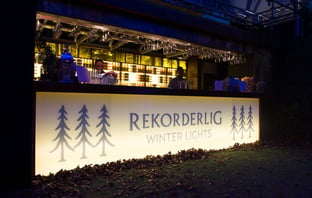
Rekorderlig Cider has brought a piece of Scandinavia to Auckland’s Shortland St with the arrival of a Swedish-themed bar and restaurant that will be open to the public for just ten days. All up, around $400,000 was spent on constructing and promoting the tree filled, wood-panelled Winter Garden. And when you look at the growth of cider in New Zealand and around the world, that seems like a pretty good investment.
The New York Times recently won a Pulitzer Prize for feature writing for its brilliant interactive journey through an avalanche, Snow Fall. It’s continued down that path with another interactive—and gutwrenching—story about Jeff Bauman, the man who had both his legs blown off after the Boston bombings. But Fairfax can play the long-format game too.

Every year for the past eleven years, teams of furious filmmakers—some amateur, some professional—from around New Zealand have given up two days of their lives to partake in the Rialto Channel 48 Hours, “New Zealand’s largest guerrilla filmmaking competition”. 44 teams took part in 2004 and more than 800 took part this year. And a team with some strong connections to the world of marcomms were named as grand champions.