Media expert Antony Young rounds up media news from beyond Aotearoa in a regular column for StopPress.
This week:
- The organisers of Cannes have pledged tighter rules and AI safeguards for its future awards ceremonies after a series of controversies from the 2025 festival.
- Listing a product as “AI-powered” may actually discourage consumers from buying it, says new research.
- Australia has ordered Google and Bing to introduce safety features to better protect young people from seeing harmful content online.
- Digital out of home now accounts for 39% of global OOH revenue.
- AI has hurt the valuation of some global advertising holding companies.
- US president Donald Trump continues to wage war on the media, with a troubling lack of resistance.
Cannes Lions 2025 plagued by misrepresentation, AI misuse and greenwashing
Cannes organisers pledged tighter rules and AI safeguards for future entries as its 2025 Festival was rocked by a series of award controversies, with multiple agencies facing accusations of misrepresentation, AI misuse, and greenwashing.
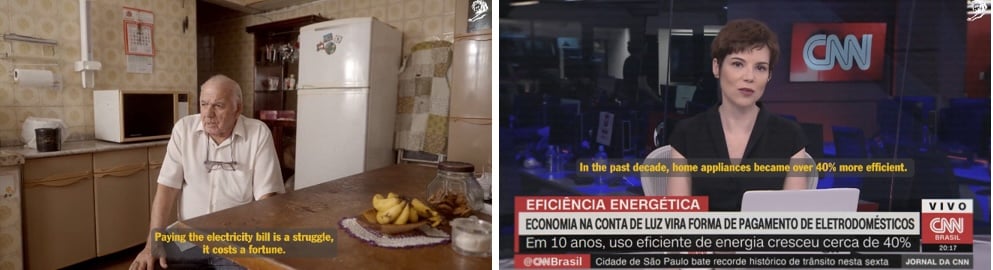
The highest profile case was Brazil’s DM9, which returned its Grand Prix and other awards after admitting to using AI-generated and manipulated content in case films, including unlicensed CNN footage. LePub São Paulo’s Bronze-winning “Followers Store” campaign came under fire for unverifiable sales claims and possibly doctored influencer footage. Gut Amsterdam’s Gold Lion for “Don’t Drink Hertog Jan” was challenged for overstating its creative role, allegedly building on earlier work by other agencies, while India’s Talented was accused of greenwashing in its sustainability-themed billboard campaign for Britannia.
Awards veteran Wayne Deakin weighed in with colourful terms in Adweek to stop blaming judges or award shows for lapses in truth, emphasising that the responsibility for honesty lies with everyone in the creative process.
Research says brands need to re-think promoting ‘AI-powered’
Promoting products as “AI-powered” may actually discourage consumers from buying them, especially when the items are perceived as high-risk, such as cars or medical services, according to recent research from Washington State and Temple universities.
The study found that consumers were more likely to trust and prefer products labelled with general tech terms like “cutting-edge technology” rather than “artificial intelligence.” Emotional responses, mistrust, and confusion over AI’s role were key reasons, particularly when the benefits of AI weren’t clear or raised privacy concerns. A separate survey by Parks Associates confirmed similar attitudes, with younger consumers being slightly more receptive, but overall only 18% of Americans said AI would increase their likelihood of purchasing a product, while 24% said it would make them less likely.
Australia orders Google and Bing to introduce safety search measures for youth
New Zealand marketers advertising into Australia will need to review their digital media strategies to adapt to a more regulated, safety-first environment. By the end of 2025, Australia will require search engines like Google and Microsoft to implement age verification for logged-in users, automatically activating SafeSearch for those under 18 to filter harmful content.
Part of the country’s new Online Safety Code, the regulation aims to protect minors but has significant implications for marketers particularly those targeting younger demographics. Advertisers will face tighter restrictions on audience targeting, while compliance and privacy standards will become more stringent.
Digital OOH now 39% of global OOH revenue
Global out of home (OOH) advertising spend reached a record $75 billion (NZD) in 2024, up 10% from 2023, according to the World Out of Home Organization’s Global Expenditure Report.
This represents 4.8% of global ad spend. Digital OOH (DOOH) now accounts for 39% of global OOH revenues, driven by strong investment in markets like Australia, the UK, and China. Programmatic DOOH also gained traction, reaching $1.7 billion, 9.4% of total DOOH and is forecast to grow further in 2025.
Global agency holding companies valuations hurt by AI
Note to agency execs: watch what you say at Cannes!
After dozens of agency meetings at the Cannes Lions festival, Barclays downgraded several major advertising holding companies including Interpublic, Omnicom, and WPP, citing continued low growth as the industry undergoes a fundamental shift due to artificial intelligence. Analysts noted that AI dominated discussions but offered little near-term optimism, raising concerns over billing models, automation, and client disintermediation.
While the firm believes agencies will eventually adapt and thrive, it expects sluggish growth of around 2% to persist. Other analysts, including from BofA and Goldman Sachs, were more optimistic, suggesting AI could enhance ad targeting, lower entry barriers, and eventually drive long-term industry growth.
Paramount, Disney and now CNN forced to defend attacks by Trump
While the US President Donald Trump attempts to broker cease fires in Ukraine and the Middle East, he continues to wage war against US media. His ongoing attacks on the media during his second term are intensifying, with critics warning that freedom of the press is eroding amid a troubling lack of resistance.
A recent $16 million settlement by CBS News’ parent company Paramount over Trump’s bias claims from a 60 Minutes interview with Kamala Harris — and a similar $16 million payment by Disney regarding comments by ABC anchor George Stephanopoulos about Trump’s sexual assault verdict — have alarmed watchdogs and figures like Bernie Sanders, who argue such moves appease Trump in hopes of regulatory favour.
Trump is also suing the Des Moines Register and pollster Ann Selzer for publishing a poll unfavourable to him, and his administration has threatened legal action against CNN over its reporting on an app that warns immigrants of nearby enforcement agents. Observers warn that corporate media owners, motivated by profits and regulatory approvals, are compromising journalistic independence, allowing Trump’s assault on the media to gain ground with minimal pushback.