Media expert Antony Young rounds up media news from beyond Aotearoa in a regular column for StopPress.
This week:
- The Upfronts reveal the biggest trends in US television, including the shift toward live sports and AI-driven advertising.
- Google has dethroned Apple as the world’s most valuable brand.
- FIFA is giving the World Cup final its first-ever halftime show.
- AI is accelerating the shift from hourly billing to fixed-fee pricing in North American agencies.
- Most Aussies worry about AI-generated ads but can’t reliably identify them, fuelling calls for mandatory disclosure.
US networks bet big on live, later and less
The Upfronts, New York’s annual week-long spectacle, is when US television networks pitch their upcoming slates to advertisers.
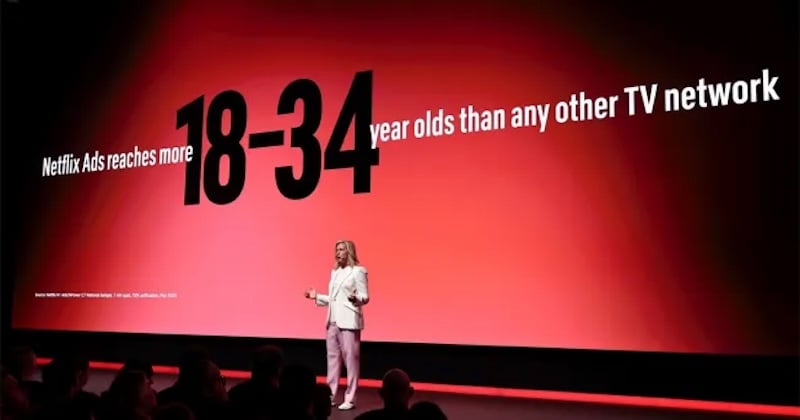
What gets announced here shapes what Americans watch, what brands pay for, and increasingly, how streaming platforms compete with traditional broadcast. The biggest television headlines from the week are:
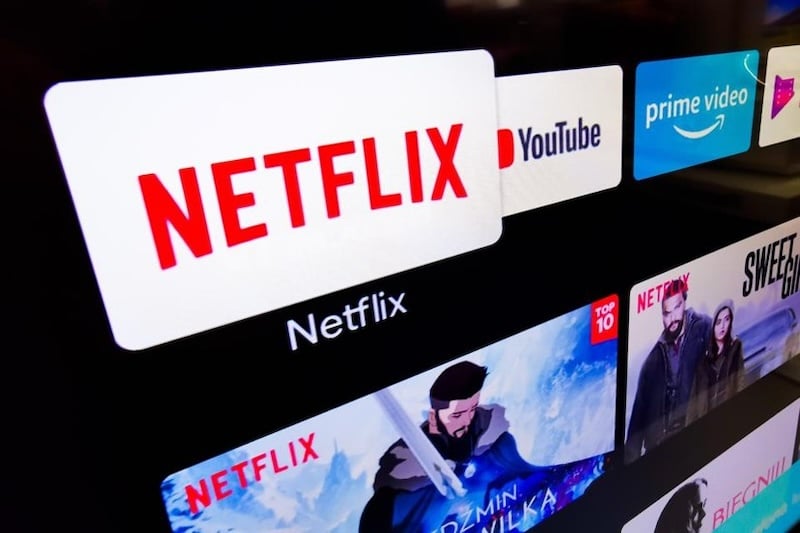
- Live is the new on-demand: NBCU is rolling out 7,500 hours of sports programming and Netflix is betting Christmas Day NFL will create appointment viewing. In a fragmented streaming landscape, live events are the last remaining audience glue. Sports dominate so much primetime now that the old autumn TV season playbook is dead. Just six new shows launch in autumn across all networks, most are waiting for post-football real estate.
- AI ad tools: Warner Bros. Discovery is rolling out AI-powered ad tools that match commercials to specific scenes in shows and movies. The company’s AI agents will let brands deliver ads based on whatever content just played onscreen.
- Network comedy is on life support: Only three new sitcoms made it onto network schedules: Eternally Yours at CBS, Sunset P.I. and Newlyweds at NBC. Fox is down to one live-action comedy and told reporters it’s “reassessing its financial model” for the genre. ABC’s thrilled with its Scrubs revival but has no room for more half-hour shows. Streaming however is producing strong comedy. Netflix’s Running Point hit in Season 2, HBO’s The Rooster posted strong ratings, Apple turned Shrinking into a hit and Ted Lasso is returning. HBO is also betting big on Stuart Fails to Save the Universe, a Big Bang Theory spinoff.
- Netflix floods, HBO curates: Netflix is going full quantity. 100+ new titles, constant drops, a “more is more” philosophy. HBO Max went the opposite direction being much more selective. “No one wants more content,” says HBO CEO Casey Bloys. “They want better content.”
Google is now the world’s most valuable brand
Google dethroned Apple as the world’s most valuable brand for the first time since 2018, surging 57% to $1.5 trillion on the back of Gemini AI integration, while ChatGPT posted a 285% brand value jump and Claude cracked the global top 100 at #27 in Kantar’s BrandZ rankings.
Kantar says it’s old-school brand marketing that drove the wins, pointing to ChatGPT’s emotion-driven ads and Claude’s B2B positioning (including that Super Bowl spot) as proof that even in the algorithm age, brand-building still decides who dominates.
FIFA chases Super Bowl magic
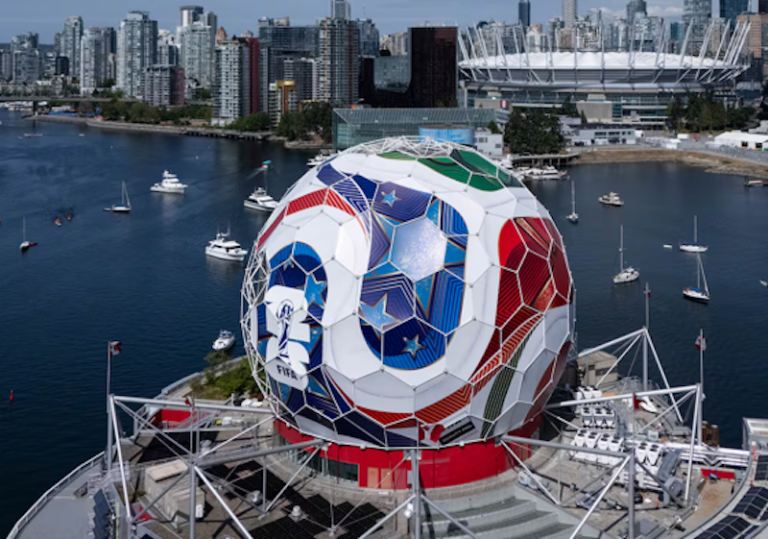
FIFA is giving the World Cup final its first-ever halftime show, featuring Shakira, Madonna and BTS onstage on July 19 at MetLife Stadium in New Jersey.
It’s a lift from the Super Bowl playbook, transplanted into a sport that traditionally uses the break for tactical adjustments and ad sales, not spectacle.
Coldplay’s Chris Martin announced the lineup with help from Elmo, Cookie Monster and Miss Piggy, a surreal touch that signals just how much FIFA wants to own the cultural moment, not just the match.
The wrinkle: soccer halftime runs 15 minutes, roughly half the Super Bowl window. Last year’s Club World Cup test run with Doja Cat stretched to 24 minutes, which required referee approval under FIFA’s own rules.
Shakira has dropped the official World Cup song with Burna Boy, Madonna is releasing an album July 3, and BTS just ended a four-year hiatus. All three are riding coordinated release cycles into the broadcast. The show benefits Global Citizen’s education fund, but the real play is clear: FIFA is Americanising the final, and betting a mega-watt lineup can pull eyeballs through the break the way the Super Bowl does.
One in four agencies ditch hourly billing
AI is not just changing how work gets made. It is forcing a more uncomfortable conversation about what clients are actually paying for: time, outputs or value.
Twenty-five percent of North American agencies have shifted exclusively to fixed-fee pricing, according to a Forrester and Dentsu Creative study of 356 marketing and procurement leaders across the US and Canada.
The survey is showing that agency fixed-fee models are moving from procurement experiment to serious commercial option. Sixty-three percent of marketers are saying they are satisfied or extremely satisfied with the approach.
The appeal is blunt. Marketers want cleaner budgeting, fewer fights over billable hours and more accountability for outcomes, especially as AI starts to compress production time and expose how awkward labour-based pricing can be.
Among those not yet using fixed fees, more than half says they were interested or extremely interested, while another 28% were somewhat interested.
Aussies want AI in ads flagged they can’t spot
Seventy-two percent of Australians are concerned about AI-generated content in advertising, but one in five admits they’re “not at all confident” they could actually identify it, according to new Roy Morgan research for Ad Standards.
The gap is the problem. Most Australians, 58% believe AI is already used often or very often in advertising, yet they can’t reliably spot it when it’s in front of them.
Now they’re demanding disclosure: 64% say it should always be necessary to label AI-generated content in ads. The kicker is there are currently no rules requiring it. Ad Standards executive director Greg Wallace says transparency “may help build trust, meet community expectations and enhance brand perception.”
The broader advertising picture is softening too: fewer Australians believe ads reflect community standards (34%, down from 37%), and net trust declined modestly as distrust ticked up. Roy Morgan CEO Michele Levine is more direct: “If advertisers want to maintain trust and community support, they need to be transparent about the use of AI-generated content.” The industry can label voluntarily now or wait for mandatory disclosure rules later.