Over the past 12 months in the media industry, we’ve seen upheaval, controversy, moments of brilliance and yes, AI was everywhere. The biggest global media stories of 2025 didn’t just make headlines; they shaped the direction of the industry both internationally and here at home. Here are my ten biggest media storylines from Around the World.
Trump goes to war with the media
There’s no denying the immense impact the US President has had on the media industry in 2025. Since taking office in January, his hostility toward mainstream outlets has been wide-ranging and contentious.
From slashing NPR and PBS funding to filing or threatening lawsuits against the New York Times, Wall Street Journal, CNN. ABC, CBS, and most recently the BBC for its part in the edited Panorama documentary of January 6, these all had the effect of putting media companies on the back foot.
Many believe The Late Show with Stephen Colbert was cancelled by CBS seeking to pacify the Trump administration and smooth approval for the sale of its parent company Paramount to Sky Dance. The president could well have the last word on whether Netflix or Paramount ultimately acquires Warner Bros Discovery.
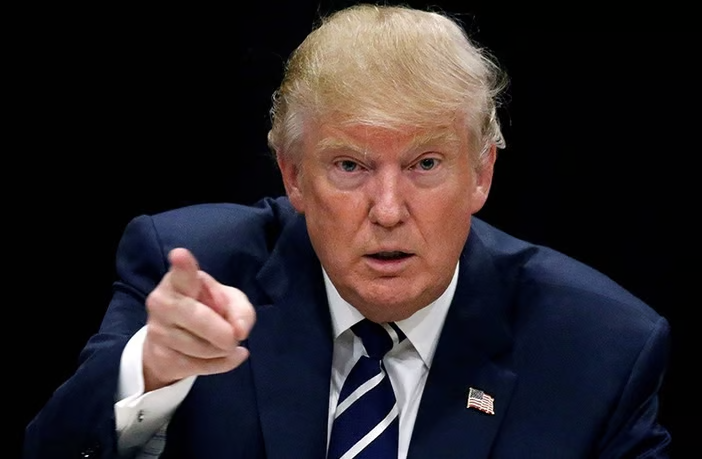
While being a thorn in the side of legacy media, Trump has proven to be a friend of media tech firms. A significant shareholder in Truth Social, he has repeatedly stepped in to halt a US ban on TikTok and has threatened tariffs or export restrictions on countries considering taxes or laws targeting US giants such as Alphabet, Meta and Amazon.
The president has even shaped brand marketing campaigns. His “America First” stance saw corporate America mirror the rhetoric with Ford an early mover through its “From America, For America” campaign.
Cannes controversy
This year, Cannes Lions was overshadowed by scandals involving AI manipulation, questionable campaign results and allegations of greenwashing, prompting organisers to announce tougher rules and mandatory disclosure measures going forward.
The highest profile case was Brazil’s DM9, which returned its Grand Prix and other awards after admitting to using AI-generated and manipulated content in case films, including unlicensed CNN footage.
LePub São Paulo’s Bronze-winning “Followers Store” campaign came under fire for unverifiable sales claims and possibly doctored influencer footage.
Gut Amsterdam’s Gold Lion for “Don’t Drink Hertog Jan” was challenged for overstating its creative role, allegedly building on earlier work by other agencies, while India’s Talented was accused of greenwashing in its sustainability-themed billboard campaign for Britannia.

Streaming TV hits a tipping point
2025 saw streaming TV reach new scale, eclipsing the combined broadcast and cable viewing for the first time in the US. In the UK, ad-funded subscription video-on-demand (SVoD) services nearly tripled their weekly reach in just a year – turning it into a genuine television advertising option.
Ad-supported tiers surged across streaming platforms, with two-thirds of Netflix’s new subscribers opting for ads, a trend experts expect to accelerate as price gaps widen. Netflix, Disney+ and Amazon bet big on sport content. The surge includes major sport events like exclusive NFL games, WWE RAW, and the U.S. Open, signalling a strategic shift toward live sports.
YouTube became the no. 1. viewed channel on US television with a record 12.4% share. Netflix’s scale could leap again if it is successful in its bid to acquire Warner Bros Discovery. The industry has reached a point where television and tech are no longer operating on separate tracks.

Omnicom swallows IPG
The merger between Omnicom Group and Interpublic Group (IPG) earned its place as one 2025’s defining stories – creating the largest advertising holding company in history with combined revenues exceeding US$25 billion.
Only it wasn’t a merger, more a takeover, with one IPG exec describing it as “an aggressive takeover”. Announced in March, it took over eight months to make it through the regulatory bodies, before being finally consummated just before Thanksgiving.
Almost immediately, announcements were made that more than 4,000 jobs would be cut as part of a $750 million cost savings drive. This is on top of the 3,200 IPG and 3,000 Omnicom staffers let go earlier in 2025.
The consolidation will see several of the industry’s most venerable agency names (e.g. DDB, MullenLowe, FCB) disappear. No such drastic consolidations have been announced across the group’s media planning and buying networks at the time of writing, although IPG Mediabrands, the media agency group of IPG, has been absorbed into Omnicom’s media operations.
With the “big six” now a “big five,” speculation of further consolidation is likely to be a recurring theme in 2026.
AI Is coming… after our jobs
AI has dominated headlines this year, but the story hitting closest to home is its impact on industry employment. Entry level jobs are disappearing from the marketing and advertising industry and AI adoption is accelerating the decline.
Barclays downgraded several major advertising holding companies, citing continued slow growth as the industry undergoes a fundamental shift due to artificial intelligence. Analysts noted that AI dominated discussions but offered little near-term optimism, raising concerns over billing models, automation, and client disintermediation.

Great jeans/genes advertising?
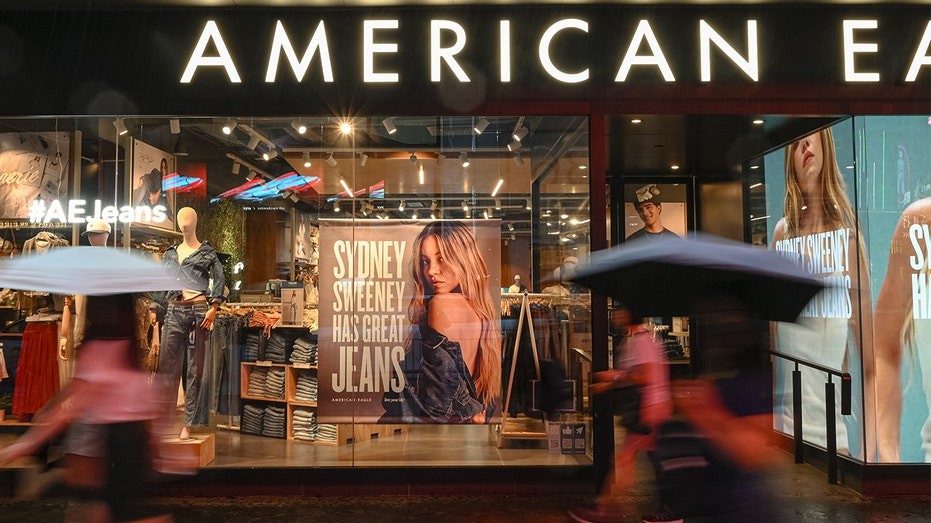
While not featured among Ad Age’s top creative ads list or airing in the Super Bowl, American Eagle Outfitter’s ad campaign starring Sydney Sweeney generated the most ink of any campaign in 2025.
On what started out as a back to school, celebrity collaboration for the middle of the road denim brand, its ads ignited into a cultural flashpoint.
The “Sydney Sweeney Has Great Jeans/Genes” line sparked backlash from critics who called the campaign’s messaging tone-deaf, over-sexualised and racially insensitive. She became an unexpected icon of the conservative right who used her rise as a sex symbol as evidence of the so-called “death of wokeness.”
On social media, commentators celebrated her partnership with American Eagle, contrasting the campaign with earlier work featuring racially diverse or plus-size models. Even Donald Trump piped in posting, “Sydney Sweeney Has Great Jeans is and always was about the jeans. Her jeans. Her story.”
The controversy proved commercially effective. American Eagle’s stock climbed 136% over the past six months. American Eagle now expects holiday quarter comparable sales to grow between 8% and 9%, well above its competition.
Australia leads the world in media regulation
Australia’s high profile social media ban for under 16s that came into effect on December 10 has drawn international attention.
Instead of resigning to handwringing or being appeased with hollow promises by the world’s largest companies to self-regulate, Albanese‘s government has taken unprecedented action to protect its young people. And more measures on the way.

Search engines such as Google and Microsoft will soon be required to introduce age verification for logged-in users, automatically activating SafeSearch for those under 18 to filter harmful content.
Other measures are being considered to protect kids from harmful advertising, prompting video game Rugby League 26 to remove gambling and alcohol jersey sponsors in-game.
Finally, the Government is considering stricter junk food ad rules. Advocacy groups in New Zealand are now calling for similar reforms.
Australia has also shown it’s willing to take on the global media powerhouses. Last month they moved to enforce its News Media Bargaining Code more aggressively, pushing platforms to pay publishers for content, a system already redirecting roughly $250 million annually to local media companies.
Over to you, Minister Goldsmith.
The great Mamdani: social media magician
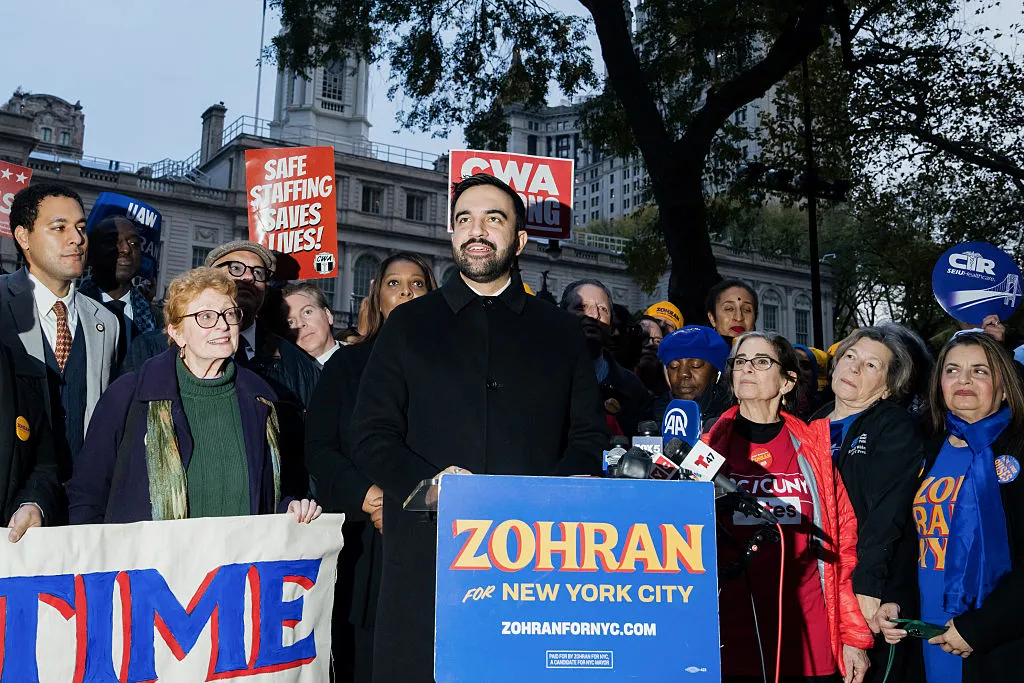
Zohran Mamdani’s impressive mayoral election campaign team employed social media to its fullest effect and left marketers and politicians around the world wanting to dissect their formula.
Mamdani’s campaign was able to overcome a massive spending advantage by Andrew Cuomo, one of the biggest and most powerful names in New York politics.
His grassroots strategy outperformed Cuomo’s TV and AI-driven ads. His team produced a relentless stream of short, emotionally charged, algorithm-friendly content across YouTube and TikTok, focused sharply on cost-of-living issues.
They also staged a citywide scavenger hunt, sending residents across boroughs to solve clues. According to Wired, the campaign’s standout feature was its ability to cultivate fandom: New Yorkers’ feeds overflowed with fancams, fan art and supporter-generated videos, the kind of participatory culture usually reserved for celebrities and musicians. It was true social media wizardry.
Search enters a new era
In my view, this is potentially one of the most significant stories of the year. Search engines are a $103 billion media business accounting for 40% of the advertising market.
This year, generative AI is rapidly transforming how people search for information, shifting behaviour away from clicking through to external websites and toward staying within platforms like Google and ChatGPT where instant answers are surfaced.
Google’s AI Overviews and ChatGPT’s conversational results mean that nearly a third of searches now result in zero clicks, driving down organic traffic especially to news publishers and businesses that rely on audiences visiting their sites. As users grow comfortable with AI answering more complex and longer queries, both companies are exploring “agentic commerce,” where transactions could be initiated and even completed directly within the search experience.
This evolution threatens the traditional ad-supported open web, while expanding the scale of monetisable queries setting up Google and ChatGPT as increasingly powerful new gateways to commerce.

Meta’s alleged scam ad scam
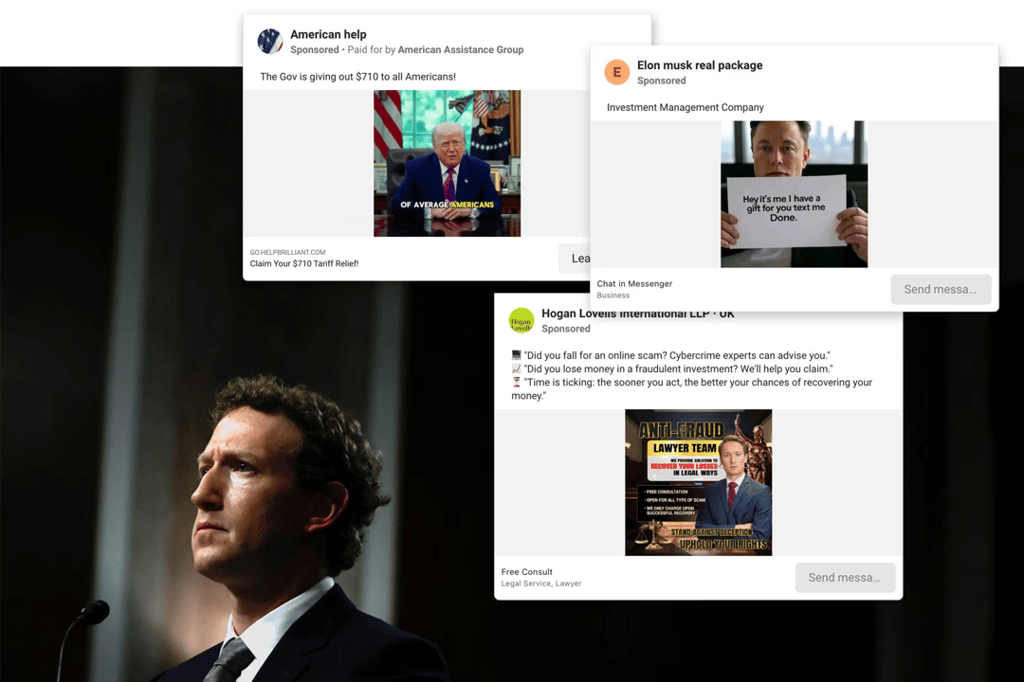
Despite a strong year of revenue growth that outpaced Alphabet and Amazon, Meta faced heavy scrutiny after internal documents obtained by Reuters indicated that as much as 10% of its 2024 revenue, roughly US$16 billion, may have come from scam or prohibited ads.
The documents suggest users are exposed to around 15 billion high-risk scam ads each day. Although Meta flags many suspicious advertisers, it often allows them to continue running ads unless fraud probability exceeds 95%. It even charges “penalty bids” that increase scammers’ costs, rather than removing their ads.
Analysts argue this reflects both a reluctance to sacrifice revenue and a lack of robust global regulation. A 2025 Global State of Scams report found that 23% of people have lost money to a scam.
Former safety executives say platforms should not be allowed to profit from fraudulent advertising and warn that current transparency laws including Europe’s Digital Services Act, fall far short of what is needed for proper oversight.