Welcome back to Around the World! In his first column for 2026, media expert Antony Young rounds up media news from beyond Aotearoa.
This week:
- Why the car will be your next great media platform.
- Meta learns what every parent knows: “You can’t control teenagers!”
- The Golden Globes recognises podcasts for the first time at the 2026 award show.
- How AI is impacting traditional open web traffic
- Elon Musk, Grok and the “undressing” scandal.
- Foodies are becoming more strategic, and why cabbage will be the vegetable of the year.
- A shout out to Paul Catmur and The Gutter Bar.
The car is your next great media platform
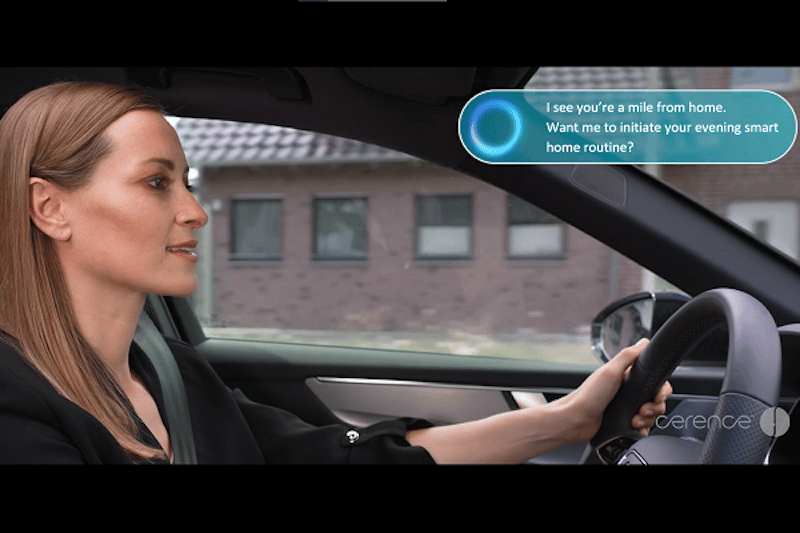
One of the more interesting developments to come out of annual tech trade show CES 2026 this week is how the automotive industry is syncing up around the idea that the car is no longer just a machine.
Rather, it is a platform that learns, connects, and behaves like a consumer tech device.
According to tech publication, The Gadget Flow, they are turning the vehicle cockpit into a “third device” (alongside the phone and computer) for digital engagement, featuring interactive, data-rich audio and immersive dual-screen experiences.
As vehicles move toward higher levels of autonomy, the passenger experience will shift toward bi-directional live audio and gaming content and shortly will allow brands to engage users while they are on the go.
Meta shut down half a million teenagers Instagram and Facebook accounts in Australia
The Australian Government are learning what all parents know, “you can’t control your teenagers!”
Meta has deactivated more than 544,000 accounts across Instagram, Facebook and Threads in the first days of Australia’s under-16s social media ban, describing compliance as an ongoing, multi-layered challenge due to the lack of reliable age-verification standards.
While all major platforms implemented age checks in December 2025, the ban has been criticised as imperfect, with teenagers reportedly evading restrictions, creating new accounts, or migrating to unregulated platforms. The government acknowledges the rollout will take time and may expand to additional platforms if needed.
The policy is being closely watched internationally, with pressure mounting on the UK Labour government to introduce a similar ban. Meta urges governments to work with industry on alternatives to blanket restrictions for protecting young users online.
And The Best Podcast Golden Globe goes to…
Good Hang with Amy Poehler won the inaugural Golden Globe for Best Podcast, marking a symbolic moment in podcasting’s long shift from fringe medium to mainstream entertainment. Launched in March with Spotify’s The Ringer, Poehler’s interview-style show quickly climbed the charts with a mix of warmth, humour and high-profile guests.
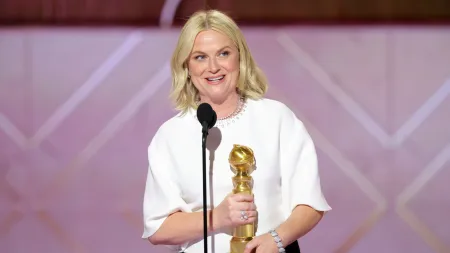
Her win capped the first year podcasts were formally recognised by the Globes. In true awards-fashion, debate flourished over nominations and omissions with shows like The Joe Rogan Experience missing out this year. Platforms like Spotify, SiriusXM and Netflix are investing heavily as podcasting evolves into a Hollywood-adjacent business with listenership and viewership expanding.
The “AI search reckoning” for publishers
Publishers are facing a dire outlook as AI-driven search engines dismantle traditional open web traffic. Many publishers report losses of 20–90% in 2025 as AI-generated answers replace clicks, with studies showing click-through rates collapsing for both organic and paid search when AI summaries appear.
While the impact began with news and informational sites, it is rapidly spreading into ecommerce and long-tail content, affecting even large media groups. Experts predict the continued rise of AI search poses an existential threat to much of the open web.
Grok’s AI “undressing” scandal
In case you missed it Elon Musk’s AI, Grok, faced intense backlash after its image-generation tools were used to create viral, non-consensual “nudified” images, leading to calls for stricter regulation on X.
Following the fall out, xAI has restricted Grok’s image-generation and editing tools to paying subscribers after widespread misuse on X, including of children, prompting global and U.S. calls for stronger enforcement. Growing concern from researchers and lawmakers that such AI tools are pushing harmful imagery into the mainstream.
As Rep. Alexandria Ocasio-Cortez highlighted in calling for deepfake legislation only to be targeted herself with explicit fake images. At the same time, the company has reportedly seen higher engagement from looser content restrictions.

Foodies are becoming more strategic
Planners will love this story! According to the New York Times, “strategic consumption” reflects a broader cultural move toward intentional, purposeful food habits. Forecasters predict that cabbage will become the standout vegetable of 2026, showing up in diverse dishes from kimchi to creative social-media recipes as consumers prioritise affordable, versatile, nutrient-rich ingredients.
Vinegar is expected to gain broader culinary uses beyond salad dressings, featuring in mocktails, tonics and new flavour pairings as people explore functional flavours with health appeal.
“Kitchen couture” will see everyday food packaging and utensils become part of personal expression. And “value” is forecast as the food word of the year, reflecting a desire for quality, sustainability and reliable nutrition rather than just low prices.
The Gutter Bar
Finally, a call out to former NZ agency creative and now published author Paul Catmur who was interviewed by the WSJ CMO Today earlier this month, plugging his novel The Gutter Bar, a satire set in the Cannes Lions festival.