Media expert Antony Young rounds up media news from beyond Aotearoa in a regular column for StopPress.
This week:
- BBC brings back an ad from the past.
- Creators now make up one quarter of video viewing.
- Checking in with Australia’s social media ban.
- Britain’s new PM loves TikTok.
- Australian media help themselves to journalism fund.
- New data showing streaming viewers want ads.
BBC reboots a 40-year-old ad
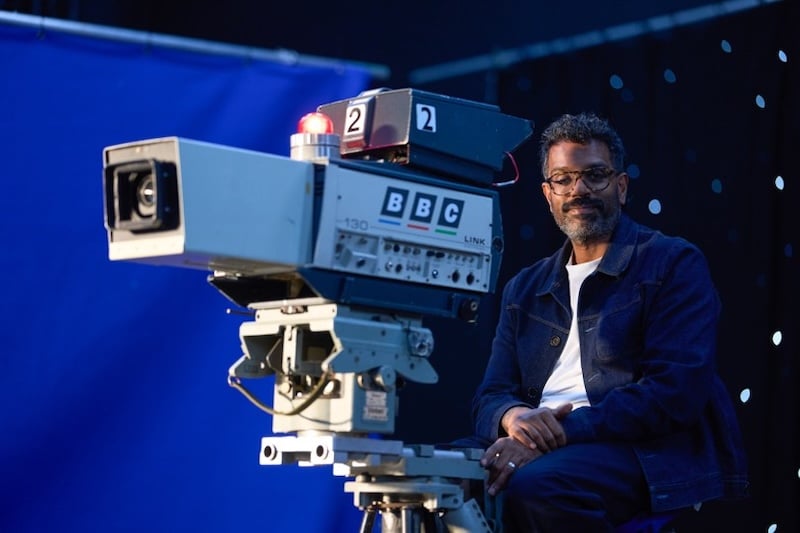
The advertising-free BBC launched its own ad campaign recently. It’s a rebooted spot that ran 40 years ago, with Romesh Ranganathan playing a disgruntled licence payer, asking, “What has the BBC ever done for me?”.
Then, a parade of the broadcaster’s biggest stars make the case and ask the public to keep paying. The campaign lands weeks after new director-general Matt Brittin called the licence fee a “busted flush” and warned the corporation is in “real jeopardy” as license fee payments have drastically fallen, threatening the institution’s funding model.
Despite 94% of Brits using BBC services, only 80% are willing to pay the mandatory license fee. The Director General himself pre-conceded that the model is dead ahead of the 2027 charter review.
The license fee, now £180 a year, saw 500,000 non-payers last year, which is up from 300,000 the previous year. On this podcast The Guardian’s Mark Lawson interviews Nosheen Iqbal who sums up a trifecta of issues, including scandals, salaries and streaming that have turned public opinion against the 104-year-old public owned broadcaster.
Creators now make up one quarter of video viewing
Creator content now accounts for 26% of all time spent with TV and video, which is roughly 1.7 hours a day. This sits behind linear (35%) and streaming (33%) as a distinct third category, per Media Dynamics.
Viewers 13 to 34 clocked over 12 hours a week with social/creator video in 2025. They say social content feels more relatable than traditional TV or film, with creator videos their favourite social format.
The land grab now is the living room. YouTube says nearly half the views on some creator channels already come from connected TV and Amazon is launching a Creator Hub on Fire TV to pull that behaviour into its ad ecosystem.
Meanwhile, according to a story in the LA Times, micro-influencers are an increasing force for brands and are quitting their jobs to monetise their followers. Abi Platock signed her first four-figure brand deal (with Secret) at 8,000 TikTok followers and expects roughly $50,000 in creator income this year. The case for them is the engagement gap: microinfluencers average a 3.2% engagement rate versus 1.1% for the million-plus crowd. While macro creators pull about six times the revenue, their costs run roughly 18 times higher.
Australia’s teen ban: working on paper
Australia moved first, switching on the world’s toughest under-16 rules in December. The launch numbers looked emphatic: platforms deactivated roughly 4.7 million minors’ accounts in the first month, with Meta alone removing nearly 550,000 in a single day.
However, a BMJ-published study found over 85% of under-16s were still using the platforms three months in with 70% of those who kept access said dodging the ban was “easy,” and most didn’t even need a workaround because platforms never removed their accounts.
A shout out to Toby Manhire on The Spinoff for his interview of Hal Crawford, editorial director at Mumbrella and former boss of Newshub NZ on how the social media ban is working. Enforcement runs on the platforms, not the kids, with Australia recently doubling the maximum penalty from $49.5 million to $99 million (AUD).
In March the government accused Facebook, TikTok and YouTube of failing their obligations, with communications minister Anika Wells framing it as big tech refusing to comply rather than the law failing.
The rest of the world is now catching up. France just became the first EU country to pass a blanket social media ban for under-15s earlier this month. Spain wants an under-16 limit, Denmark and Greece have plans drafted and the UK is “considering.” Whereas here, we wait to see what Aotearoa decides, with Christopher Luxon declaring he’ll “die trying.”
Britain’s new PM loves TikTok
Andy Burnham is channelling New York mayor Zohran Mamdani with his social media strategy.
According to The Guardian, the comparison isn’t subtle. Burnham released a video announcing a VAT cut on energy bills that garnered over 1m views. It opens with him tapping the camera and stepping back, the exact move Mamdani used in April to launch his pied-à-terre tax.
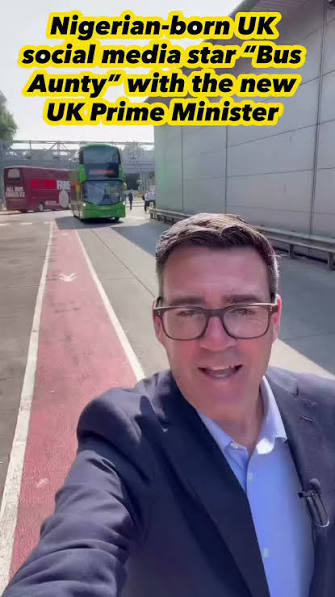
Teaming up with influencers is also out of Mamdani’s playbook. A jog with British Olympian legend Mo Farah was reposted to his 1.9m Instagram followers, and a bus video co-starring viral “Bus Aunty” Bemi Orojuogun hit 2m views and 240,000 likes. And it seems to be working. Searches for “Andy Burnham” on TikTok jumped 2,000% day-on-day when he took office; his following rose 73% in a week, from under 99,000 to 170,000-plus.
But the strategists sound a warning worth noting: chasing Instagram meme trends reads “automatically cringe,” and as quickly his social brand has climbed the burnout risk is high too.
Australian media share the newsroom fund spoils
While our previous government’s Public Interest Journalism Fund caught flak, the Australian media are happily helping themselves to their Governments Media fund.
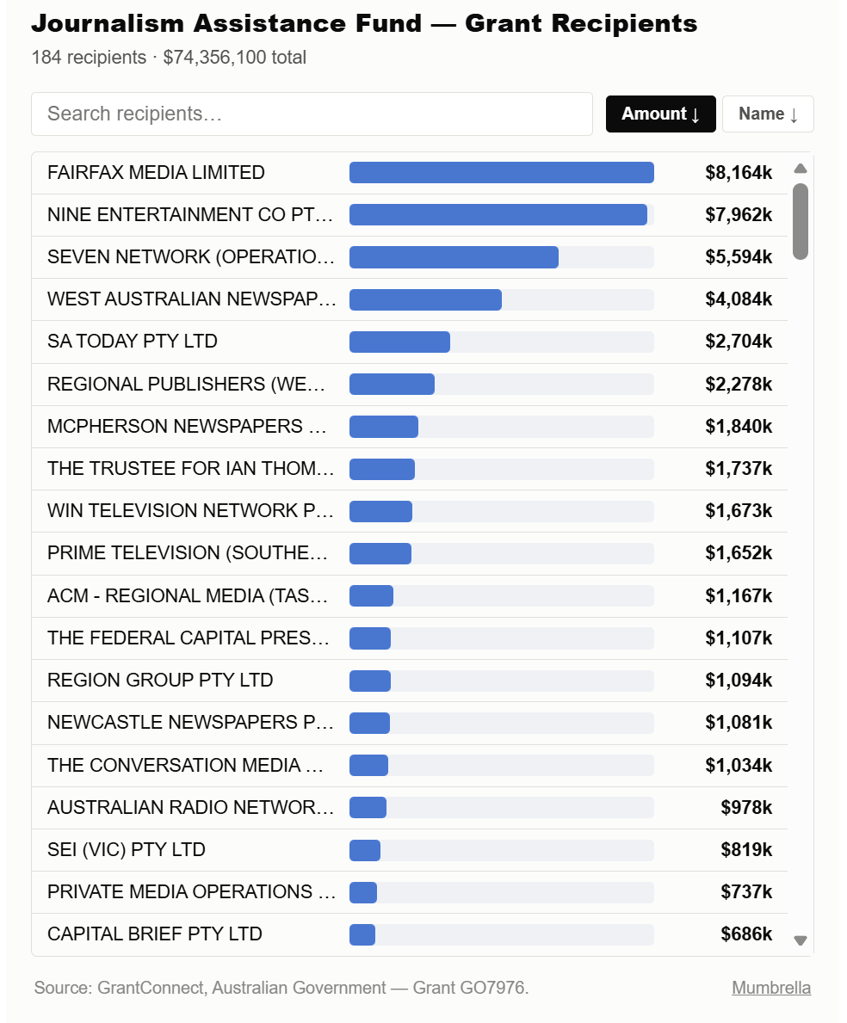
Australia’s AUD$74.4m Journalism Assistance Fund, part of the Albanese government’s News Media Assistance Program paid out to 180-plus media companies, but three players took more than 40%. Nine, Seven West (now SCA) and ACM led the pack.
Nine alone pulled $16.1m across two grants, $8.16m of it to the old Fairfax mastheads. Seven took $11.3m, spread across its TV arm, the West Australian, and Prime. The mechanism explains the skew: $39k per full-time journalist over three years, scaled by headcount, handed out first-come, first-served until the pot runs dry.
Reward size tracks payroll, so the biggest employers win biggest, while independents get the crumbs.
The Conversation just over $1m, Capital Brief got $686k, Mamamia got $268k, and 23 one-journalist outfits got $42,900 each. The fund pitched as a lifeline for “media diversity” mostly reinforced the existing hierarchy, because designing subsidies around journalist headcount benefits the incumbents.
Streaming viewers want our ads
The ad-free premium is losing its pull. Two-thirds of consumers now say ads bother them less than they used to, and 69% would pick ads to save money. This is up 11 points since 2021, per Hub Entertainment Research’s survey of 3,000 US viewers.
The economics are doing the persuading: households spend $924 a year on recurring entertainment subs, 19% more than in 2020, so cheaper ad tiers keep winning converts.
Hub’s Mark Loughney frames the destination bluntly. The future looks “a lot more like the past of TV,” with most people accepting ads in most of what they watch, and a warning to ad sellers not to repeat linear’s punishing commercial loads.
Two wrinkles matter for buyers:
- Streaming ads get skipped less, so completion rates beat broadcast.
- Targeting is self-reinforcing. Social media users feel positive about targeted ads at 40% versus 14% for non-users, because exposure breeds tolerance.
There’s a hard line, though. Viewers accept AI for ad timing and reducing repetition (55% positive), but reject it for the creative itself.