Media expert Antony Young rounds up media news from beyond Aotearoa in a regular column for StopPress.
This week:
- The Fifa World Cup finals could account for up to 7% of global internet traffic.
- LinkedIn is building a B2B creator marketplace.
- A&W “crushed” a restaurant to promote its smash burger.
- Social media companies face a wave of landmark legal cases.
- Washington Post sued over surveillance pricing.
- Clean Creatives targets Cannes over fossil fuel advertising.
Fifa World Cup to consume 7% of global internet traffic
The FIFA World Cup has become much more than a sporting event, with the content ecosystem that surrounds the tournament extending well beyond the live match broadcast.
According to Bank of America, the World Cup finals could account for up to 7% of global internet traffic. Snapchat is making a significant push, noting that 85% of its 483 million daily active users plan to watch or follow the World Cup. To capitalise on this interest, Snapchat has enlisted Alix Earle, Jared McCain and more than 50 creators to deliver behind-the-scenes coverage across Stories and Spotlight. It also has partnerships with players including Alphonso Davies, Erling Haaland and Sadio Mané.
Snapchat is launching more than 30 World Cup-themed experiences, including AR Lenses, Bitmoji merchandise and fan activations in Los Angeles and New York. Too bad Tim Payne couldn’t get some of that action!
Google Search has sponsored The Athletic’s campaign ‘The Language of Soccer‘ to translate each nation’s fan culture and has partnered with World Cup broadcaster Fox where analysts use AI Mode in Google Search to cite country specific stats, fan traditions and break down teams and player strategies.
Specialist football focus media companies are competing to capture attention before, during and after matches. This Financial Times article highlights how they are competing for audience attention through YouTube, podcasts, social media content and live fan experiences, creating new sponsorship, advertising and engagement opportunities for brands.

LinkedIn is building a B2B creator marketplace
YouTube, Meta and TikTok have been connecting brands with creators and influencers for years, but now LinkedIn is getting into that game by promoting influencers for the B2B sector.
LinkedIn has launched Creator Marketplace in the US and Canada inside its ad platform, letting brands search creators by topic and audience, boost their posts with ads or contact them directly for speaking gigs and other deals. According to LinkedIn’s product director Sam Corrao Clanon, they will connect company brands to subject-matter experts who can vouch for their product credibly. Creators opt-in and keep control over who reaches them and how their sponsored content gets used. LinkedIn’s own data shows that 70% of buyers trust peers and experts over brand-made content.
A&W flattens restaurant to promote its smash burger
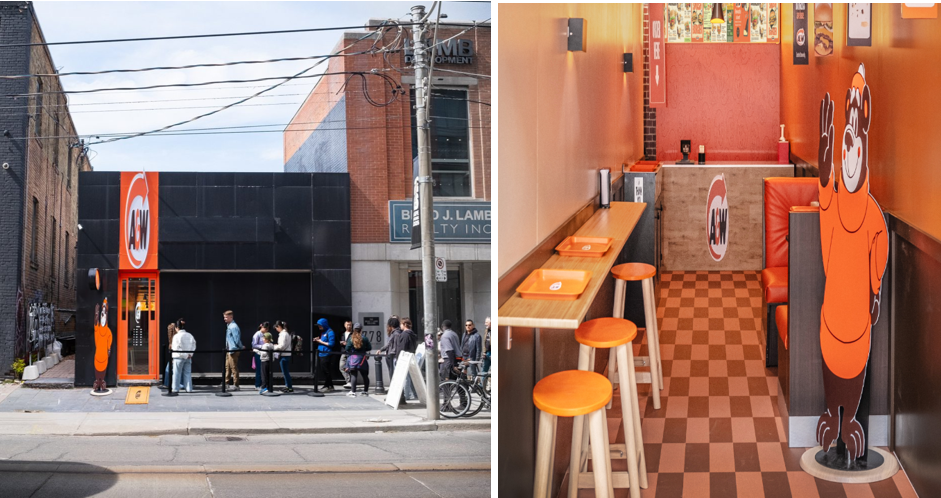
A&W Canada took “smash burger” literally and crushed a restaurant to prove it. For one day, its King Street West location in Toronto looked like it had been run through a giant burger press displaying warped signage, compressed furniture, bent trays and even Rooty, the chain’s root bear mascot, flattened.
“We wanted to take the concept of smashed to its literal extreme,” says an agency spokesperson. The flattened restaurant was also able to be squeezed conveniently into vertical video footage for its TikToks and Reels.
Social media legal battles mount up
Social media companies have their work cut out for them as they face a wave of landmark legal challenges that could reshape how the platforms operate. The BBC highlights four key cases to watch as they head toward trial, closely being watched by regulators, lawmakers and the tech industry alike.
- Social Media Adolescent Addiction MDL. More than 1,000 US school districts are suing Instagram, YouTube, Snapchat and TikTok, alleging their platforms were intentionally designed to be addictive and have harmed children’s mental health.
- People of California v. Meta. A coalition of 29 states claims Meta violated children’s privacy laws by collecting data from users under 13. If successful, the case could significantly alter how it targets advertising and trains AI models.
- John Doe v. Roblox & Discord. A 13-year-old alleges he was groomed by a sexual predator through Roblox and Discord, arguing the platforms failed to adequately protect young users.
- Forrest v. Meta. Australian billionaire Andrew Forrest is suing Meta over scam advertisements that allegedly used his image to promote fake investments. The case challenges the protections platforms receive under Section 230 and, if successful, could dramatically increase social media companies’ liability for harmful content and advertising hosted on their platforms.
Washington Post sued over ‘surveillance pricing’
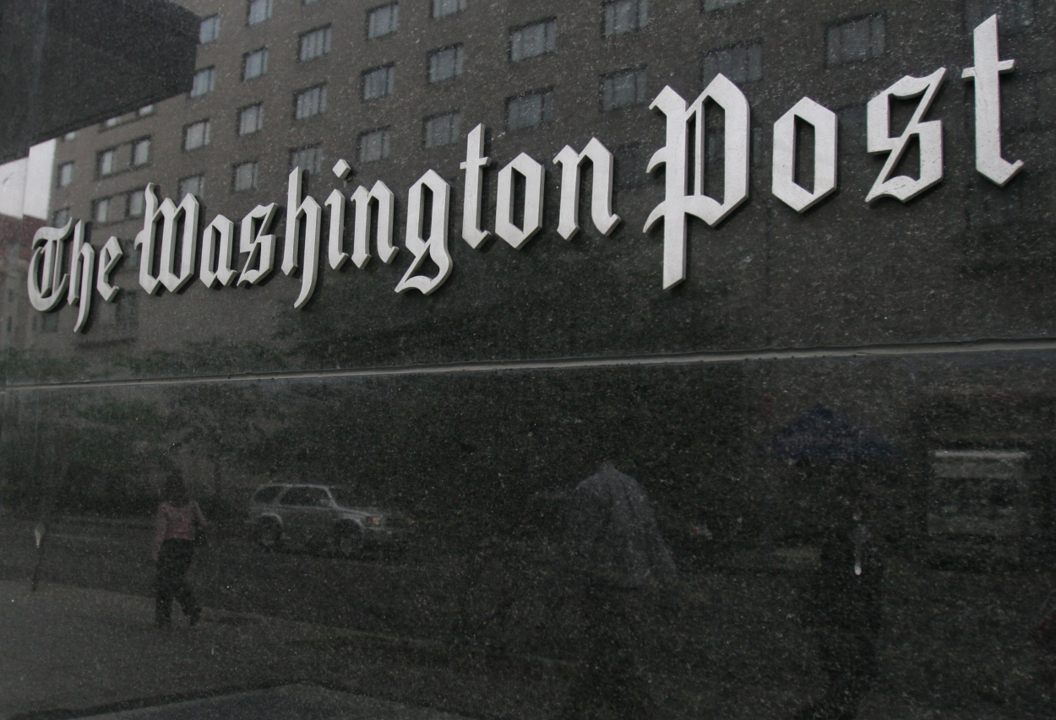
The Washington Post is facing a class action that could run into the billions. Filed by a subscriber in D.C., the complaint alleges the Post has secretly harvested subscriber data and weaponised it to set individualised prices, a practice known as “surveillance pricing.”
The kicker: the more loyal the reader, the more the Post knew and the more it allegedly charged. Longtime subscribers reportedly paid more than new ones for the same paper. None of them knew until a 2025 New York disclosure law forced the Post to reveal the practice, sparking outrage as subscribers compared wildly different prices.
While personalised pricing is standard practice in the retail and travel sectors, it’s felt a paid news subscription is different and readers don’t expect loyalty to become leverage.
Activists target Cannes over fossil fuel work
Clean Creatives is bringing its anti-fossil fuel fight to advertising’s biggest event. The advocacy group will work this month’s Cannes Lions panels and events collecting agency pledges to refuse fossil fuel client work.
On June 23, they will stage ‘Unpitch fossil fuels’ hack-a-thon, where attendees will brainstorm a campaign pressuring the industry to stop handing sustainability awards to agencies with fossil fuel ties. The real target is Cannes itself: the group wants the Lions to stop awarding work that promotes the fossil fuel industry.
Clean Creatives executive director Laura Ranzato says thousands in comms have already signed the pledge and wants attendees to “draw a line in the sand.”