Media expert Antony Young rounds up media news from beyond Aotearoa in a regular column for StopPress.
This week:
- Advertisers are spending big in West Palm Beach just to reach Trump.
- Google began indexing Instagram posts from business and creator accounts to stay relevant in an evolving digital landscape.
- Amid declining travel from the US, Canadian towns released a new ad to invite US tourists to “hug it out”.
- American consumers’ enthusiasm for “Made in the USA” products is dropping despite the Trump administration’s push to reshore manufacturing.
- HP is launching an ad business that uses first-party data to target ads both on-device and offsite.
- The new PlayStation and Xbox edition of Rugby League 26 removes gambling and alcohol jersey sponsors to help reduce the normalisation of gambling in sports and gaming.
Targeting an audience of ‘one’
Media buyers always know to make sure the client’s CEO sees the ad campaign. But this tactic has reached another level in this WSJ story that special interest groups have turned the TV screens of West Palm Beach into a stage for a uniquely targeted strategy: the “audience of one.”
Since Donald Trump returned to the White House, lobbyists – from automakers and pharma to vaping advocates – have spent over $2 million airing ads in the Florida market, seemingly not to sway public opinion, but to catch the eye of one viewer relaxing at Mar-a-Lago.

These ads, often gushing with praise for Trump before sliding into policy pleas, serve as televised love letters disguised as lobbying. It’s a marked evolution from the Fox News ad-buys of Trump’s first term – now upgraded to full-scale geo-targeted campaigns tailored to wherever the president’s golf clubs are racked.
When Trump migrated to Bedminster for the summer, so did the ads. The result? West Palm Beach rocketed to the #3 spot for national policy ad spending, leapfrogging cities five times its size.
Google partners with Instagram to bring Search and Social closer
Google has begun indexing Instagram posts from business and creator accounts, marking a major shift in how content is discovered online and signalling a response to Gen Z and Millennials’ growing preference for using social platforms over traditional search engines.
With nearly half of Gen Z favouring social media for search, this partnership is a strategic response to stay relevant in an evolving digital landscape.
Brands will look to optimise Instagram captions and hashtags for search visibility, potentially shifting the platform’s aesthetic toward more SEO-driven content.
The move may give smaller and emerging brands a greater chance to compete with legacy players in search rankings.
Canadian towns invite US tourists to “hug it out”
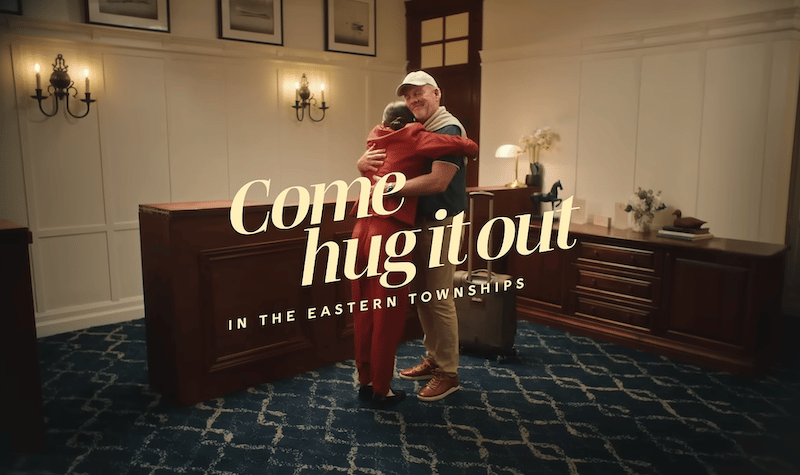
Amid declining travel from the US and strained political relations, a tourism office in Quebec’s Eastern Townships has released a warm, humorous ad aimed at reassuring American visitors they’re still welcome.
The 30-second spot shows a hotel receptionist embracing an American guest who nervously admits he doesn’t speak French, closing with the tagline, “Come hug it out in Eastern Townships.”
Americans’ interest in “Made in the USA” dropping
American consumers’ enthusiasm for “Made in the USA” products is waning, with a Morning Consult 2025 survey showing a six-point drop in those seeking US-made goods – now at 59% – despite the Trump administration’s push to reshore manufacturing.
While nostalgia and patriotism once drove demand, rising price sensitivity from inflation and supply-chain issues have made many unwilling to pay a premium.
Only 40% would pay more for domestically produced goods, and most won’t tolerate a markup above 10%. The divide is also political, with Republicans more likely to support paying extra than Democrats.
As seen on your PC
HP is launching an ad business to monetise its vast device footprint by placing targeted ads directly on its laptops, apps and a new free ad-supported streaming service (FAST).
With 160 million monthly US users and 830 million globally, HP is positioning itself like smart TV manufacturers that have built ad ecosystems around their hardware.
The company will use first-party data, including user behaviour and app usage, to target ads both on-device and offsite.
HP’s new ad formats, such as “Toast” pop-ups and carousel home screen placements, are designed to be native and non-intrusive. Its streaming platform will feature in-stream video ads and other formats to capture attention during the more than three hours a day the average user spends on HP devices.
Rugby League 26 cancel gambling and alcohol jersey sponsors
The newly released Playstation and Xbox edition of Rugby League 26 has made headlines for the absence of gambling and alcohol sponsors on team jerseys.
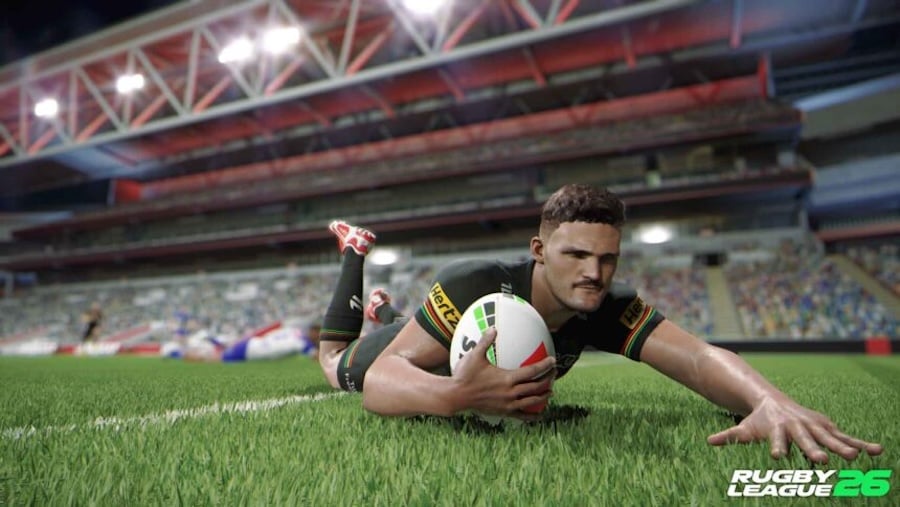
This move looks to allay growing public and political concern over gambling’s influence on youth, with research showing alarming levels of underage gambling.
Industry leaders and advocacy groups applaud the move, viewing it as a step toward reducing gambling normalisation in sports and gaming.
Instead of gambling brands, the game now features more socially responsible sponsors like Top Blokes, a mental health charity.