Media expert Antony Young rounds up media news from beyond Aotearoa in a regular column for StopPress.
This week:
- KitKat heist turns into fun social moment, meanwhile the stolen truck is still at large.
- ChatGPT has started rolling out ads in the US.
- New data shows Brits are using social media less.
- Clothing company targets customer “life” moments.
- Aussie company cops $50K fine for not disclosing free products.
- Disney+ to start selling ads in Australia.
The great KitKat heist – or was it an April Fools stunt?
This is a delectable example of a big global brand showing they can be nimble creating a marketing sugar rush.
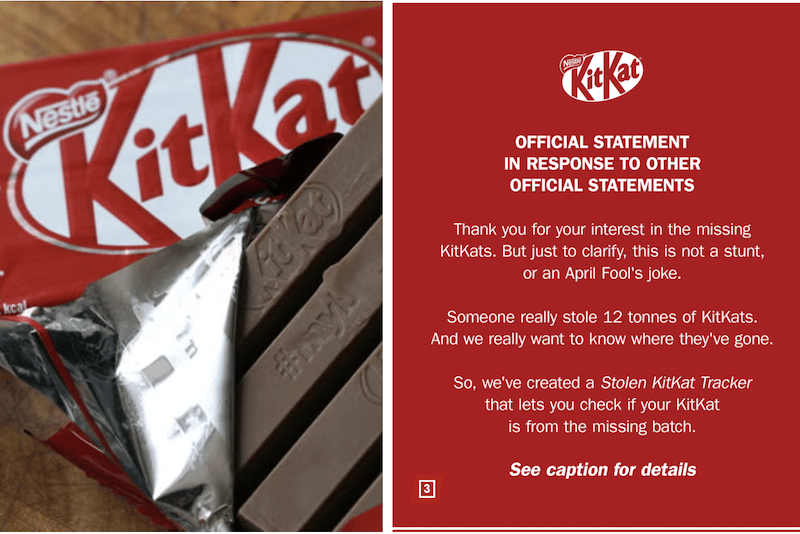
After more than 12 tonnes of KitKats, about 413,793 bars were stolen en route from Italy to Poland, Nestlé turned the incident into a social hit. They set up a public-facing “Stolen KitKat Tracker” that let people check batch codes against the missing shipment. The move happen to coincide with April Fools’ Day, forcing the brand to insist the theft was real, not a stunt.
Memes spread fast, other brands from DoorDash to KFC and Denny’s piled in with copycat posts, and what could have been a dull logistics story became a shared fun social moment for the brand. Reuters, AP and Sky all report the truck is still missing and that the stolen bars were part of a new range heading for European distribution.
ChatGPT ads to be rolled out – NZ could be next.
ChatGPT’s US ad business experiment has already generated $100 million in annualised ad revenue just six weeks since launch. Ads appeared to fewer than 20% of eligible US Free and Go tier users from over 600 advertisers.
Reuters also reports self-serve advertiser access is due in April, with expansion into markets including New Zealand, Australia and Canada. Open AI is shifting from tightly managed pilot to scalable buying platform, and the early-mover logic now looks a lot like the first wave of search and social.
Brits are becoming less active on social media
UK social users are pulling back from public posting as feeds tilt harder toward video and the perceived risk of old content lingers. New Ofcom data shows the share of adult social users who post, share or comment dropped from 61% in 2024 to 49%.
The regulator says TikTok-style viewing habits are part of it, but so is fear of the digital paper trail: 49% now worry old posts could hurt them later, up from 43% a year earlier. Some users are shifting to less permanent formats like Instagram Stories, while others are using Facebook and Instagram more narrowly for local groups or utility.
The report show people are still there, but they are behaving more like watchers than posters, which makes passive, creator-led and video-first environments even more important.
Online clothing company marketing at life and body moments
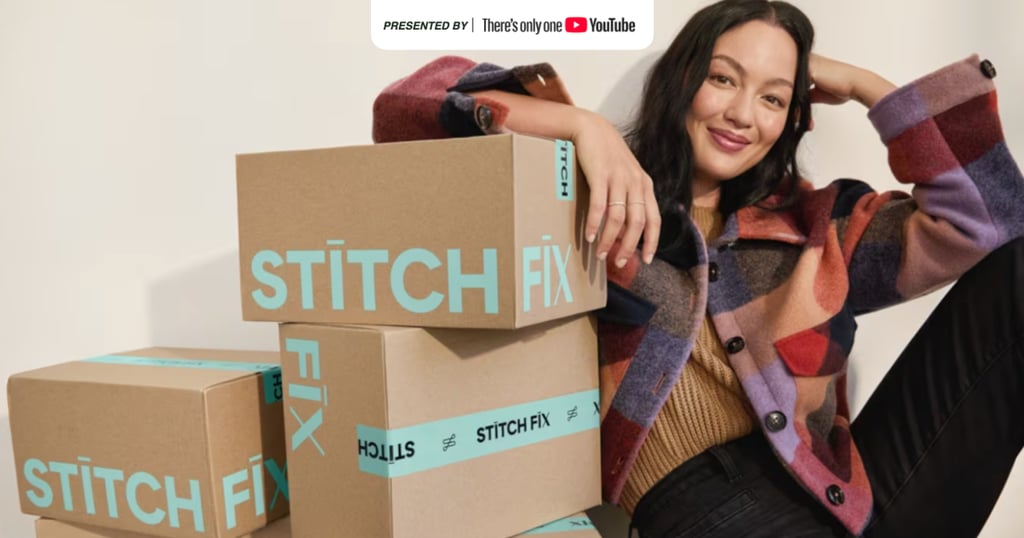
Online clothing company Stitch Fix is targeting customer “life moments” over traditional target demographics. Two such examples are users who go on weight loss drug products like Ozempic and Wegovy, and men going through divorces.
Men and women going through body transition that might want to suddenly need help rebuilding a wardrobe fast is where Stitch Fix wants to be part of the solution. According to the company, requests mentioning weight loss have tripled over two years and jumped 75% year on year, pushing them to shape acquisition, product and marketing around these high-friction moments.
Online they are applying first-party data to generate personalised, fully shoppable outfits where customers upload images and they are able to make recommendations that reflect their preferences, new size and budget.
Another unexpected segment is recently divorced men. About 80% of the items in a man’s closet were purchased by someone else. When they separate they often don’t have the capability or the history to shop for themselves. At the same time, they may care more about how they look when they leave the house, especially if they are entering the dating world. Stitch Fix says it’s testing marketing on dating platforms.
Australian company fined $50,000 for influencers not disclosing free products
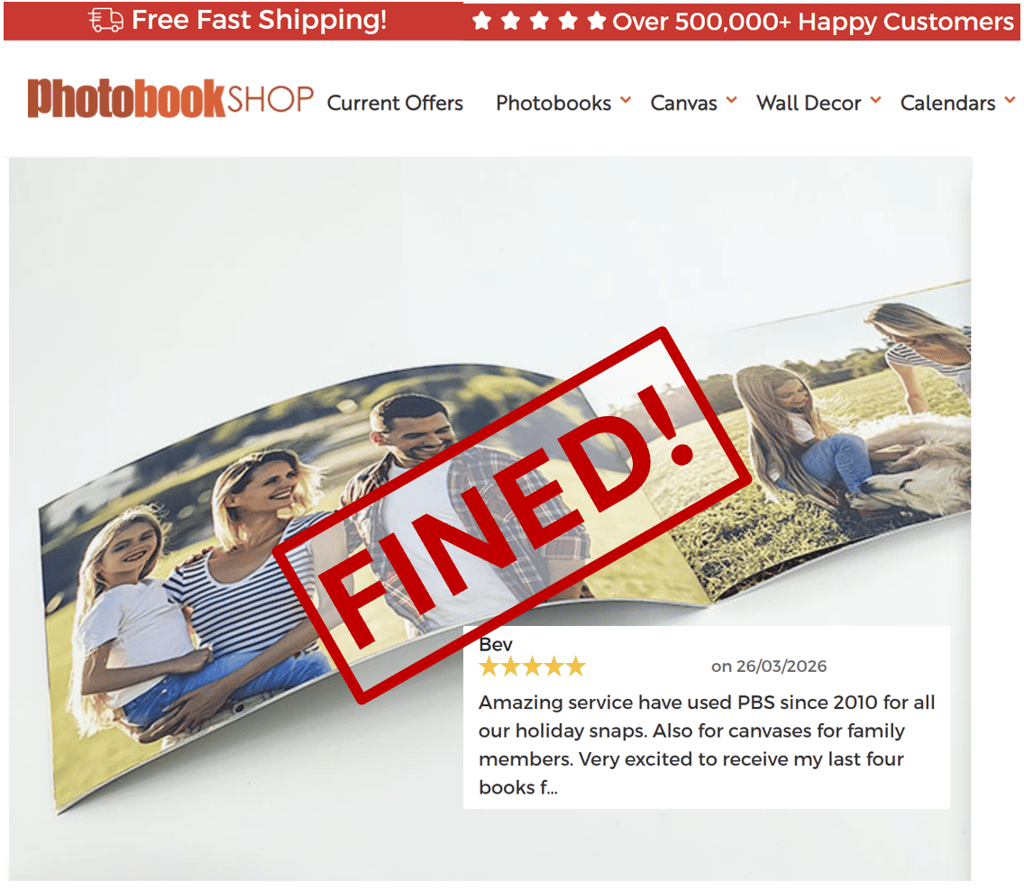
Australia’s consumer watchdog has started enforcing restrictions on brand use of influencers, fining Photobook Shop nearly $50,000.
The ACCC says it is its first financial penalty over undisclosed paid or gifted creator endorsements.
Melbourne-based online printer Photobook Shop allegedly sent products worth $50 to $400 to influencers on 107 occasions. It then explicitly told them not to mention the items were free, sponsored or supplied in exchange for content. It also copped a second notice for heavily editing an influencer’s review of its AI assistant tool, stripping out lines calling it “a bit fiddly” and “confusing” so the post read like clean praise.
The case lands after the ACCC’s long-running sweep of influencer marketing. This found 81% of reviewed accounts raised potential legal concerns and 96% of fashion influencer posts were problematic. The message for brands, agencies and creators is now much harder to ignore: gifted product counts as payment, edited testimonials are risky, and “organic-looking” creator content is exactly what regulators are watching.
Disney+ to start selling ads in Australia
Disney is finally bringing an ad-supported Disney+ tier to Australia, giving advertisers access to a streaming audience of roughly 3.3 million subscribers. The new “Standard with Ads” plan will offer full HD streaming and two concurrent streams. Pricing is still under wraps, though Disney is clearly positioning it against Netflix and Paramount+ at around A$9.99 a month.
Disney flagged its local ad ambitions at last year’s ESPN upfront, where it pushed tools including Disney Ad Service, Bridge ID and Disney Select. For media buyers, this is less the subscription price and more the inventory shift Disney+ goes from being mostly closed to Australian advertisers to becoming a premium BVOD-style environment with Disney data, targeting and programmatic hooks.