Media expert Antony Young rounds up media news from beyond Aotearoa in a regular column for StopPress.
This week:
- The TV stations that refused to air Jimmey Kimmel Live! will end their boycott this week.
- TikTok ownership change in the US raises concerns over media consolidation.
- Funny TV ads are on the decline according to data from the UK.
- Google, Meta and Amazon now control 56% of the global ad market.
- Would you pay for an ad-free Facebook?
- Instagram has cemented its position as Meta’s most popular app with three billion monthly users.
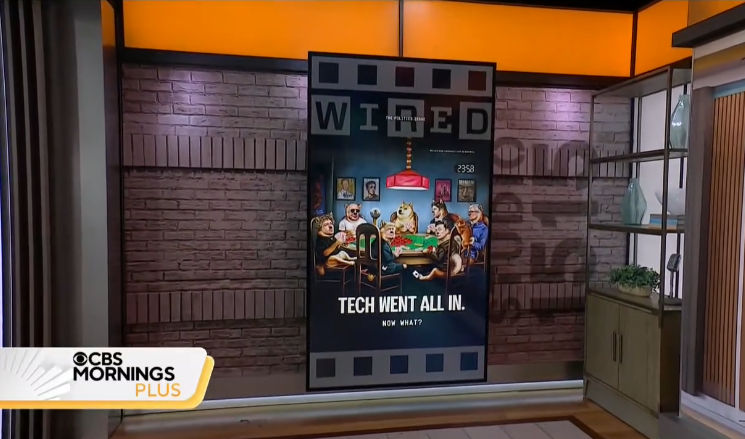
- Wired’s new tactic of expanding its reach across social media has seen a boom in magazine subscriptions.
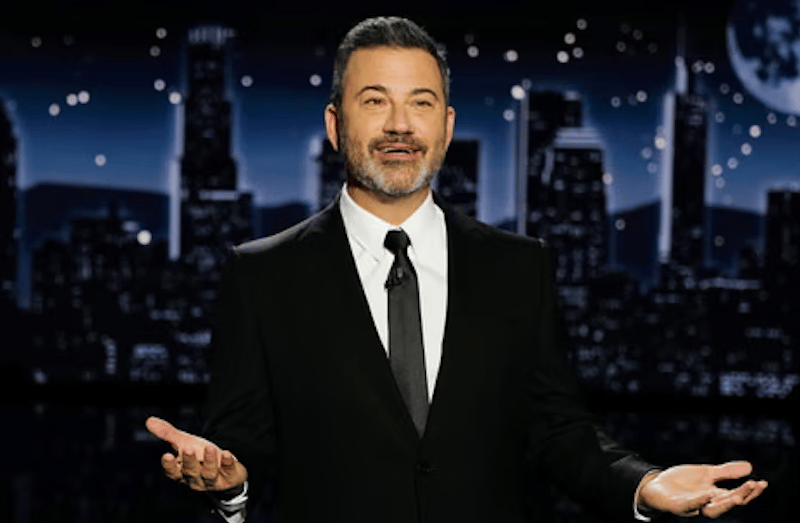
TV stations that refused to air Jimmy Kimmel Live! back down
The one thing you can count on with US media is that money trumps all! With Jimmy Kimmel Live! ratings soaring and pressure mounting from viewers and advertisers, economics ultimately forced Sinclair Broadcast Group and Nexstar Media Group to bring the late-night show back.
The two largest owners of local TV stations in the US will end their boycott of Kimmel’s late night show this week. The boycott left roughly 25% of American viewers unable to watch.
The reversal follows Kimmel’s return from suspension, which drew an average of six million viewers a night for three consecutive days. His YouTube monologues also pulled similar numbers, attributed in part to audiences blocked by the blackout.
Sinclair and Nexstar, both conservative-leaning, were instrumental in getting Kimmel off air by pre-empting the show following his remarks that followed Charlie Kirk’s assassination. The former had pushed for an apology and a donation to Charlie Kirk’s Turning Point USA, which ABC and Kimmel rejected.

TikTok’s US ownership change could shake up news coverage
The Trump administration’s latest move to shift TikTok’s US operations out of China’s ByteDance control and into the hands of a consortium is raising concerns about media consolidation, particularly around news outlets.
The consortium reportedly includes media mogul Rupert Murdoch, owner of Fox News, the NY Post and Wall Street Journal; Larry Ellison, co-founder of software company Oracle; and his son David Ellison, who is CEO of Paramount Skydance which controls CBS News.
Consolidation of news services already seems to be on the cards for US news services, with Paramount Skydance eyeing a merger with Warner Bros Discovery which owns CNN.
It’s felt that with TikTok’s massive reach of about 170 million US users, the Murdochs and Ellisons could use the platform to amplify their influence over news dissemination.
A report earlier this year revealed that 54% of Americans now say they get their news via social media making it the top source for news, surpassing television. One in five US adults regularly receive news on TikTok, with a strong hold on younger audiences.
Funny TV ads on the decline
We all enjoy humorous ads, right? However the number of funny TV ads in the UK has plummeted from 76% in 1990 to just 41% last year.
The Brits have brought us some of the best advertising laugh out loud moments, with research showing humour not only delivers high brand ad recall but also sound ROI. This panel interview by The Drum Live unpacks the principles of comedic advertising, the strategic edge it offers and the cultural risks brands must navigate to stay funny and relevant.
Well worth the read.

Google, Meta and Amazon now controls 56% of the global ad market
Global ad spending is forecast to surge 7.4% this year to US$1.17 trillion, doubling in size since the pandemic by 2027. But growth is being captured almost entirely by digital platforms.
WARC projects that Alphabet, Amazon and Meta will control nearly 56% of the global ad market this year, rising to 60% by decade’s end. It will see nine in 10 new ad dollars going to online-only channels.
Social media remains the largest driver, accounting for over 40% of growth, with Meta dominating but TikTok gaining share. Search advertising and retail media, led by Amazon, also fuel expansion. Meanwhile, traditional media such as TV, newspapers and radio continue to decline in share.
By 2027, the “triopoly” of Amazon, Alphabet and Meta is expected to grow ad revenues by nearly 90%, outpacing all other media owners combined.
Would you pay $10/month for ad-free Facebook?
We’re all about to find out the answer to that question. Meta will introduce an ad-free subscription for Facebook and Instagram users in the UK.
People over 18 can pay £2.99 per month via web or £3.99 on mobile to use the platforms without targeted advertising.
Users can still access the services for free with personalised ads and subscriber data will not be used for advertising purposes.
The move has been welcomed by the Information Commissioner’s Office (ICO). It follows legal pressure over Meta’s use of personal data for targeted ads. It aims to give users meaningful choice and transparency under UK GDPR rules.
The ICO noted the subscription price is about half that charged in the EU and will monitor the rollout to ensure consumers can consent freely.
Instagram hits three billion users
Instagram has reached three billion monthly active users worldwide, cementing its position as Meta’s most popular app, growing by one billion users since 2022. Once a photo-sharing platform, Instagram has evolved into a hub for short-form video and social shopping.
To build on this momentum, Instagram will test new features such as user-controlled algorithm “tuning,” a redesigned navigation bar and trials in South Korea and India that allow Reels to be set as the app’s default feed.
Wired’s strategy drives magazine subscription boom
Wired magazine is experiencing a resurgence in audience engagement and paid subscriptions by promoting its journalists as social influencers and public-facing talent. Under global editorial director Katie Drummond, the magazine has just launched a marketing campaign and revamped its video strategy to spotlight reporters across platforms like TikTok, YouTube and Instagram resulting in dramatic spikes in views and interaction.
This approach has not only boosted Wired’s visibility but also driven a 94% year-over-year increase in new subscriptions, even after raising prices. By expanding live events, multi-media content and a renewed emphasis on brand value, Wired is proving how traditional media can thrive by leveraging its newsroom talent and expanding its presence through multiple social platforms to drive revenue.