Media expert Antony Young rounds up media news from beyond Aotearoa in a regular column for StopPress. This week, the expansion of streaming TV, top CBS execs resign in defiance of Trump lawsuit and Australian broadcasters push for more hours to advertise alcohol.
Streaming TV now accounts for 44% of US TV viewing
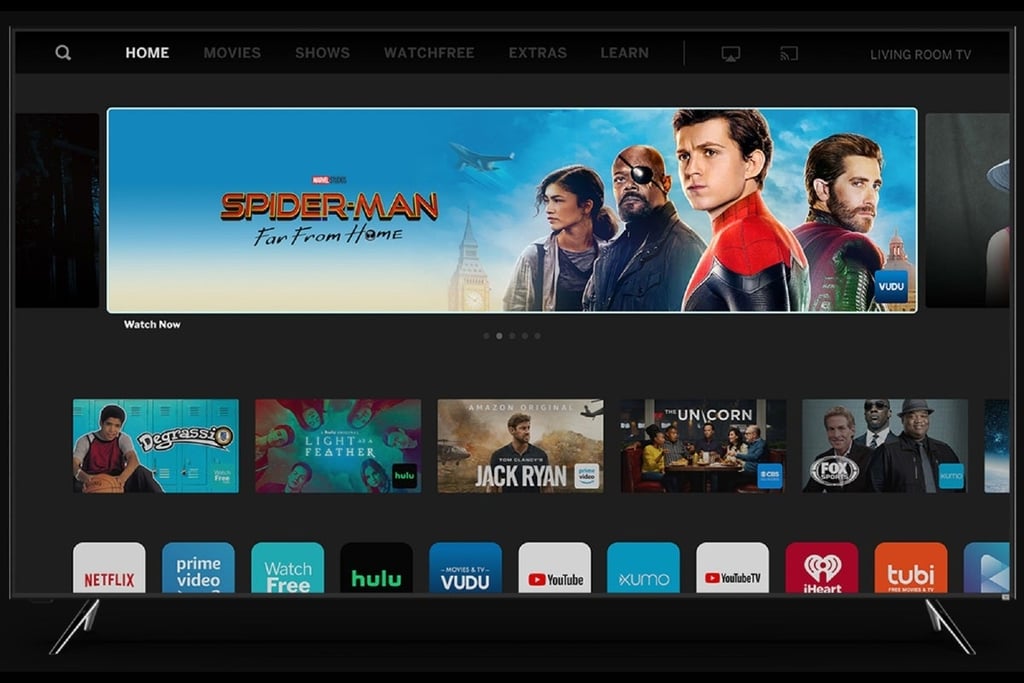
Connected TV (CTV) is rapidly reshaping the advertising landscape as streaming sees it quickly expand as a global TV viewing habit. As of March 2025, streaming accounts for 43.8% of U.S. TV time, with ad-supported platforms (AVOD) gaining popularity amid subscription fatigue. Consumers are increasingly drawn to affordable, ad-supported content, making CTV an essential channel for marketers.
According to Nielsen, 72.4% of U.S. TV viewing is ad-supported, and streaming comprises 42.4% of that. In response, 56% of global marketers plan to increase their SVOD/BVOD ad spend in 2025, reflecting steady year-over-year growth — especially in the Americas.
Top CBS execs resign in defiance to Trump lawsuit
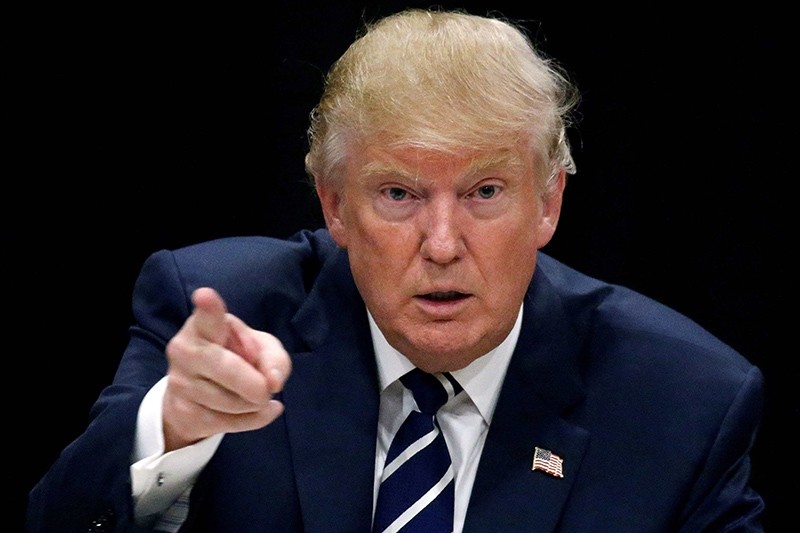
In a rare act of professional integrity, CBS News president Wendy McMahon and “60 Minutes” executive producer Bill Owens resigned rather than comply with a reported settlement condition requiring CBS News to apologise for a minor edit in a Kamala Harris interview — a move tied to a meritless $20 billion lawsuit from Donald Trump.
Though legal experts believe the lawsuit lacks merit, Paramount, CBS’s parent company, appears willing to settle to smooth a merger with Skydance Media. McMahon and Owens, both at the height of their careers, chose to leave rather than compromise journalistic ethics.
Food companies will get to advertise brand in UK junk food ad ban
The UK government has confirmed that brand advertising will be exempt from the upcoming ban on junk food ads, meaning companies like McDonald’s and Coca-Cola can continue to advertise their brands—just not specific high fat, salt, and sugar (HFSS) products—on TV and online. While the ban aims to reduce children’s exposure to unhealthy food marketing, the exemption gives brands legal clarity and flexibility to adjust their messaging. The legislation, now delayed until January 2026, has been welcomed by advertisers and trade groups.
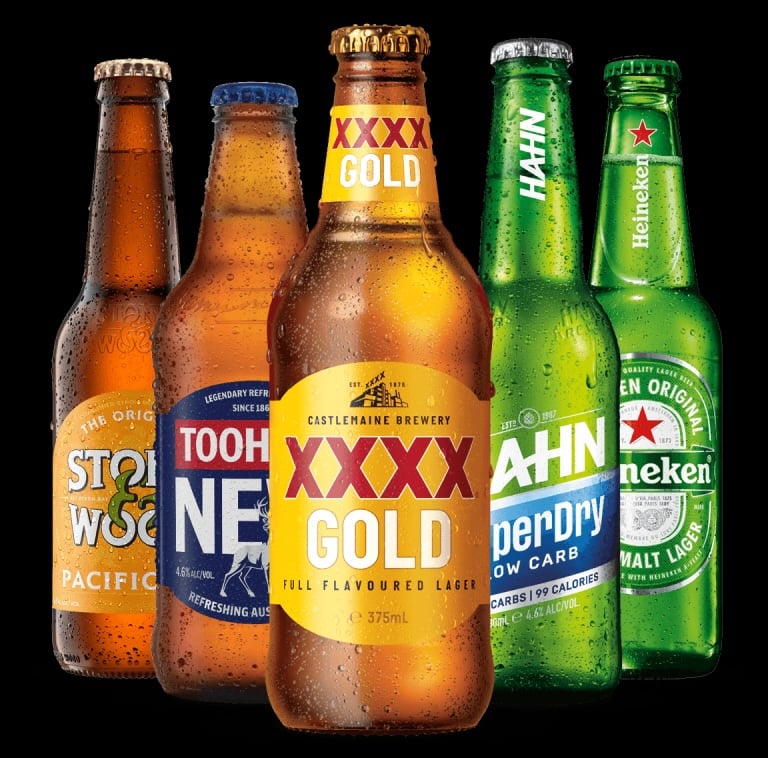
Meanwhile, Australians wouldn’t give a XXXX about advertising to youths
Free-to-air broadcasters in Australia are pushing for changes to TV classification rules that would allow an additional 800 hours of alcohol advertising annually, despite concerns about children’s exposure to such ads. Under a current loophole, alcohol ads are permitted during televised sports, even during children’s viewing hours.
A revised code being considered by the Australian Communications and Media Authority (Acma) would not close this loophole but instead expand M-rated programming hours from 10am to 3pm daily, increasing the window for alcohol ads — regardless of school holidays or weekends.
A study by the Foundation for Alcohol Research and Education (Fare) found that 70% of Australian teens aged 15–17 recalled seeing alcohol ads in the past month, with television as the primary source.
That age old problem in the ad industry
Despite 83% of global executives valuing multigenerational teams, few have implemented inclusive hiring practices. A new IPA report, Time for some new “Age Thinking”, reveals that only 8% of UK advertising agency staff are over 51, compared to 33% in the general workforce, highlighting a serious age imbalance in the industry. In fact, most people over the age of 45 and working in advertising are freelancers.
The report shows rising redundancy rates, especially in media agencies, and outlines how gender and ethnicity worsen age-related bias e.g., a young white man is significantly more likely to get an interview than a 50-year-old Black woman.
Apple still the world’s most valuable brand
Apple has been named the world’s most valuable brand for the fourth consecutive year in Kantar’s 2025 BrandZ Global Report, with a brand value of $1.3 trillion—a 28% year-over-year increase. The report, which draws on data from 4.5 million consumers across 54 markets, shows the top 100 brands now hold a combined value of $10.7 trillion.
Tech giants dominate the rankings, with Apple followed by Google, Microsoft, Amazon, and Nvidia, while AI-driven brands like ChatGPT and disruptors like Stripe and Spotify made notable gains. Disruptive companies now represent 71% of total brand value, though legacy brands like Coca-Cola and Louis Vuitton continue to hold strong. You can access the report here.
“You’re deported!!” Reality TV show to pick a US citizen
US reality television continues to reach new lows but apparently the US Department of Homeland Security is considering participating in a TV show in which potential immigrants would compete for US citizenship. Department spokesperson Tricia McLaughlin confirmed that the proposed show was in early stages of a vetting process. The show, titled “The American,” is being pitched by Rob Worsoff, a former producer and writer of Duck Dynasty. The eventual winner of the show will be sworn in as an American citizen on the steps of the US Capital building. Enough said!