
Media expert Antony Young rounds up media news from beyond Aotearoa in a regular column for StopPress.
This week:
- Meta faces an antitrust trial amid claims that it monopolises the personal social networking market and stifles competition
- The EU plans to impose a tariff on digital ad services in response to US tariffs on EU goods
- NBC launches On Brand with Jimmy Fallon, bringing marketing to primetime with a behind-the-scenes look at modern advertising
- AB InBev’s TaDa platform reimagines digital ad retargeting, using generative AI to turn abandoned carts into personalised, creative videos
- A US judge finds Google guilty of monopolising the online display ad market, with the outcome potentially reshaping global ad tech regulations
- UK marketing budgets decline for the first time in four years, hitting main media hardest
- Netflix’s success with British shows sparks fears for the future of local storytelling
Meta faces trial over monopoly claims
The U.S. Federal Trade Commission (FTC) has launched a high-stakes antitrust trial against Meta.
The trial aims to force the tech giant to divest Instagram and WhatsApp. This move stems from claims that Meta monopolises the personal social networking market.
The FTC alleges that Meta’s acquisitions have stifled competition.
They argue it gives the company an unfair advantage, especially with Instagram expected to generate around 50% of Meta’s U.S. ad revenue in 2025.
Meta counters by highlighting a competitive landscape, pointing out that users freely switch between platforms such as TikTok and Instagram.
A ruling in favour of the FTC could lead to a landmark breakup of Meta’s business and significantly reshape the global tech sector.
For New Zealand, the breakup would increase costs for brands and agencies. They would lose the ability to run unified campaigns across Meta’s platforms. The disruption would also complicate audience targeting and cross-platform analytics.
EU threatens tariffs on US media ads
According to the Financial Times (FT), the European Union is considering an unprecedented move to impose a tariff on digital advertising services.
The tariff would target tech giants such as Google and Meta if trade negotiations with Donald Trump’s administration fail.
European commission president Ursula von der Leyen told the FT that in response to renewed US tariffs on EU goods, the bloc may take further action.
She said the EU may extend retaliatory measures to the services sector, specifically by levying a charge on advertising revenues generated within the single market.
This marks a potential shift in trade policy, as tariffs are traditionally applied to physical goods, not services.
80% of digital services consumed in the EU originate from US firms.
Jimmy Fallon to launch ‘The Apprentice’ for marketers
NBC is bringing marketing to primetime with On Brand with Jimmy Fallon. The show is a new reality competition series that puts creative talent to the test.
Hosted by Fallon and featuring marketing executive Bozoma Saint John as CMO, it will follow contestants as they pitch real campaigns to brands such as Captain Morgan, Dunkin’, Samsung and Southwest Airlines.
Part The Apprentice, part creative boot camp, each episode challenges contestants to write jingles, produce ads and design activations. The winning ideas could potentially hit the national stage.
The series promises a behind-the-scenes look at how big-brand campaigns come to life. This way, it offers audiences and marketers a front-row seat to the high-stakes, high-creativity world of modern advertising.
Budweiser turns your abandoned cart into a hilarious alternate reality
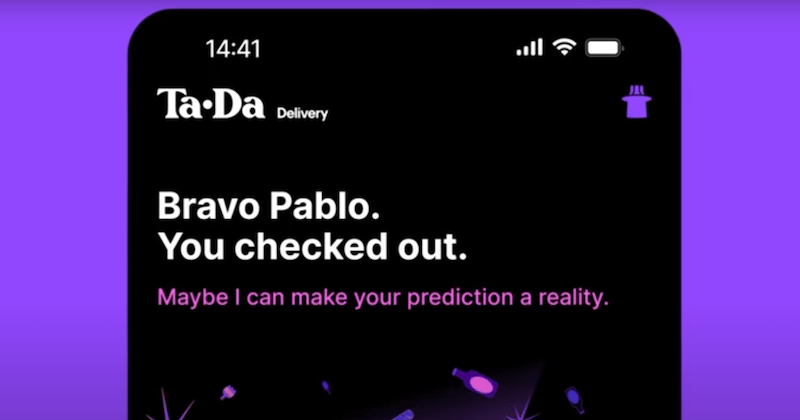
I’m geeking out on this fun approach to digital advertising retargeting. AB InBev’s e-commerce platform TaDa – which sells brands such as Budweiser, Corona and Becks – has reimagined retargeting thanks to some clever AI.
Their campaign uses generative AI to turn abandoned carts into personalised, wacky videos.
Each video imagines an alternate reality based on what the shopper could have experienced – if they had completed their purchase.
By drawing on user data like name, location and cart items, the campaign crafts unique scripts, visuals and narration. These are then sent to users via SMS, email, WhatsApp and app push notifications.
The result is a unique retargeting video ad experience that consumers might actually enjoy, rather than feel stalked by!
The campaign is launching in Mexico before expanding to other markets.
Google found guilty of ad tech monopoly
A US federal judge has ruled that Google illegally monopolised key parts of the online display advertising market, harming publishers and consumers.
The decision, issued by Judge Leonie Brinkema in Virginia, found that Google tied its publisher ad server (DFP) to its ad exchange.
This setup gave Google more than 90% market share in the open-web display ad space, disadvantaging news publishers and reducing competition.
The ruling stems from a 2023 lawsuit by the US Justice Department and state attorneys general.
They accused Google of manipulating the ad tech ecosystem through acquisitions such as DoubleClick and AdMeld.
While the judge stopped short of ordering divestitures, she affirmed that Google’s dominance stifled competition and damaged the open web.
Google plans to appeal. The outcome could influence global digital ad tech regulations.
In New Zealand, where local publishers rely on competitive access to ad revenue streams, any changes could have a direct impact.
UK marketing budgets just dropped for the first time in 4 years
In Q1 2025, UK marketing budgets declined for the first time in 4 years. According to the IPA Bellwether Report, a net balance of -4.8% of firms reduced their spending.
The drop – attributed to reduced sales and economic uncertainty – hit main media (-6.7%) and out of home channels (-18.9%) hardest. Meanwhile, direct marketing (+9%), events (+5.4%) and sales promotions (+8%) saw growth.
Financial confidence continues to erode, with sentiment toward company and industry outlooks falling sharply.
Netflix’s hit UK shows raise concerns about the future of British storytelling
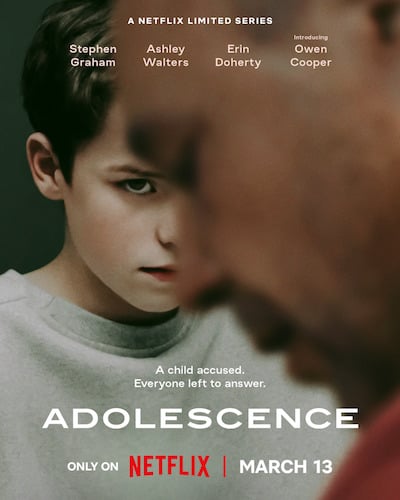
Netflix’s success with British shows like Adolescence and Toxic Town – both written by Jack Thorne and focused on working-class UK stories – has reignited debate over the future of British TV drama.
While these acclaimed series highlight the platform’s reach, industry leaders warn that public broadcasters like the BBC, ITV and Channel 4 can no longer afford to produce such high-end dramas.
This has led to calls for a “Netflix tax” to fund UK-made programming.
Without action, there’s concern that British stories with social impact will be squeezed out by globally appealing content, eroding diversity, public service storytelling and the future of the industry.