Media expert Antony Young rounds up media news from beyond Aotearoa in a regular column for StopPress.
This week:
- American Eagle’s new denim campaign featuring Sydney Sweeney has ignited a storm of controversy but boosted its stock.
- Unilever has decided to allocate 50% of its global ad spend to influencer marketing, triggering a surge in influencer rates, which have jumped by up to 30%.
- Electronic shelf labels are transforming grocery stores in Europe and increasingly in the US, allowing for real-time price changes.
- Fllowing Hulk Hogan’s death on July 24, the Real American Beer brand he co-founded has seen a surge in demand.
- According to a new survey of 3,000 Americans, higher-income consumers are increasing their fast-food consumption, while those with lower incomes are cutting back.
- Meta has announced it will suspend all political, electoral and social issue ads across its platforms in the EU starting October 2025.
Controversial Sydney Sweeney Ad help boosts American Eagle’s stock
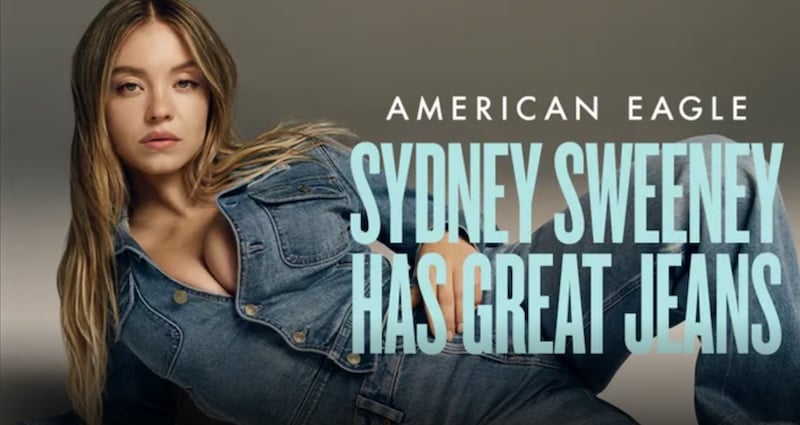
In case you missed it, American Eagle’s new denim campaign featuring Sydney Sweeney has ignited a storm of controversy, but boosted its stock.
Playing on the pun “great genes/jeans,” the ads spotlight Sweeney’s blonde, blue-eyed image, drawing backlash for perceived undertones of genetic idealism and cultural insensitivity in an era of political tension.
Critics argue the campaign alienates Gen Z audiences and lacks cultural awareness. Conservative defenders call it harmless wordplay. [On that, watch this hilarious take on The Daily Show.] Despite the uproar, American Eagle’s share price has jumped 18%.
Marketing guru Mark Ritson defended the campaign, writing on LinkedIn: “Nothing in this ad runs against American Eagle’s brand positioning. The crisis about to emerge is coming from external narratives, not internal errors… whatever the company loses in sales from a few super radical trendies, it will surely win a hundredfold back from consumers who don’t care… but who are suddenly aware and readily salient for a brand that they never thought of before.”
Influencers are getting a pay raise thanks to Unilever
If your teenager tells you they want to be a influencer here’s some news for you!
Unilever’s decision to allocate 50% of its global ad spend to influencer marketing has triggered a surge in influencer rates, jumping by up to 30%. The move has legitimised the channel at board level, encouraging marketers to treat influencers not as an add-on but as a core strategic asset – often involving them in multi-market rollouts and long-term partnerships.
This shift is also empowering micro and specialist creators to command higher fees, while prompting a rise in UGC and content creators acting as consultants.
Concerns of dynamic pricing being introduced into supermarkets
Electronic shelf labels are transforming grocery stores in Europe and increasingly in the US, allowing real-time price changes – sometimes over 100 times a day, as seen at Norway’s REMA 1000 stores.
Retailers use these systems to stay competitive, cut food waste and reduce labour, but they’ve sparked fears in the US of potential “surge pricing” during peak demand times.
Lawmakers and consumers worry prices could rise dynamically, like ride-share or ticketing platforms. However, major US chains like Kroger, Whole Foods, Lidl and Walmart insist they’re using the technology to improve efficiency, not exploit shoppers.
Drink up Hulk Hogan fans
When Elvis died in 1977, fans rushed to grab his records and memorabilia, proving that death can be a boost to brand.
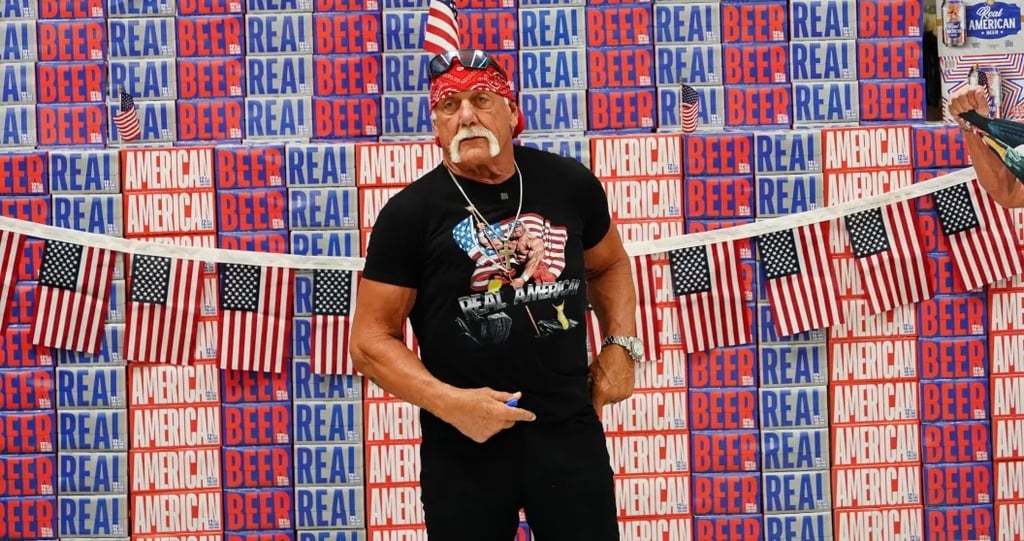
Now, Hulk Hogan seems to be body-slamming his way into the same posthumous sales spike. According to Ad Age following his death on July 24, the Real American Beer brand he co-founded has seen a surge in demand.
Walmart shelves are nearly wiped clean and distributors are scrambling for restocks. While some remember Hogan for wrestling glory (and other less flattering headlines), the beer he helped build as an alternative to switched off Bud Light drinkers was drenched in patriotic swagger and nostalgia. A fitting toast to Hulkamania as he heads off into the big ring in the sky.
Fast (but not cheap) food
Once seen as cheap and cheerful, fast food is morphing into a “micro-indulgence” for millennials and Gen Zers.
According to a new survey of 3,000 Americans, higher-income consumers (those earning over $100K) are actually increasing their fast-food consumption, with 28% saying they eat more now than a year ago.
Meanwhile, lower-income consumers are cutting back, with 40% of those making under $50K saying they’re dialing down their burger runs.
Zappi’s CMO commented that fast food’s winners will be those who make “guilty pleasures” feel like gourmet ones – without the guilt trip on the price tag.
Meta to suspend political ads in the EU
In a story that to me has fallen under the radar, Meta has announced it will suspend all political, electoral and social issue ads across its platforms in the EU starting October 2025, citing the region’s upcoming Transparency and Targeting of Political Advertising (TTPA) regulation.
The TTPA mandates strict transparency around ad targeting and funding, requires explicit user consent for data use, and bans foreign-sponsored political ads ahead of elections.
Meta says these new obligations add excessive complexity and legal uncertainty, making compliance untenable. The company argues the rules undermine personalised advertising and could lead to less relevant content for users.