There is a shift under way in the world of experience design, and it’s not about AI, says Digitas head of content Chris Brunner. After years of stripped-back conformity, digital products are becoming playgrounds of brand expression – and as well as playtime for designers, it’s prompting brands to rethink customer experiences.
In his opening address at Figma’s annual conference Config in May, CEO Dylan Field said: “In a world where AI makes it easier than ever to build software, design is becoming more essential and more powerful. It’s craft, quality, point of view that makes a product stand out and be loved.”
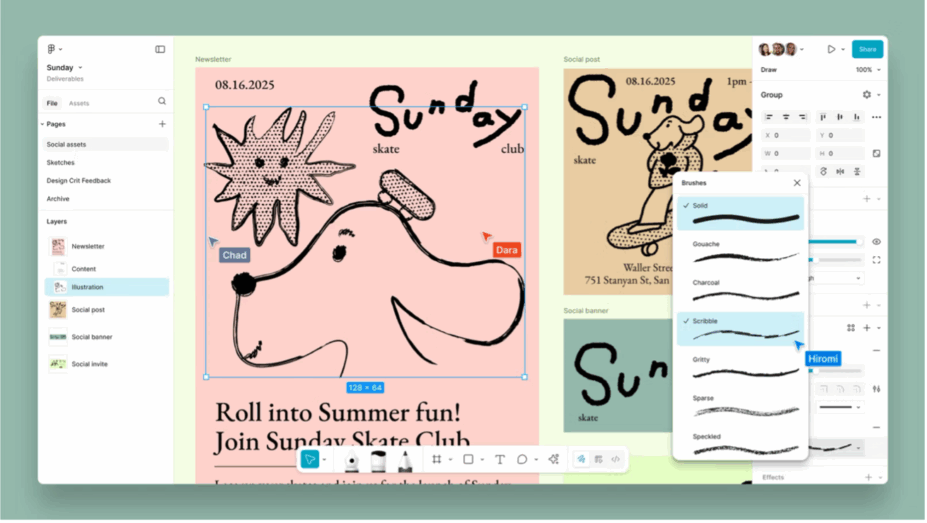
At the conference, Figma released new tools for designers to bring hand-drawn, freeform and textured designs into everyday experiences.
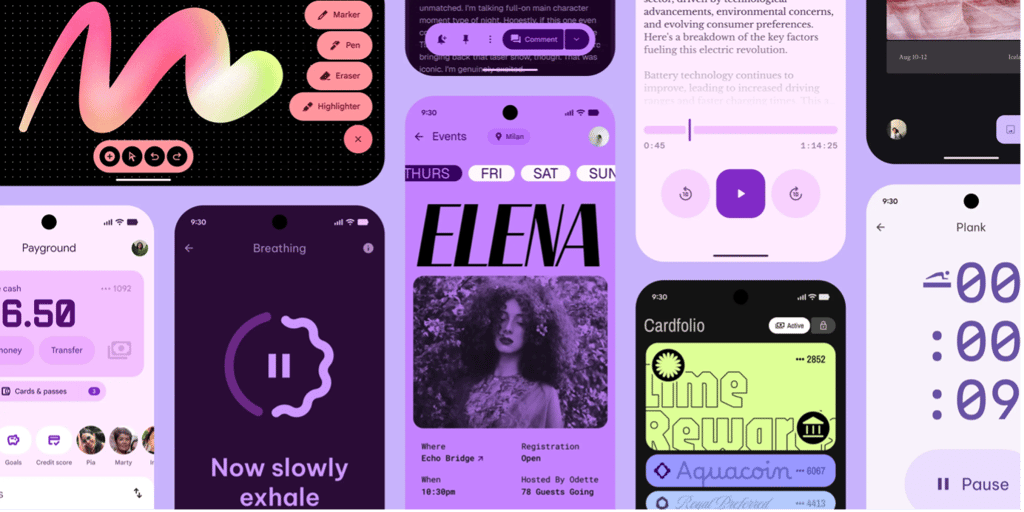
At almost the same time, Google released Material Design 3 Expressive, an update to the design system used to create Android products. Google defines expressive design as making you feel something: “It inspires emotion, communicates function, and helps users achieve their goals”.
As anxiety runs high over AI’s erosion of human creativity, it appears AI could be the tool that better connects the fluidity of human craft to the rigidity of digital systems.
It’s moving on from an era defined by same-same experiences. Where brands stripped off their identities in the spaces where it matters most: their owned customer experiences, relying on above-the-line creativity to differentiate and define them.
I’m not crying, you’re crying
Emotional design has long been part of UX thinking – influencing perception, memory and behaviour. But many brands abandon emotion the moment customers enter owned channels.
Misunderstood ideas of experience design had us fall back to function, structured information and locked-in patterns. Walls went up between brand and product teams, dividing how brands meet emotional and rational needs. While function remains foundational, could this be a new era where brand drives the emotional renaissance of below-the-line experiences?

Expression isn’t about injecting ‘surprise and delight’, it’s a more intentional, consistent brand presence that delivers resonance. Expression should never come at the cost of accessibility. The Material 3 guidelines point out that highlighting the important bits of an interface guides users and reduces distraction.
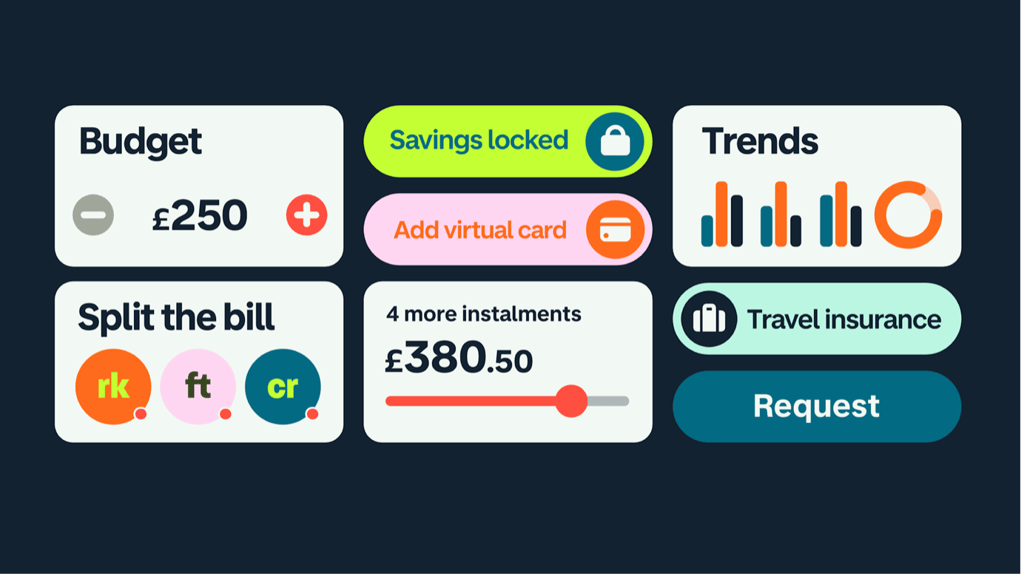
Monzo, the UK neobank, demonstrates this with exaggerated UI elements. Spotify has heightened expression in other ways, focusing on signature moments like Spotify Wrapped to turn up emotional volume in a highly personalised space.
Digital disruptors built their brands on the strength of their products and by default, their products came with brand built in. Those with a legacy rushed to digitise services, leaving their brand in the analog world.
Wait, is this just some Gen Z trend?
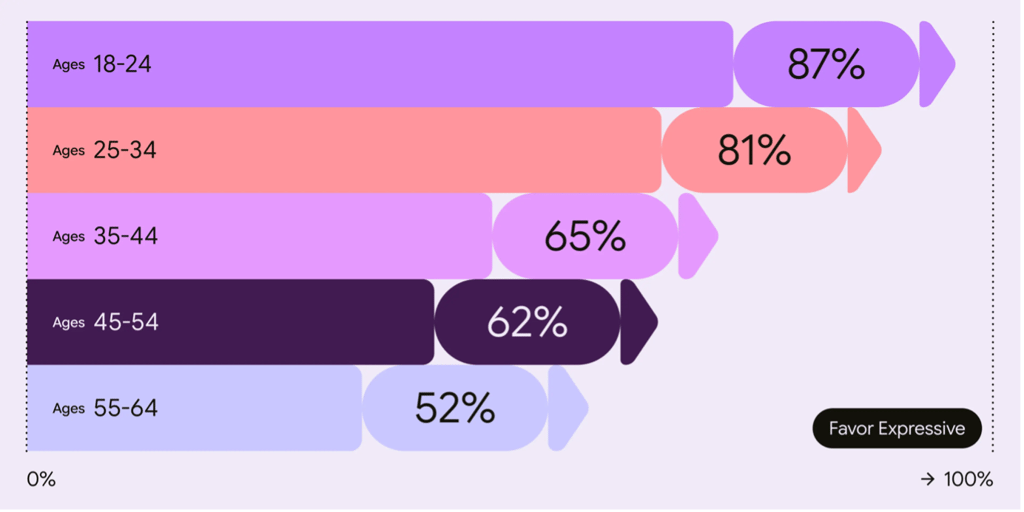
The aesthetic of Gen Z and Gen Alpha is arguably more expressive than my Millennial roots, but expressive design resonates across generations.
Google conducted global research with over 18,000 participants which found all age-based demographics prefer expressive design, though the uptake is considerably more pronounced in the youngest age groups.
It’s food for thought. Many brands are splitting their identities, focusing expression on growth audiences like Gen Z, assuming anyone over 35 is happy with the status quo.
Brands: it’s time to express yourself
The pendulum is in motion. Expression isn’t eye candy. It moves customers and drives interactions that convert. So how can brands embrace the new era of expressive design to enhance customer experience?
- Identify the experiences to elevate
Every customer touchpoint is an opportunity to make a connection. It’s not about overplaying your hand or hamming it up. It’s about designing for the emotional stakes of the moment. If you know what you want them do, pinpoint how you want them to feel.
- Design with words
Words are the scaffolds of experience, and they’re a low-risk, low-cost way to lift resonance. As Michael Metts and Andy Welfle titled their book in 2020: Writing is designing. Use the spectrum of your tone of voice to meet customers in channel and strike the right tone.
- Think through-the-line brand building
Brands are built on an emotional foundation, brand people and advertising creatives know this well. Look to them for the emotional pillars of brand that customer channels can inherit. But don’t simply pull messaging and tone into customer channels. Design from the inside out for the brand experiences you want, and customers deserve.
As my mother always told me: people don’t always remember what you did, but how you made them feel leaves a lasting impression. Expressive design heralds an exciting era for CX. Which brands will take the opportunity to connect more deeply with their customers?