Get the latest direct to your inbox twice a week. Sign up today. 
The execution trap facing Kiwi retail leaders – iMedia

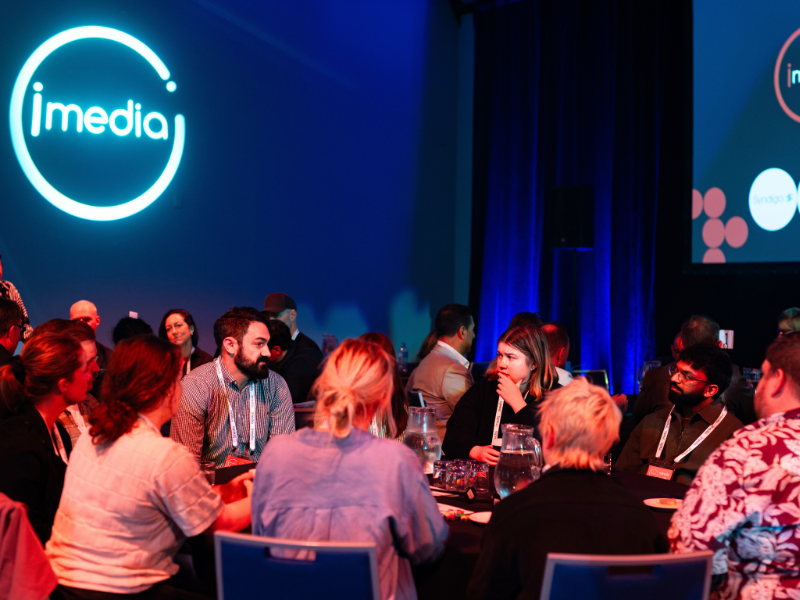
Retailers pressure test real decisions with their peers at the iMedia Retail Summit NZ in May.
New polling from iMedia Summits reveals a growing disconnect in retail leadership. Senior leaders want more time for strategy, innovation and AI maturity, but execution demands and commercial accountability keep them focused on the immediate. Luca Noonan from iMedia’s research and innovation partner Honeycomb Strategy unpacks what this signals for the future of retail.
New Zealand retail is operating in a constrained middle ground. Consumers remain cautious, teams are being asked to move faster but with fewer wasted bets and AI is creating possibilities, while raising questions about capability and human judgment.
At the iMedia Retail Summit NZ in May, these pressures weren’t just topics of conversation; live polling of senior leaders in the room revealed that while they recognise the importance of future-focused work, their day-to-day reality remains anchored in execution.
Retail leaders stuck in delivery mode
Nearly half of leaders polled said they spend most of their time on execution and delivery, yet they want more time for innovation (40%) and strategic planning (38%). The gap is clear: leaders know where future value lies, but current conditions pull them back into operational urgency.
“The data suggests leaders are not short on ambition, but time,” says Honeycomb Strategy head of client service Jason Morris.
“The operating environment is rewarding delivery, responsiveness and commercial proof over deeper thinking time.”
One-third of leaders identified balancing long-term strategy with short-term results as the biggest tension in their role, while 28% pointed to innovation versus operational execution.
Leaders also reported rising pressure to prove commercial impact, which is reshaping decision-making. Innovation is increasingly expected to demonstrate near-term value, making it harder for longer horizon bets to progress.
“There is a higher bar on new ideas,” Morris says. “The challenge is ensuring accountability doesn’t narrow the ambition of what gets funded.”
Commercial discipline is essential in a tight market, but if applied too rigidly it risks optimising existing models, rather than creating space for change.
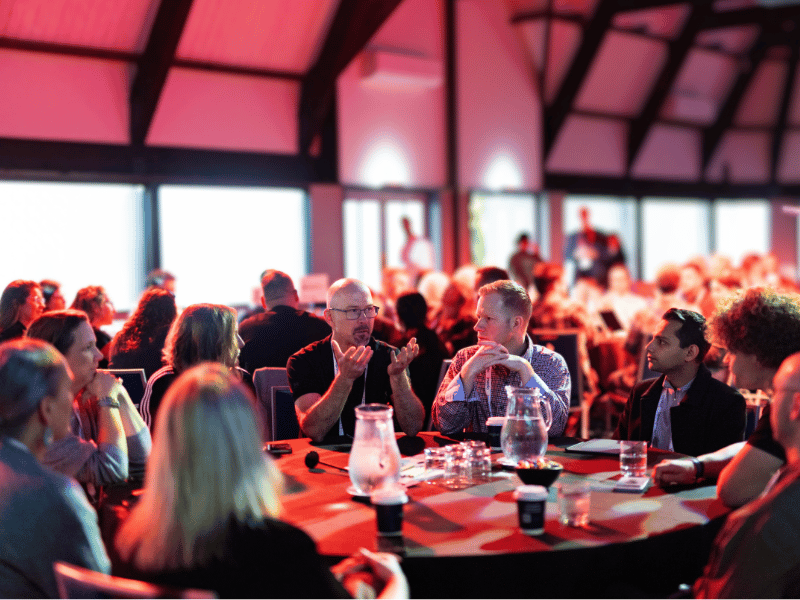
AI as both opportunity and constraint
AI has shifted from an emerging technology conversation to an operating question: where it sits, how it supports decisions and how teams adapt around it.
Used well, AI could reduce execution load and free up leaders to focus on judgment, creativity, culture-building and long-term thinking. However, iMedia polling suggests many New Zealand organisations are not yet there: only 16% say AI is embedded in operations, with most still in pilot or exploration phases.
More than eight in 10 leaders say there are barriers preventing AI from delivering real value to their organisation, particularly lack of operational embedding or clear strategy.
“The challenge isn’t access to AI anymore, it’s adoption. Many organisations have invested in the tools, but not enough in helping people use them. The biggest gains come when AI becomes part of how teams actually work day to day. Where we’ve bridged that gap, we’ve seen significant results,” says Fisher & Paykel appliances GM eCommerce & AI enablement Sarah Lukins.
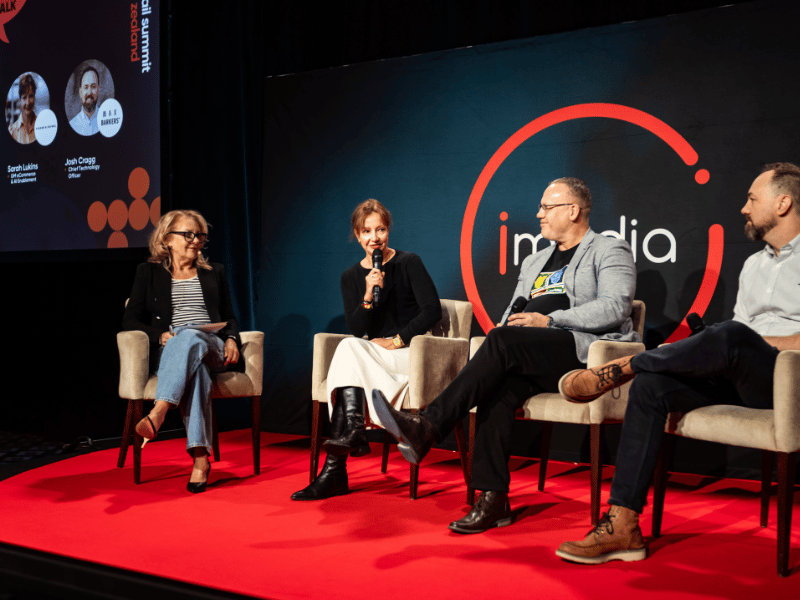
Success starts with where leaders invest their attention
The broader story from the polling is of leaders operating across multiple horizons: protecting margins, driving growth, enabling innovation and governing emerging technology simultaneously.
This is not unique to retail, but it is amplified in New Zealand’s small, competitive market where efficiency and agility are constant expectations.
The challenge now is intentional space-making: creating time for the conversations that sit outside the weekly trading cycle. Where will growth come from next? What capabilities must be built? Where does AI add real value versus incremental efficiency?
That is where forums like iMedia Summits matter. The polling is one output, but the deeper value is in bringing leaders together to pressure-test thinking and share perspectives across the industry.
iMedia Summits managing director Helena Stylman says the findings point to a broader shift in leadership priorities.
“For several years, leaders have been forced into a reactive mindset. What these results suggest is that they now recognise the need to move from managing uncertainty to creating opportunity.”
Ultimately, leaders are clear on what they want: more time building the future. But much of their energy remains consumed by the present. The next leadership advantage may not come from doing more, but from deliberately creating capacity to lead, not just capacity to cope.